
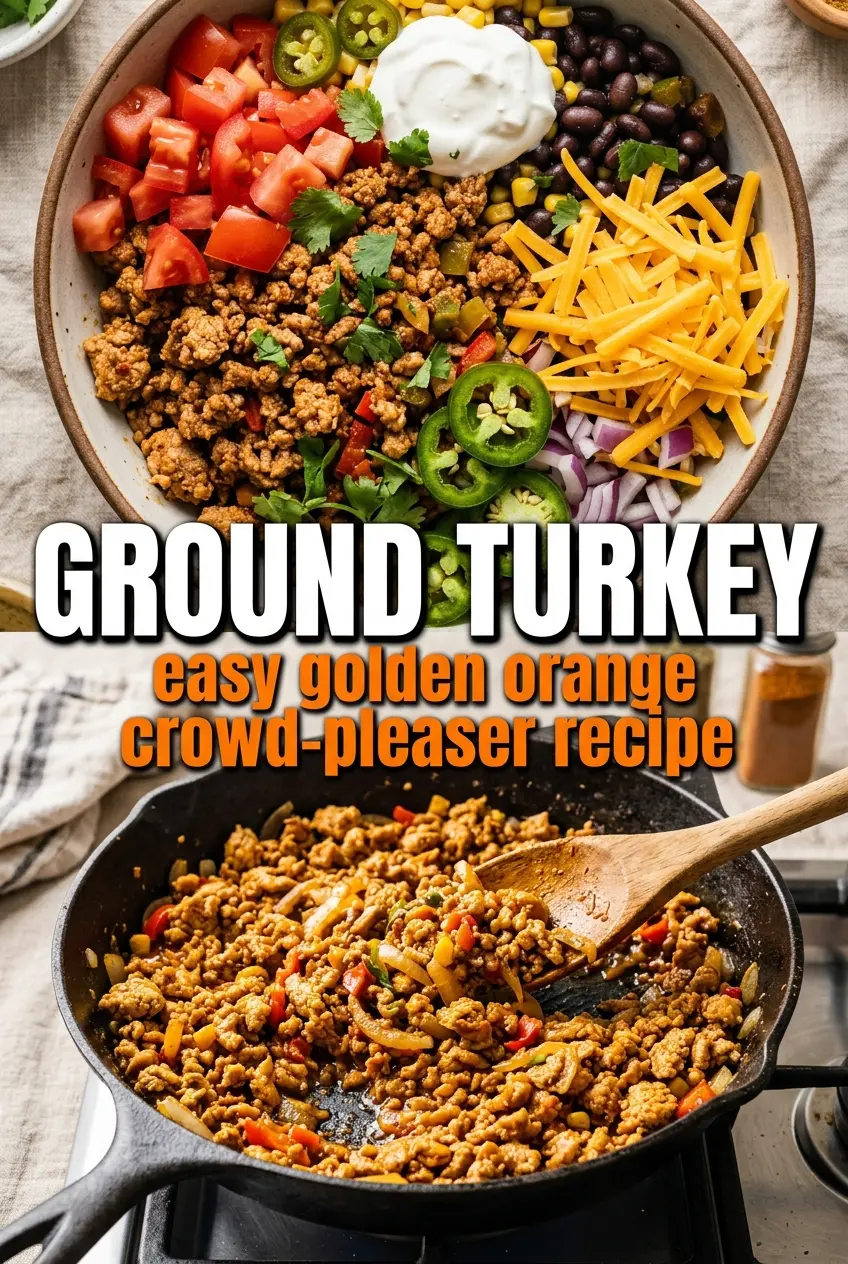
Ground turkey gets a bad reputation when it’s cooked dry, bland, or rushed, but it turns into a deeply savory, weeknight-friendly base when you brown it properly and give it enough seasoning to matter. The best versions are juicy at the edges, aromatic with onions and spices, and flexible enough to move from rice bowls to tacos without tasting like leftovers in disguise.
What makes this version work is the layering. The onions cook until golden first, which gives the pan a sweet, savory foundation before the turkey goes in. Then the meat has room to brown instead of steaming, and the seasoning gets a chance to bloom in the hot fat instead of sitting on the surface. That’s the difference between a skillet full of pale crumbles and one that tastes like you actually cooked it with intention.
Below, I’m walking through the parts that matter most: how to keep ground turkey from tasting flat, which ingredients carry the flavor, and the few small moves that make it useful for meal prep, tacos, pasta, and grain bowls all week.
The onions got golden first and the turkey actually browned instead of turning watery. I served it over rice the first night and used the leftovers in tacos the next day, and the seasoning held up both times.
Keep this ground turkey recipe handy for when you need a fast skillet dinner that browns well and works for tacos, bowls, or pasta.
The Trick to Keeping Ground Turkey Browned Instead of Steamed
Ground turkey can go watery fast if the pan is crowded or the heat is too low. That’s why the first part of the cook matters so much: the onions need time to soften and start caramelizing, but the turkey needs direct contact with the pan so the surface can brown before all the moisture releases. If you stir constantly, you’ll get pale crumbles instead of the deeper, roasted flavor this dish needs.
The other mistake is seasoning too late. Turkey doesn’t have much fat or inherent flavor, so the spices need to hit the hot pan early enough to toast in the oil and onion drippings. That’s what gives you that savory, slightly smoky finish instead of a meat mixture that tastes like it was salted at the end and not much else.
- Ground turkey — Lean ground turkey works, but 93% lean usually gives you better flavor and a less chalky texture than extra-lean turkey breast. If you use a very lean package, add a little more oil during browning.
- Onions — Yellow onions are the best all-purpose choice here because they soften and sweeten without disappearing. Red onions work too, but they’ll give the dish a sharper edge.
- Smoky spices — Smoked paprika, cumin, chili powder, or a similar blend gives the turkey the backbone it needs. Fresh spices matter more than usual here because old spices can make lean meat taste flat.
- Olive oil or neutral oil — You need enough fat to keep the turkey from sticking and to carry the spices across the pan. If the pan looks dry before the meat has browned, add another splash.
Building the Flavor in the Skillet, Not at the End
Cooking the Onions Until They Turn Sweet
Start the onions first and let them cook until they’re soft at the edges and taking on color. You’re not looking for deep caramelization here, just enough golden color to build a savory base. If you rush this part, the whole dish tastes flatter because the turkey starts from raw oil instead of seasoned fond.
Browning the Turkey in an Open Layer
Add the ground turkey and press it into the pan long enough to get contact before breaking it up. Let it sit for a minute or two so the bottom has a chance to brown. If the pan is packed too full, the turkey will steam and turn gray before it develops that meaty, browned flavor.
Toast the Spices in the Fat
Once the turkey is mostly cooked, add the seasoning and stir it through the hot meat. The spices should smell fragrant almost immediately. If they smell raw or dusty, give them another minute in the pan before adding any liquid or finishing ingredients.
Finish with the Last Taste Check
Taste the turkey while it’s still hot and adjust the salt or spice level before serving. This is the point where you can fix a dish that tastes a little one-note. A small pinch more salt or a tiny splash of acid wakes up the whole pan and makes the flavors taste finished instead of just cooked.
What to Change When You Want a Different Dinner
Make It Gluten-Free Without Losing Anything
This dish is naturally easy to keep gluten-free as long as your spice blend and any broth or sauce additions are certified gluten-free. The texture and flavor stay the same, so this is one of the simplest swaps to make without changing the way the skillet cooks.
Use It for Tacos, but Keep the Pan Dry
For tacos, keep the turkey mixture on the drier side so it doesn’t drip through the tortillas. A little extra cumin and chili powder works well here, and a squeeze of lime at the end gives the filling the sharp finish it needs.
Add Veggies for a Bigger Skillet
Bell peppers, zucchini, or chopped mushrooms can stretch the meal without making it feel heavy. Cook the vegetables first if they release a lot of moisture, or the turkey will struggle to brown. You’ll end up with a fuller pan and a softer texture.
Storage and Reheating
- Refrigerator: Store in an airtight container for up to 4 days. The flavor gets a little deeper overnight, though the turkey may firm up slightly as it chills.
- Freezer: It freezes well for up to 2 months. Cool it completely first, then pack it flat in a freezer bag or sealed container so it thaws evenly.
- Reheating: Warm it in a skillet over medium-low heat with a splash of water or broth. The biggest mistake is blasting it in the microwave until the turkey turns dry and tight.
Questions I Get Asked About This Recipe
Ground Turkeys
Ingredients
Equipment
Method
- Heat olive oil in a cast iron skillet over medium-high heat until shimmering. Add sliced yellow onions and cook 8-12 minutes, stirring occasionally, until deep golden and caramelized.
- Add minced garlic and cook 30-60 seconds, stirring constantly, until fragrant.
- Add ground turkey to the skillet and cook 6-10 minutes, breaking it up as it browns. Continue cooking until the meat is deeply browned with crisped edges.
- Sprinkle in smoked paprika, ground cumin, chili powder, salt, and black pepper, then stir and cook 1-2 minutes to toast the spices.
- Stir in tomato paste and cook 1-2 minutes, scraping the bottom of the pan until it darkens slightly. Add soy sauce and chicken broth and simmer 3-5 minutes until the liquid reduces to a glossy coating.
- Taste and adjust seasoning with more salt and pepper if needed, then turn off the heat. Serve hot over rice, pasta, or in tacos.