
A good charcuterie board has a way of making a table feel finished before the first glass is poured. The best ones aren’t crowded with random extras; they’re built with enough contrast that every bite can go in a different direction. Salty salami, creamy brie, crisp crackers, sweet grapes, and a few sharp or tangy accents give you that mix of textures people keep circling back to.
What makes this version work is the balance. Too much cured meat and it eats heavy. Too many soft cheeses and everything turns muddy. A proper board needs gaps, different shapes, and a few high-impact pieces that break up the richness. I like to think about it as assembling little combinations, not just laying out ingredients.
Below, you’ll find the simple way I build one so it looks generous without becoming chaotic, plus a few practical swaps for different budgets and diets. The trick is less about following a rigid formula and more about choosing items that play well together once they’re on the board.
The brie stayed creamy, the salami didn’t slide all over the place, and the grapes made the whole board taste fresh instead of heavy. I put this out before dinner and people kept coming back to snack on it.
Love the balance of salty salami, creamy brie, and sweet grapes? Save this charcuterie board for your next gathering when you want an effortless spread that looks abundant and eats even better.
The Difference Between a Pretty Board and One People Actually Eat From
A charcuterie board fails when it looks styled instead of built. If every piece is the same texture or the same color family, people eat a couple of bites and wander off. The board needs contrast you can taste immediately: salt against sweet, cream against crunch, rich cheese against something sharp or acidic.
The other mistake is overpacking. When every inch is covered, the board stops feeling inviting and starts feeling fussy. Leave space for the eye to rest and for guests to see where one food ends and another begins. That open space also keeps crackers crisp and makes the whole spread easier to serve from.
One more thing matters here: variety should be intentional, not random. Every item should earn its place by changing the experience of the bite. That’s how you end up with a board people keep returning to instead of just admiring from across the room.
What Each Ingredient Is Actually Doing in This Board
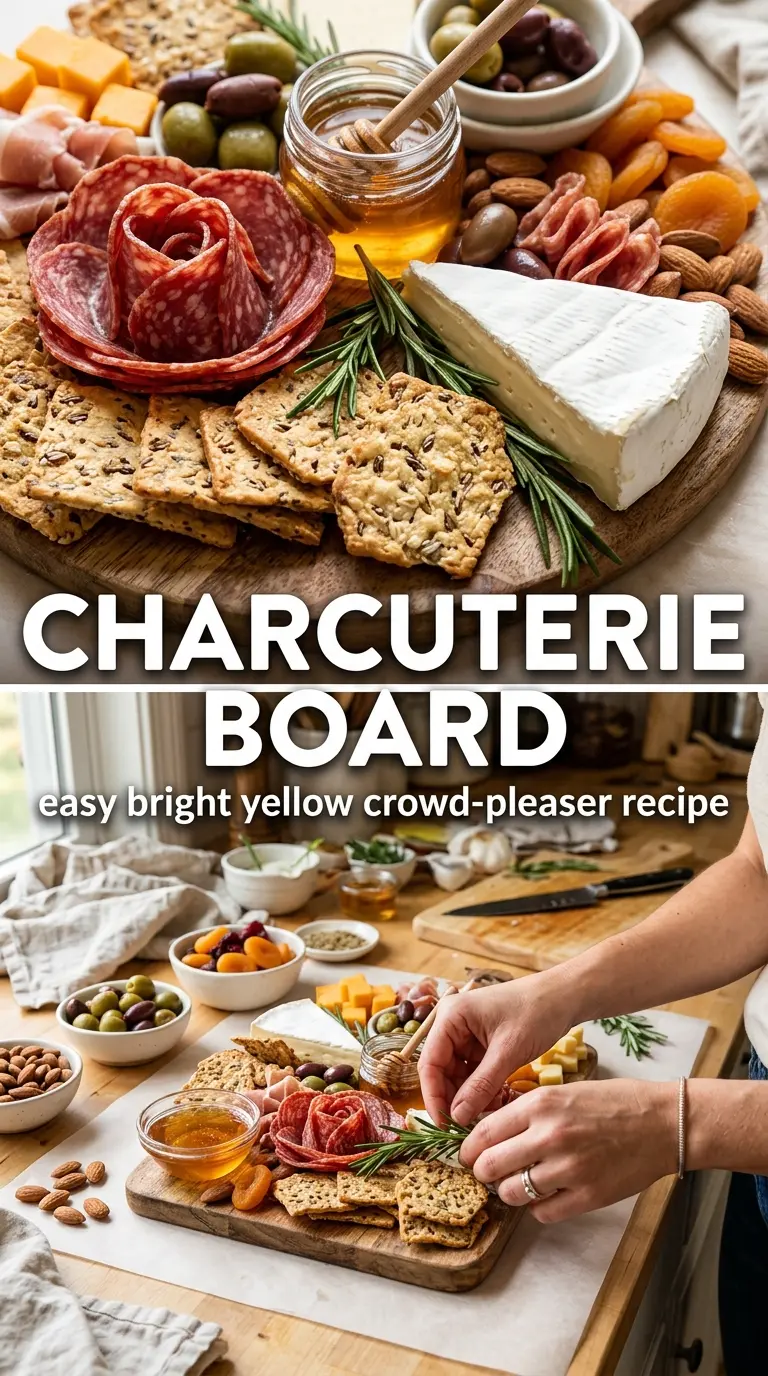
- Salami — This is the anchor. Its salt and fat give the board heft, and the folded or rolled shape adds movement so the platter doesn’t look flat. Use a good deli-quality salami if you can, but you don’t need anything fancy; what matters is that it tastes clean and not overly greasy.
- Brie — Brie brings the soft, creamy contrast that keeps the board from eating like a plate of snacks. Let it sit at room temperature before serving so it spreads instead of crumbling. If you can’t find brie, a triple cream or mild bloomy-rind cheese does the same job.
- Crackers — Crackers are the vehicle, so choose ones sturdy enough to hold cheese and meat without shattering. Plain butter crackers, seeded crisps, or water crackers all work. Avoid heavily flavored crackers unless the rest of the board is very simple, because they can crowd out the other ingredients.
- Grapes — Grapes cut through the richness and add a fresh, juicy snap that wakes everything up. Keep them in small clusters so the board feels abundant and natural. If grapes aren’t in season, apple slices tossed lightly with lemon work well, though they soften faster.
How to Build the Board So It Looks Generous Without Turning Messy
Start With the Anchor Pieces
Place the brie and salami first so you’re building around the largest items instead of trying to wedge them in later. The brie should have some breathing room near the center or just off-center, while the salami can be folded into loose ribbons or small stacks. If you start with the small stuff, the board gets crowded fast and loses its shape.
Fill in With Texture, Not Just More Food
Set the crackers in short fans or leaning clusters rather than laying them flat in a pile. Add the grapes in bunches, then tuck smaller items around the edges to bridge the gaps. The goal is movement and contrast; a board that looks too symmetrical tends to feel stiff and less appetizing.
Finish With the Spaces You Leave Open
Stop before the board feels packed. A few visible gaps help the foods stand out and keep the crackers from going soft under heavier ingredients. If the board looks sparse, add another small cluster of grapes or a few more salami folds rather than spreading everything thinner.
How to Adapt This for Different Guests and Different Budgets
Make It Vegetarian Without Losing the Balance
Skip the salami and replace it with something salty and savory like marinated olives, roasted peppers, or a sharp cheese such as aged cheddar. You still need that bold, briny element so the board doesn’t lean too soft and mild. The result is lighter, but it still has enough contrast to feel complete.
Swap in Budget-Friendly Cheeses
If brie is pricey, use a good cream cheese log or a semi-soft cheese like Havarti. You lose a little of that buttery richness, but you still get a creamy center that pairs well with crackers and fruit. Keep the cheese at room temperature before serving so it spreads easily and doesn’t feel dense.
Turn It Into a Smaller Board for Two to Four People
Use the same ingredients, just reduce the amounts and choose a smaller platter. A tight board for a few people should still have all the same contrasts; it just needs less repetition. Keep the crackers in one section and the cheese in another so it still reads as a composed spread.
Storage and Reheating
- Refrigerator: Store leftovers covered for up to 2 days. The crackers will soften, so keep them separate if you can.
- Freezer: This doesn’t freeze well once assembled. Soft cheese and grapes change texture after thawing, and crackers lose their crunch.
- Reheating: No reheating needed. For leftovers, bring the cheese back to room temperature for 20 to 30 minutes and set out fresh crackers so the board tastes lively again.
Answers to the Questions Worth Asking
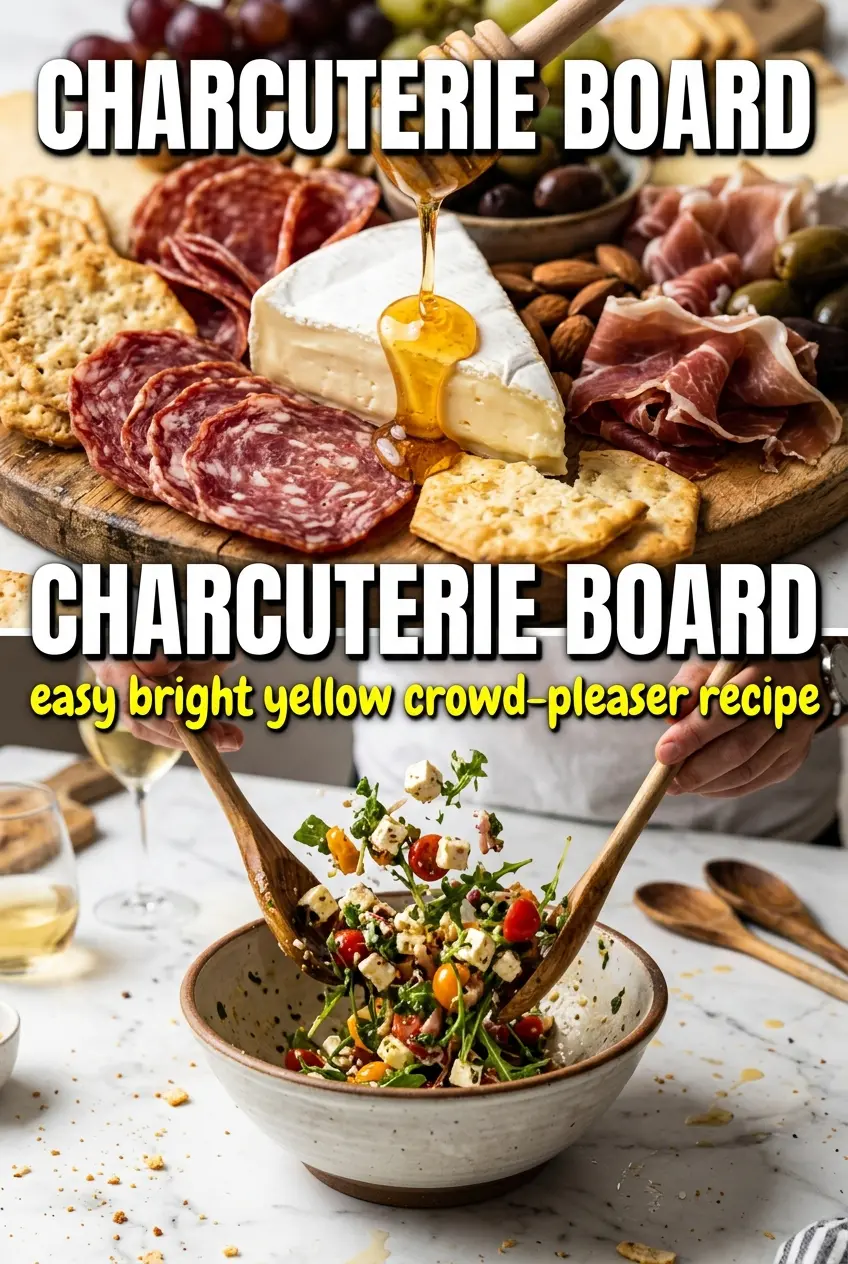
Charcuterie Board
Ingredients
Method
- Rinse and thoroughly dry the green grapes, then set them aside in a shallow container so they stay bright on the board.
- Slice the salami into folded sections for easy grabbing, keeping pieces roughly the same size for a neat layout.
- Cut the brie into thick wedges so it can be served without tearing or melting off the board.
- Arrange the crackers in a few clusters, leaving space around them for salami and brie pieces.
- Start by placing the brie pieces slightly off-center so you build height around the creamy focal point.
- Add folded salami around the brie in a loose ring, alternating directions to create visible layers.
- Tuck grapes between salami and crackers, filling gaps so the board looks abundant rather than sparse.
- Drizzle honey over the brie or in small ribbons near grapes for a sweet finish that complements the salty flavors.
- Adjust the layout with one final pass—rotate items for even spacing and visible color contrast before serving.