
Bright, satisfying breakfasts can absolutely fit a calorie deficit without leaving you hungry an hour later. The sweet spot is a plate that feels generous, tastes fresh, and still leans on protein first, whether that means soft scrambled eggs with vegetables, a thick yogurt bowl with berries, or toast topped with avocado and an egg.
What makes these ideas work is balance, not restriction. Eggs and Greek yogurt bring the protein that helps you stay full, while spinach, berries, tomatoes, and avocado add volume, fiber, and flavor without sending the calories sky-high. A little seasoning goes a long way here, especially when the ingredients are simple and clean.
Below, you’ll find a few ways to build these breakfasts so they still feel worth eating on repeat. I’ve also included the small details that matter most, like which option gives you the fastest prep and how to keep the toast and eggs from feeling dry and flat.
The veggie omelette stayed fluffy and the spinach didn’t water it down at all. I also loved that the Greek yogurt bowl actually kept me full until lunch, which never happens for me with a lighter breakfast.
Save these calorie deficit breakfast ideas for mornings when you want a high-protein plate that still feels fresh and filling.
The Breakfast Mistake That Leaves You Hungry Again by 10 A.M.
The problem with a lot of “light” breakfasts is that they cut calories without building satiety. A bowl of fruit alone, plain toast, or a small pastry can look tidy on a plate and still leave you rummaging for snacks before midmorning. These options work because they anchor the meal with protein, then add produce for volume and freshness instead of piling on empty extras.
The other mistake is letting the texture go flat. Scrambled eggs turn rubbery when cooked too hard. Yogurt bowls become one-note when they’re too thin or too sweet. Avocado toast falls apart when the bread is flimsy and the avocado is underseasoned. Each of these breakfasts has a small fix built into it, so the food tastes finished rather than diet-like.
- Protein keeps you fuller longer than a carb-only breakfast.
- High-volume vegetables and fruit make the plate look abundant without pushing calories up fast.
- A little salt, seasoning, or acid wakes up simple ingredients.
- Texture matters just as much as macros if you want a breakfast you’ll actually repeat.
What Each Ingredient Is Actually Doing in This Breakfast Rotation
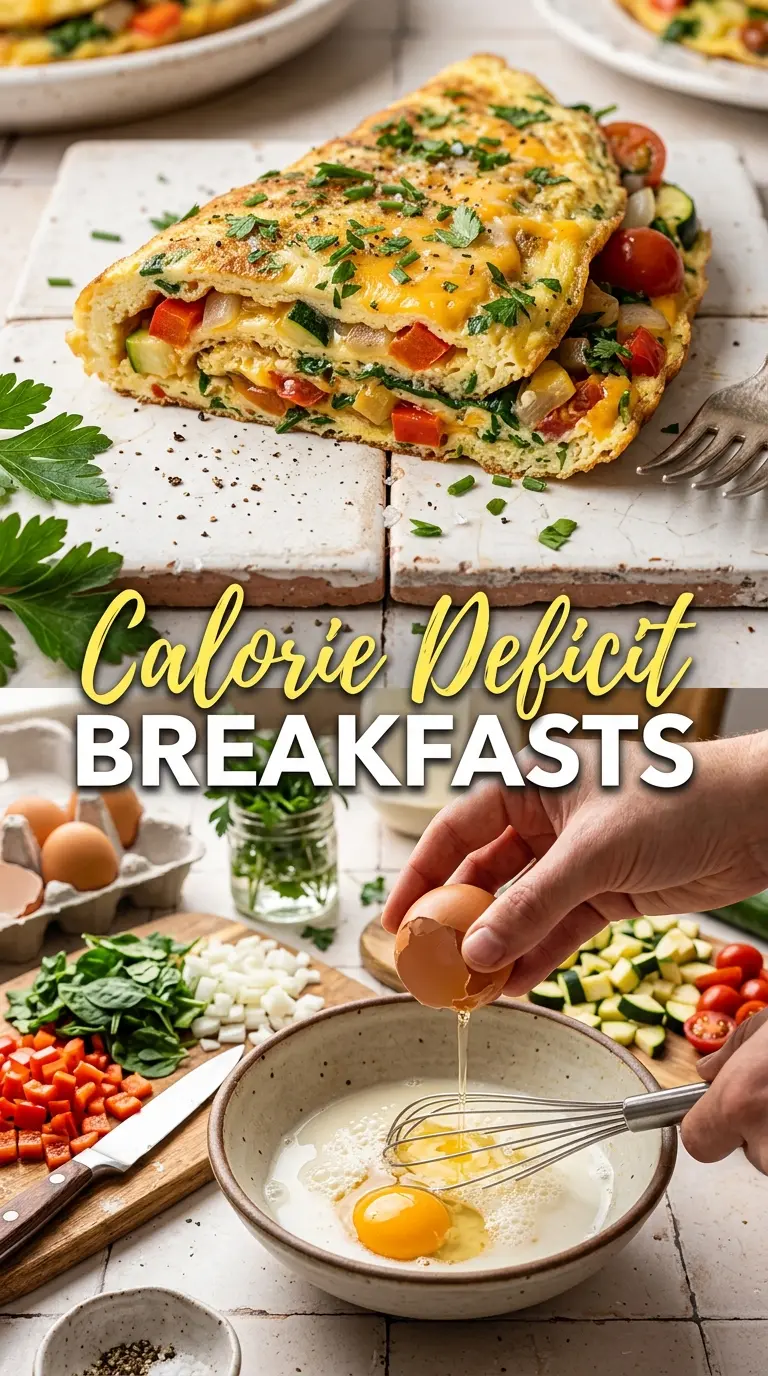
The eggs do the heaviest lifting in the omelette and avocado toast versions. Whole eggs give you the most satisfying texture and flavor, while egg whites work if you want to lower calories and keep the protein high. If you use whites alone, add a pinch of salt early so they don’t taste hollow once cooked.
Non-fat Greek yogurt is the fastest path to a high-protein breakfast with almost no prep. You want the thick, tangy kind, not a loose yogurt, because the texture is what makes the bowl feel substantial. Fresh berries bring sweetness and moisture, and they’re one of the easiest swaps to keep this breakfast from feeling repetitive.
Whole grain toast gives the avocado toast real structure. Thin white bread gets soggy under avocado and egg, while a sturdier slice holds up better and adds a little extra fiber. Avocado should be ripe enough to mash smoothly; if it’s hard, the toast will feel chunky and underfinished instead of creamy.
- Eggs or egg whites — Eggs bring richer flavor and a softer set. Egg whites keep the calories lower, but they need seasoning and careful cooking or they taste bland and dry.
- Non-fat Greek yogurt — This is the easiest high-protein option in the group. Choose a thick brand so the bowl feels creamy, not watery.
- Fresh berries — They add sweetness, color, and volume for very few calories. Frozen berries work too, but thaw them first so they don’t thin out the yogurt.
- Whole grain toast — Gives the avocado toast structure and fiber. Swap in any sturdy bread, but skip anything too soft if you want the toppings to stay put.
- Avocado — Adds richness that makes a lighter breakfast feel satisfying. Use just enough to coat the toast, since avocado is calorie-dense even though it’s a smart fat.
- Spinach and cherry tomatoes — These bulk up the omelette with almost no calorie load. Cook off the tomato moisture first or the eggs can turn watery.
- Everything bagel seasoning — This is the simplest way to make avocado toast taste complete. It adds salt, garlic, onion, and crunch without extra effort.
The 10-Minute Build That Keeps Every Version Tasting Fresh
The Veggie Omelette
Whisk the eggs until they look uniform and slightly foamy, then pour them into a warm nonstick pan. Add the spinach and tomatoes while the eggs are still soft around the edges so the vegetables settle into the surface instead of sitting on top like garnish. If the pan is too hot, the bottom will brown before the center sets, so keep the heat at medium-low and let the eggs cook patiently.
The Greek Yogurt Parfait
Spoon the yogurt into a bowl first, then layer the berries over the top so the fruit stays bright and the yogurt stays thick. If you want a little extra sweetness, use a light drizzle of honey, not a heavy pour, because the berries already bring their own sugar. The biggest mistake here is overmixing everything into a pink blur; keep the layers separate if you want the bowl to feel fresh and intentional.
The Avocado Toast Finish
Mash the avocado directly on the toast so it clings to the bread instead of sliding around in a bowl. Top it with the egg while it’s still warm, then finish with everything bagel seasoning so the salt hits the avocado and the yolk at the same time. If the toast is too thin, the bread will bend under the egg; use a slice that can handle the weight.
How to Make These Breakfasts Work for Different Mornings
Lower-Calorie Egg White Omelette
Swap the whole eggs for egg whites and keep the spinach and tomatoes the same. You’ll lose some richness, but you’ll also cut calories and still get a strong protein base. A little seasoning matters more here because egg whites need help tasting complete.
Dairy-Free Breakfast Bowl
Use a high-protein dairy-free yogurt if you need to avoid dairy, but expect a thinner texture and a slightly sweeter base. Some brands work well, but many don’t deliver the same protein count as Greek yogurt, so check the label if satiety matters most.
Gluten-Free Option
Skip the toast and build the meal around the omelette or yogurt parfait. That keeps the structure intact without needing special bread, and the protein stays right where it should be. If you do want toast, use a bread you trust and toast it until the edges are crisp.
Meal Prep for Busy Mornings
Hard-boil the eggs ahead of time and wash the berries so two of the three options become grab-and-go. The avocado toast still works best fresh, but the egg and yogurt versions are easy to assemble in minutes. This is the best way to keep the breakfasts fast without eating the same thing every day.
Storage and Reheating
- Refrigerator: Cooked omelette components keep for 2 days, hard-boiled eggs for up to 1 week, and the yogurt bowl is best assembled fresh so the berries don’t bleed.
- Freezer: The yogurt bowl and avocado toast don’t freeze well. The cooked omelette is better made fresh, since eggs can turn spongy after freezing and thawing.
- Reheating: Reheat eggs gently in a skillet over low heat or in short microwave bursts. High heat makes them tough fast, which is the quickest way to ruin an otherwise good breakfast.
Questions I Get Asked About This Recipe

Calorie Deficit Breakfast Ideas
Ingredients
Equipment
Method
- Whisk the 2 eggs (or egg whites) in a bowl, then pour into a cast iron skillet heated to medium. Cook for 2-3 minutes until the edges start to set, with the center still slightly soft.
- Add the 1 cup spinach and the cherry tomatoes to the skillet and let them wilt and heat through for 1-2 minutes. The spinach should soften and reduce in volume.
- Fold the omelette and continue cooking on medium for 2-3 minutes until fully set. The surface should look mostly matte with no runny egg.
- Add 1/2 cup non-fat Greek yogurt to a serving glass. Spoon it in an even layer so it holds shape.
- Top with 1/2 cup fresh berries and gently press them down. The berries should sit evenly across the yogurt.
- Sprinkle everything bagel seasoning lightly over the top to finish. The surface should look speckled and evenly coated.
- Toast the 1 slice whole grain toast until crisp. The edges should be lightly browned.
- Mash 1/4 avocado and spread it over the toast. The layer should be smooth and thick enough to hold toppings.
- Cook the 2 eggs (or egg whites) in the skillet on medium for 3-4 minutes, then place the cooked egg on top of the avocado. The egg should be set and not glossy.
- Finish with everything bagel seasoning sprinkled over the top. The topping should be visible as a consistent sprinkle.