
Crisp pasta, juicy tomatoes, and a bright dressing come together in a bowl that stays fresh tasting instead of turning heavy and dull after an hour on the table. The best versions of summer pasta salad have contrast in every bite: tender pasta, crunchy vegetables, something creamy or briny for depth, and a dressing that coats without pooling at the bottom.
The trick is balancing texture and seasoning before the salad gets chilled. Pasta that’s cooked just to al dente holds up better once it’s tossed with dressing, and the vegetables stay lively if you add the most delicate ones at the end. A little acid wakes up the whole bowl, but too much makes the dressing taste sharp instead of clean.
Below, I’ve broken down the small choices that matter here — the pasta shape that clings to dressing, the add-ins that keep the salad from feeling flat, and the timing that keeps everything tasting fresh even after it sits.
The dressing coated every piece without getting watery, and the pasta stayed firm after chilling. I brought it to a cookout and there wasn’t a spoonful left.
Save this summer pasta salad for cookouts, potlucks, and those nights when you need something cold, colorful, and fast to pull together.
The Pasta That Holds Its Shape After Chilling
Summer pasta salad falls apart when the pasta is overcooked or the dressing gets added before the noodles have cooled enough. Soft pasta absorbs too much liquid and turns muddy after a few hours in the fridge. The goal is a pasta shape with enough structure to catch dressing in the ridges, but enough tenderness to eat cleanly cold.
Short shapes like rotini, fusilli, farfalle, or shells work best because they hold onto chopped vegetables and vinaigrette instead of letting everything slide to the bottom of the bowl. Rinse only if the pasta needs to stop cooking fast, then toss it with a little dressing while it’s still just warm. That first coating gives the noodles flavor from the inside out and keeps the salad from tasting flat later.
- Pasta shape — Choose a shape with curves, ridges, or pockets. Straight spaghetti has nowhere to trap the dressing, and the salad loses its texture fast.
- Acid — Citrus or vinegar keeps the bowl bright, but it should be balanced with oil or a creamy element so the salad tastes rounded instead of sharp.
- Crunch vegetables — Bell peppers, cucumbers, celery, and red onion hold texture better than soft vegetables once the salad sits.
- Salty add-ins — Feta, olives, or parmesan give the salad backbone. Without something briny, it can taste like chilled noodles with vegetables mixed in.
What Each Ingredient Is Actually Doing in This Dish
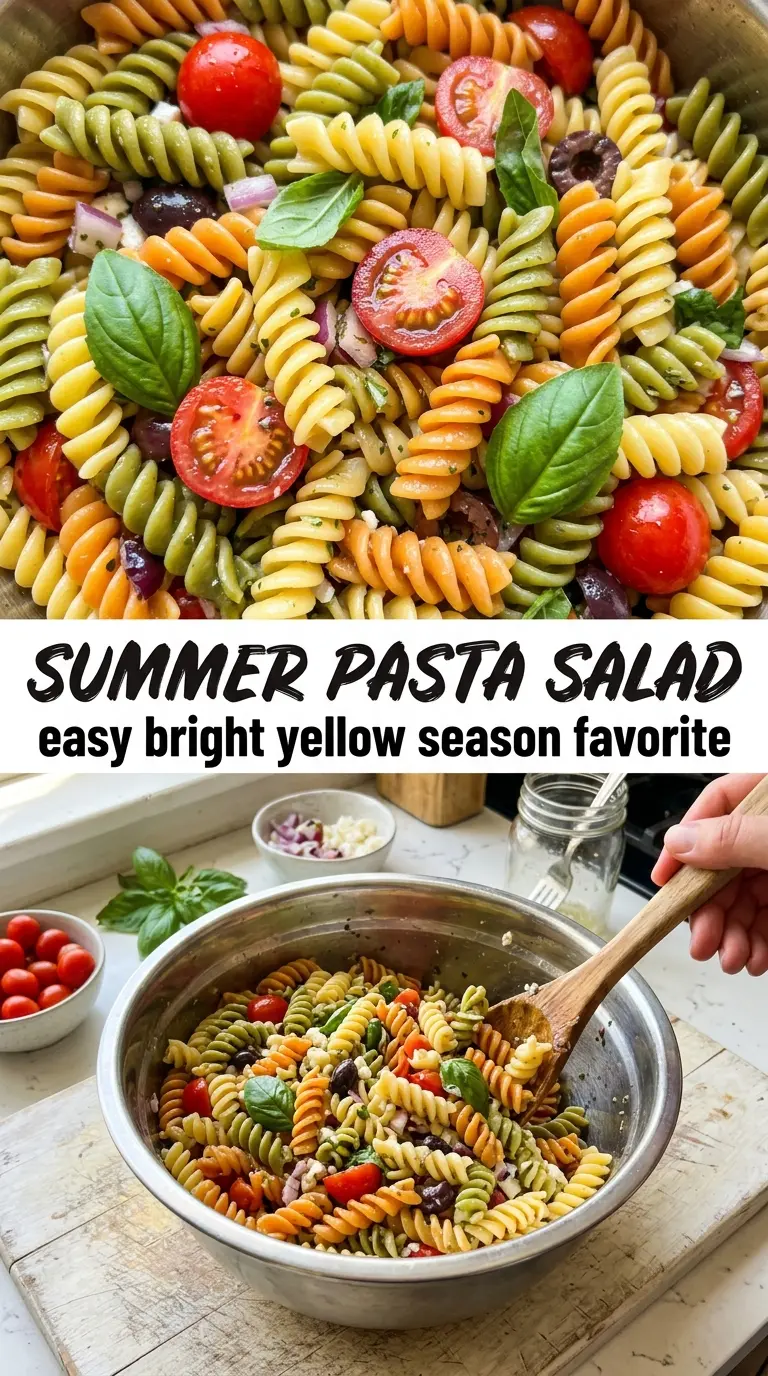
Cherry tomatoes bring juice and sweetness, but they also need to be sturdy enough to hold their shape. Cut them in halves or quarters right before tossing so they don’t leak into the dressing too early.
Corn adds a sweet pop that makes the salad feel fuller. Fresh corn cut off the cob has the best texture, but thawed frozen corn works well if you dry it thoroughly first so it doesn’t water down the bowl.
Leafy greens or herbs should go in at the end. If they sit in dressing too long, they wilt and lose the contrast that makes this salad worth serving.
Citrus vinaigrette ties everything together. Use a decent olive oil here, because a thin or flat oil tastes blunt once the salad is chilled. If you swap in bottled dressing, pick one with enough acidity to wake up the pasta, then add a squeeze of fresh lemon to sharpen it.
The 20 Minutes That Actually Matter
Cooking the Pasta Just Past the Firm Center
Boil the pasta until it’s al dente with just a little bite left in the middle. If it goes fully soft in the pot, it won’t recover after chilling and tossing. Drain it well, then spread it out briefly so steam can escape instead of trapping extra moisture in the bowl.
Building the Dressing Before the Salad Meets It
Whisk the dressing until it looks slightly thick and unified, not slick and separated. That emulsion matters because it helps the dressing cling to the pasta instead of sliding off. If you’re using garlic or shallot, let it sit in the acid for a few minutes first so the bite softens and blends in.
Combining While the Pasta Is Still Slightly Warm
Toss the pasta with part of the dressing while it’s still warm enough to absorb flavor. That first toss is where the salad gets depth. Add the vegetables after that, then the more delicate herbs or greens last so they stay fresh and perky instead of wilted.
Chilling Without Letting It Go Bland
Once everything is combined, chill the salad long enough for the flavors to settle, then taste again before serving. Cold food needs more seasoning than warm food, and this is where a pinch of salt, another splash of acid, or a drizzle of oil can bring the whole bowl back to life. If it seems dry after chilling, it’s usually because the pasta absorbed the dressing, not because the recipe failed.
How to Adapt This for Different Tables and Different Diets
Dairy-Free Version That Still Tastes Complete
Skip feta, parmesan, or any creamy add-ins and lean harder on olives, herbs, toasted seeds, or a touch more citrus. You lose the salty richness dairy brings, so replace it with another source of depth rather than just taking the cheese out.
Gluten-Free Pasta That Won’t Turn Mushy
Use a sturdy gluten-free short pasta and stop cooking it a minute before the package says it’s done. Gluten-free pasta softens fast after chilling, so undercooking slightly is the difference between a good salad and a bowl of broken noodles.
Make It Heartier for Dinner
Add grilled chicken, chickpeas, salami, or white beans if you want this to eat like a main dish. The important part is keeping the add-in bite-sized and already seasoned, because bland protein drags the salad down.
Storage and Reheating
- Refrigerator: Keeps for 3 to 4 days. The pasta will absorb some dressing as it sits, so expect a drier texture on day two.
- Freezer: Freezing isn’t a good fit. The vegetables lose their crunch and the dressing separates after thawing.
- Reheating: Serve it cold or let it sit at room temperature for 15 to 20 minutes before serving. If it tastes flat after chilling, stir in a small splash of vinegar or lemon juice rather than heating it, which only softens the vegetables further.
Answers to the Questions Worth Asking
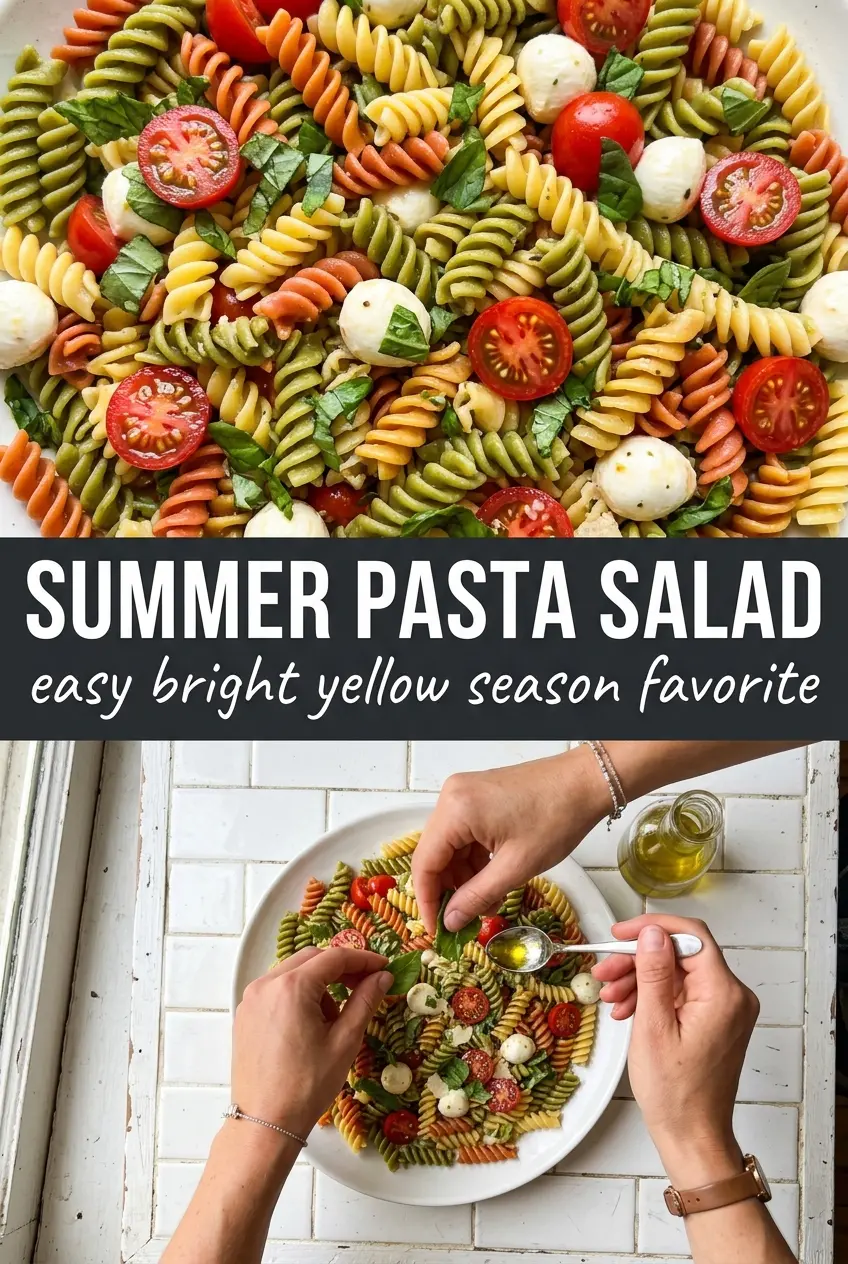
Summer Pasta Salad
Ingredients
Equipment
Method
- Bring a Dutch oven filled with salted water to a boil, then add the small pasta shapes and cook until just tender, 25-35 minutes. Stir occasionally so the pasta doesn’t stick.
- Drain the pasta and spread it on a sheet pan to cool slightly for 5-10 minutes. This helps keep the salad from getting soggy.
- In the same Dutch oven, heat the corn over medium-high until warmed through, 3-5 minutes. Stir so the corn heats evenly.
- Whisk olive oil, lemon juice, orange juice, Dijon mustard, honey, salt, and black pepper until smooth. Taste and adjust seasoning before tossing.
- In a large bowl, toss the cooled pasta with the warm corn and cherry tomatoes. Coat everything so the vegetables glisten with the vinaigrette.
- Add baby spinach and toss just until the greens wilt slightly, 1-2 minutes. Serve right away for the best crunch.