
Tangy rhubarb sauce has a way of turning plain yogurt, ice cream, pancakes, and pound cake into something that tastes thoughtful instead of thrown together. The best version lands in that sweet spot where the rhubarb stays bright and a little sharp, but the sauce still feels smooth and spoonable, not stringy or watery. That balance is what keeps people reaching for it again.
The trick is giving the rhubarb enough time to break down without cooking it so hard that it loses its color and fresh edge. A little sugar softens the tartness, but too much turns the sauce flat. A touch of salt helps the fruit taste more like itself, and a short simmer is usually enough if the pieces are cut evenly.
Below, I’ve included the part that matters most: how to keep the sauce glossy instead of thin, plus a few smart ways to change the texture depending on how you plan to serve it.
The sauce thickened up beautifully and stayed bright pink instead of turning mushy. I spooned it over vanilla yogurt for breakfast and my kids kept asking for “the pink fruit sauce.”
Love this bright rhubarb sauce? Save it to Pinterest for pancakes, yogurt bowls, and quick desserts that need a tart-sweet finish.
The Fast Simmer That Keeps Rhubarb Bright Instead of Muddy
Rhubarb goes from crisp pieces to soft sauce fast, and that speed is where people usually miss the mark. If you cook it hard and long, the texture turns loose and dull, and the color can fade from bright pink to a washed-out pink-brown. The goal is to let it collapse gently so it still tastes fresh.
Cutting the stalks into even pieces matters more than most people think. Uneven chunks mean some pieces dissolve before others soften, which leaves you with a mix of mush and firm bits. A steady simmer gives the sugar time to pull out juice, then the fruit finishes breaking down in that liquid instead of scorching on the bottom of the pan.
- Even rhubarb pieces — Cut the stalks into roughly the same size so they soften at the same pace. If some pieces are much thicker, they will stay fibrous while the smaller ones disappear.
- Sugar — This doesn’t just sweeten the sauce; it also helps draw out juice and balance rhubarb’s sharp edge. Start with the amount in the recipe, then taste near the end and adjust only after the fruit has fully softened.
- A small pinch of salt — Salt doesn’t make the sauce taste salty. It sharpens the fruit and keeps the sweetness from tasting one-note.
- Water or juice, if needed — Rhubarb usually releases enough liquid on its own, but a splash at the start helps prevent sticking if your pan runs hot or your stalks are especially dry.
What Each Ingredient Is Actually Doing in This Sauce
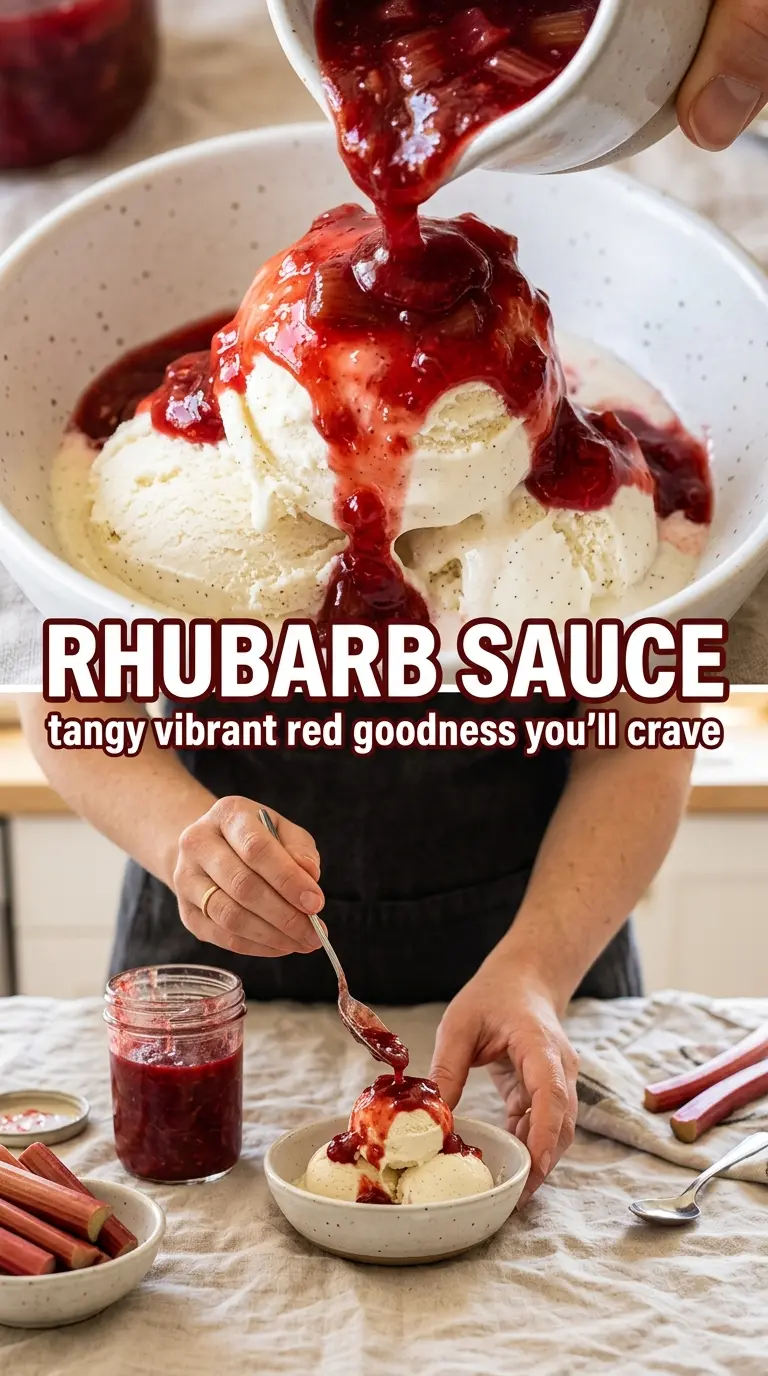
- Rhubarb — This is the whole reason the sauce works. Fresh rhubarb gives you the clean tart flavor and the pink color, while frozen rhubarb works too if that’s what you have. If you use frozen, don’t thaw it first; put it straight into the pan so it doesn’t go watery before cooking starts.
- Sugar — Rhubarb needs sugar to taste balanced, but the amount depends on how tart your stalks are. White sugar gives the cleanest flavor and keeps the color bright. Honey can work, but it pushes the sauce in a warmer direction and softens the tart snap.
- Water or orange juice — A little liquid helps the rhubarb start cooking before it breaks down and releases its own juices. Water keeps the flavor pure, while orange juice adds a subtle citrus note that pairs nicely with tart fruit. Use juice only if you want that extra layer, not because the sauce needs it to work.
- Cornstarch, if you want a thicker sauce — Rhubarb sauce naturally softens into a spoonable texture, but a slurry gives you a more dessert-sauce finish. Stir it in only after the fruit has broken down, and keep the heat gentle while it thickens so it stays glossy instead of turning pasty.
Cooking the Rhubarb Until It Softens Without Falling Apart
Starting the Fruit
Put the rhubarb, sugar, and any liquid into a heavy saucepan and set it over medium heat. You want the sugar to dissolve as the rhubarb starts to release juice, not stick to the bottom and scorch. Stir often at first, especially while the pan is still heating, because that’s when dry sugar can settle in one spot and grab.
Letting It Collapse Gently
Once the mixture starts bubbling, lower the heat to a steady simmer. The rhubarb should soften and loosen into a sauce in about 10 to 15 minutes, depending on how thick you cut it. If the pieces are still holding their shape after that, keep simmering a few minutes longer rather than cranking up the heat, which only makes the edges break down too fast.
Finishing the Texture
At the end, taste for sweetness and add a pinch more sugar only if the sauce still reads too sharp. If you want it thicker, stir in a cornstarch slurry and cook just until the sauce looks glossy and lightly nappé on a spoon. If you overcook it after adding starch, it can turn dull and gluey, so stop as soon as it thickens.
Make It Sweeter or Sharper
If your rhubarb is especially tart, add sugar in small increments at the end so you don’t flatten the flavor. If you like a sharper sauce for yogurt or savory pairings, stop a little earlier and keep the sweetness light. The fruit should still taste bright, not candy-like.
Orange Rhubarb Sauce
Swap part of the water for orange juice and add a little zest at the end. The citrus rounds out the tartness and makes the sauce taste brighter over ice cream or cheesecake, but it does pull attention away from the pure rhubarb flavor. Use a light hand so the sauce still tastes like rhubarb first.
Thicker Dessert Sauce
For spoon-over desserts, stir in a cornstarch slurry near the end and cook just until the sauce turns glossy. This gives you a thicker finish that clings to cake or pound cake instead of running off the plate. Don’t add the starch too early, or the rhubarb won’t soften properly.
Storage and Reheating
- Refrigerator: Store in a covered container for up to 1 week. It will thicken a little as it chills.
- Freezer: Rhubarb sauce freezes well for up to 3 months. Cool it completely, portion it into freezer-safe containers, and leave a little room at the top for expansion.
- Reheating: Warm it gently on the stovetop over low heat or in short bursts in the microwave. High heat can make it split or turn overly loose once it thaws.
Questions I Get Asked About This Recipe
Rhubarb Sauce
Ingredients
Equipment
Method
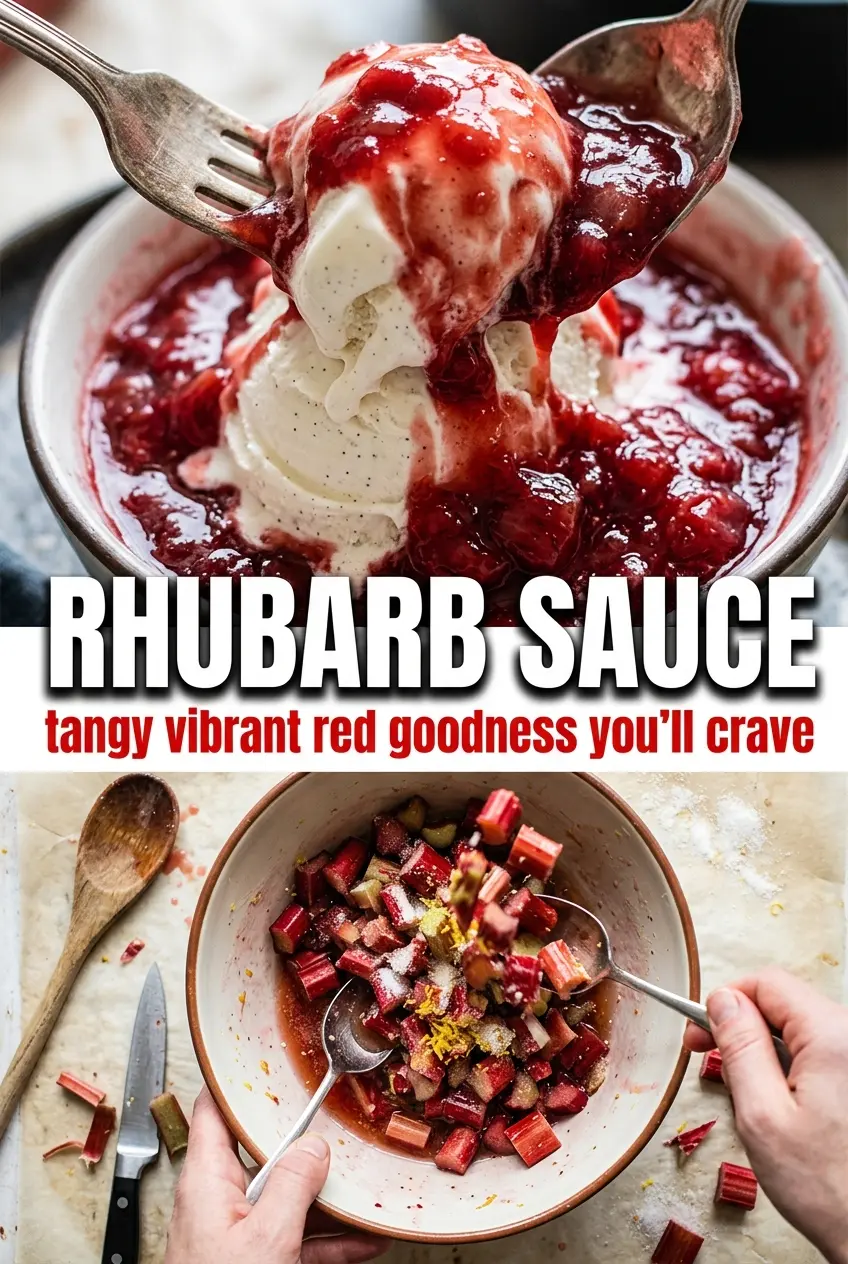
- Combine chopped rhubarb, sugar, and water in a Dutch oven, then bring to a gentle simmer over medium heat. Cook for 10-15 minutes, stirring occasionally, until the rhubarb breaks down and releases juices and looks pink and glossy.
- Stir in lemon zest and lemon juice, then continue simmering over medium heat for 10-15 minutes. Cook until the mixture has reduced slightly and thickened to a loose sauce that holds shape on the spoon.
- Whisk cornstarch with cold water in a small cup, then pour it into the simmering sauce while stirring. Simmer for 2-3 minutes until the sauce turns noticeably thicker and coats the back of a spoon.
- Remove from heat and stir in vanilla extract, if using. Taste and adjust sweetness or lemon to balance, then let stand 5 minutes to thicken further.