
Golden chicken, sticky pineapple glaze, and a bowl of fluffy rice come together in a way that feels bright without being fussy. The chicken gets a quick sear first, which gives the dish real savory depth before the sweet sauce goes in. By the time the glaze thickens, you’ve got tender chicken pieces coated in a glossy sauce that clings instead of sliding to the bottom of the pan.
What makes this version work is the balance in the sauce. Pineapple juice brings the fruitiness, but soy sauce, rice vinegar, and garlic keep it from tasting flat or candy-sweet. A short simmer is enough to reduce it into something silky and spoonable, and using thin-sliced chicken breast helps everything cook fast without drying out.
Below, I’ll walk through the part that matters most: how to get the sauce to thicken cleanly without overcooking the chicken. I’ve also included a few swaps that still keep the dish balanced, plus the storage detail that matters if you’re planning leftovers.
The sauce thickened into that glossy coating right at the 4-minute mark, and the pineapple stayed juicy instead of turning mushy. I served it over jasmine rice and my husband went back for seconds before I even sat down.
Pineapple Chicken and Rice has that sticky sweet-savory glaze that clings to every bite, so it’s worth saving for an easy skillet dinner that still feels special.
The trick is reducing the sauce before the chicken gives off too much liquid
The biggest mistake with pineapple chicken is treating the pan like a slow braise. If you leave the chicken in too long before the sauce goes in, it starts releasing liquid and the glaze never gets the chance to tighten up. You want a hot skillet, a quick brown on the chicken, then the sauce added while the pan is still lively enough to reduce it fast.
The pineapple juice does a lot of the sweetening here, but it also adds a lot of water. That means the simmer has to stay active enough to thicken the sauce, yet gentle enough that the chicken stays tender. If the sauce looks thin at first, keep it moving around the pan for another minute or two instead of turning the heat up hard. High heat can push the sugars past glossy and straight into burnt.
What each ingredient is actually doing in this dish
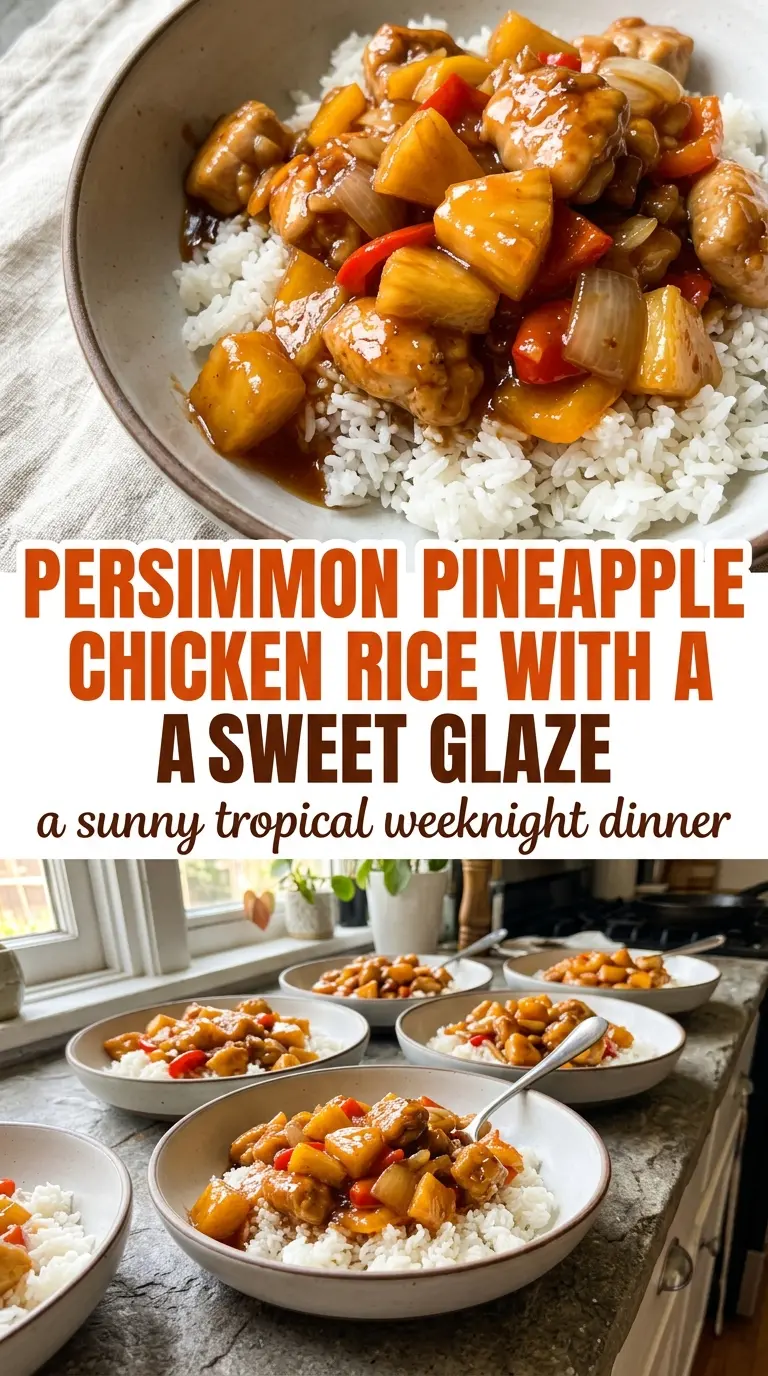
- Chicken breasts — Thin slices cook quickly and stay tender in a fast skillet dinner. If you use thicker pieces, pound them lightly or slice them after cooking, or they’ll need more time than the sauce wants to give.
- Pineapple chunks and reserved juice — The chunks add texture while the juice becomes the base of the glaze. Canned pineapple is fine here, and honestly convenient; just drain it well and keep the juice, because that’s what ties the sauce together.
- Soy sauce — This is the salt and umami backbone. Low-sodium soy sauce works well if you want a little more control, but don’t swap in something much sweeter or the balance goes off.
- Honey — Honey helps the sauce turn glossy and cling to the chicken. Maple syrup can stand in, but it reads a little darker and less tropical.
- Rice vinegar — That small hit of acid keeps the pineapple from tasting one-note. If you’re out, use apple cider vinegar in the same amount, but the flavor will be a touch sharper.
- Onion and garlic — These give the skillet base enough savory depth that the sauce doesn’t taste like fruit syrup. Mince the garlic finely so it disappears into the glaze instead of landing in harsh little bites.
Building the glaze without overcooking the chicken
Brown the chicken first
Heat the oil in a large skillet until it shimmers, then add the chicken in a single layer. Let it sit long enough to pick up light browning before stirring. If you crowd the pan, the chicken steams and you lose the savory base that makes the sauce taste layered instead of flat. Pull the chicken out once it’s browned; it doesn’t need to be cooked through yet.
Soften the onion in the fond
Add the onion to the same skillet and cook until it softens and picks up the browned bits from the pan bottom. Those bits are the point of the first sear, so scrape them loose while the onion sweats. If the pan looks dry, a splash of the reserved pineapple juice helps lift the fond without washing away flavor. The onion should turn translucent, not deeply caramelized.
Let the sauce reduce to a glaze
Whisk the pineapple juice, soy sauce, honey, rice vinegar, garlic, and red pepper flakes together, then return the chicken and pineapple to the pan. Simmer until the sauce looks shiny and starts to coat the spoon, usually just a few minutes. If it still looks watery, keep simmering; if it gets too thick, add a tablespoon of water or more pineapple juice. The goal is a glossy coating, not a sticky paste.
How to adapt this for a few different kitchens
Make it gluten-free without losing the savory edge
Use gluten-free tamari in place of soy sauce. The sauce stays just as balanced and glossy, and you won’t lose the salty depth that keeps the pineapple from tasting too sweet.
Make it dairy-free and keep it weeknight-friendly
This dish is naturally dairy-free as written, which is one reason it works so well for quick dinners. Serve it over rice, coconut rice, or even cauliflower rice if you want a lighter bowl without changing the sauce.
Swap the chicken for shrimp or tofu
Shrimp works if you cook it separately and add it at the end, since it only needs a couple of minutes. For tofu, press it well, cube it, and brown it before adding the sauce; that crisp edge helps it hold up against the glaze.
Use fresh pineapple when you have it
Fresh pineapple gives a brighter, firmer bite, but you’ll still need some juice for the sauce. If the fruit is very tart, add a little extra honey and taste the sauce before it reduces all the way.
Storage and Reheating
- Refrigerator: Store in an airtight container for up to 4 days. The sauce will thicken a little as it chills.
- Freezer: It freezes well for about 2 months, though the pineapple softens after thawing. Freeze the chicken and sauce together, then thaw overnight in the fridge.
- Reheating: Warm gently in a skillet over medium-low heat with a splash of water or pineapple juice. The common mistake is blasting it in a hot pan, which can dry out the chicken and make the glaze tacky instead of silky.
Questions I Get Asked About This Recipe
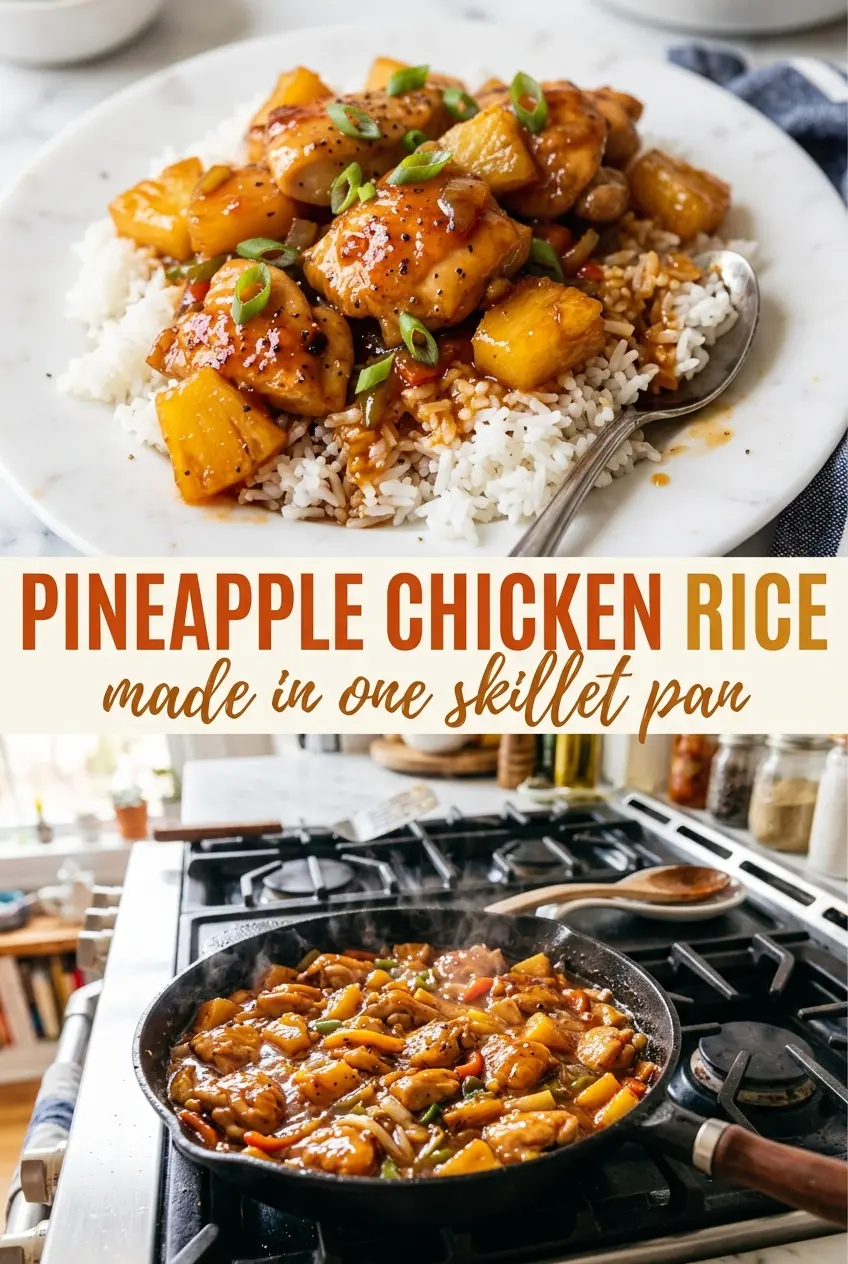
Pineapple Chicken And Rice
Ingredients
Equipment
Method
- Heat the olive oil in a large skillet over medium-high heat, then add the thinly sliced chicken and cook until browned, about 4 to 6 minutes; remove and set aside.
- Keep the skillet on the same burner so it stays hot for the next step.
- Add the chopped onion to the skillet and cook until softened, about 2 to 3 minutes.
- Whisk together the reserved pineapple juice, soy sauce, honey, rice vinegar, minced garlic, and red pepper flakes in a bowl until smooth.
- Return the browned chicken to the skillet, pour in the sauce, and add the drained pineapple chunks.
- Simmer for 3 to 4 minutes until the sauce thickens and coats everything in a glossy glaze; reduce heat if it starts to boil too hard.
- Serve hot over the cooked rice so the glaze soaks into the top layer.