
Golden edges, bright herbs, and a mix of tender and crisp textures make this the kind of meal that earns repeat requests without trying too hard. It lands on the plate looking vibrant and tastes even better than it looks, with enough savory depth to feel satisfying and enough freshness to keep every bite lively.
What makes this version work is the balance. The ingredients need a little space to brown instead of steam, and the seasoning has to be assertive enough to carry through the vegetables, grains, or protein you choose. That contrast is what keeps the dish from tasting flat or one-note. A good squeeze of acid at the end also matters more than people think; it pulls everything into focus.
Below, I’ve laid out the small details that change the result from merely fine to worth making again: what to watch for while cooking, how to swap ingredients without losing the character of the dish, and what to do if you want to prep it ahead.
The vegetables got those caramelized edges and the whole dish still felt fresh, not heavy. I added a little lemon at the end like you said, and that was the part that made it taste finished.
Save these Mediterranean flavors for nights when you want bright, caramelized edges and a meal that still feels light.
The Part Most People Get Wrong: Browning Without Turning Everything Soft
The biggest mistake with a Mediterranean-style dish is crowding the pan. When everything sits too close together, the vegetables release moisture faster than it can cook off, and you end up with a pale, soft mix instead of those browned, concentrated edges that give the dish its backbone. Give the ingredients room and let them sit long enough to take on color before stirring.
Acid and salt matter at the end, not just at the beginning. A lot of ingredients in Mediterranean cooking bring their own saltiness, especially olives, feta, capers, and cured items, so the final seasoning needs a taste, not a guess. If the dish tastes muted, it usually needs lemon, not more salt. That bright finish is what keeps the heavier elements from taking over.
What Each Ingredient Is Actually Doing in This Dish
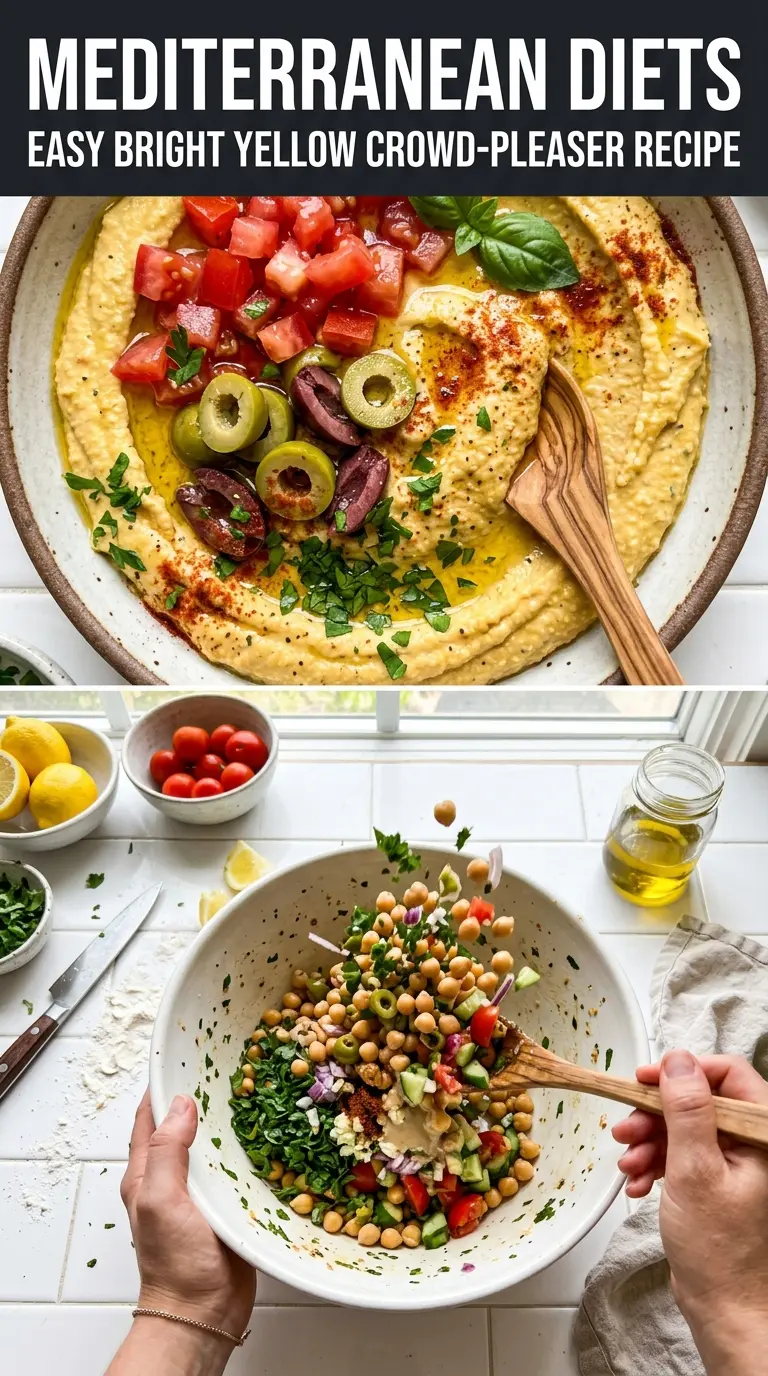
- Olive oil — This isn’t just for keeping things from sticking. It helps vegetables brown and carries the herbs and garlic across the whole dish. Use a decent extra-virgin oil if it’s part of the final finish, but a basic cooking olive oil is fine for the pan.
- Lemon — Fresh lemon juice is what wakes the dish up at the end. Bottled juice tastes flat here, and you can taste the difference immediately. If you need to substitute, use a splash of red wine vinegar, but add it a little at a time so it doesn’t dominate.
- Herbs — Oregano, parsley, dill, or a mix of all three gives this its Mediterranean character. Dried oregano works well during cooking, while fresh herbs should go in at the end so they stay bright. If fresh herbs aren’t available, use dried sparingly and finish with something acidic to keep the flavor lively.
- Vegetables or protein — This recipe depends on ingredients that can handle heat without falling apart. Soft vegetables need less time, while firmer ones can brown longer and develop better flavor. If you’re using chicken, chickpeas, or fish, adjust the cooking order so nothing overcooks while something else is still trying to soften.
Building the Flavor in the Right Order
Starting with the Base
Warm the oil first, then add the aromatics and let them soften before anything else goes in. You want fragrance, not browning at this stage; garlic that turns deep brown will taste bitter and take over the whole dish. If you’re using onions, cook them until the edges turn translucent and the pan smells sweet.
Getting the Browned Edges
Add the ingredients in a single layer whenever you can and leave them alone long enough to sear. Stirring too early is what keeps the surface wet, and wet food doesn’t brown. You’re looking for a little sticking, a little color, and edges that look toasted rather than steamed. If the pan starts to look dry, add a small drizzle of oil instead of dropping the heat too quickly.
Finishing with the Bright Notes
Take the pan off the heat before adding lemon, herbs, or any delicate finishing cheese. That keeps the fresh flavors clean and prevents dairy from turning grainy. Taste once, then adjust with acid and salt in small amounts. The last bite should feel balanced, not heavy.
Three Ways to Adapt It Without Losing What Makes It Work
Make It Vegetarian Without Making It Bland
Use chickpeas, white beans, or roasted cauliflower as the main body of the dish. Chickpeas hold their shape and absorb seasoning well, while cauliflower gives you more browned edges and a lighter texture. If you skip a meat-based version, add one extra hit of acid at the end so the dish still feels complete.
Make It Dairy-Free Without Losing Richness
Leave out any cheese and lean harder on olive oil, lemon, herbs, and maybe a handful of briny olives or capers. Dairy-free versions need that salty, savory edge to stay interesting, so don’t replace cheese with more plain vegetables and expect the same impact. A spoonful of tahini can also add body if the recipe needs a creamy element.
Make It Ahead for Meal Prep
Cook the base and store the fresh herbs, lemon, and any soft cheese separately. That keeps the textures from collapsing in the fridge and lets you finish each portion so it tastes freshly made. If the dish seems dry after chilling, a spoonful of olive oil and a squeeze of lemon bring it back fast.
Stretch It for a Bigger Crowd
Double the ingredients, but cook in batches if the pan gets crowded. A crowded pan steams the food and makes everything taste flatter, which is the fastest way to lose the best part of the dish. Combine the batches at the end and season once more before serving.
Storage and Reheating
- Refrigerator: Store for up to 4 days. The flavors settle in overnight, but crisp vegetables will soften a bit.
- Freezer: Freezes best if the recipe is built around beans, grains, or roasted vegetables. Fresh herbs and delicate greens don’t freeze well, so add those after thawing when possible.
- Reheating: Warm gently in a skillet over medium-low heat with a splash of water or olive oil. The common mistake is blasting it in the microwave until the edges dry out and the bright flavors disappear.
Answers to the Questions Worth Asking
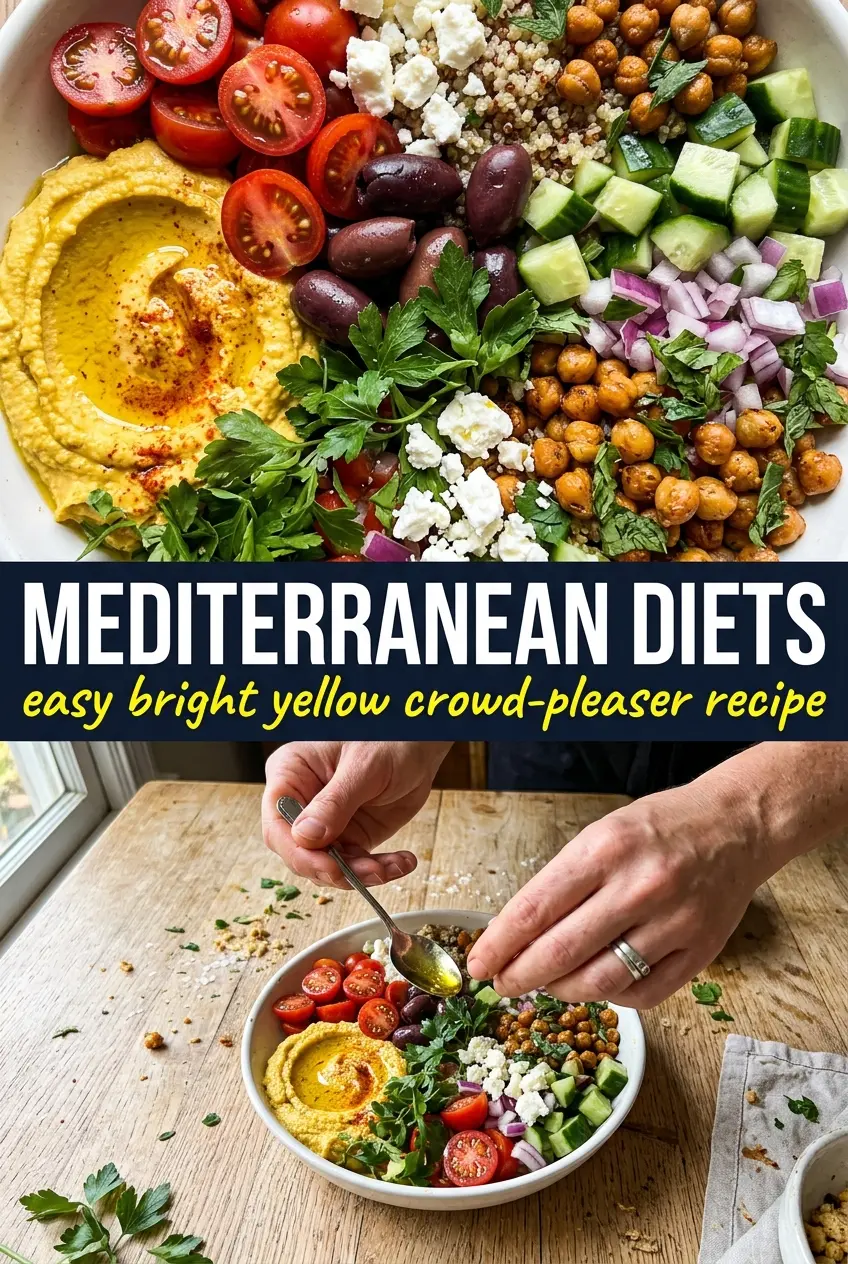
Mediterranean Diets
Ingredients
Equipment
Method
- Follow the full directions for mediterranean diet recipes by searching 'mediterranean diet recipes recipe steps' and keep the process aligned with prep time of 15-20 mins and cook time of 25-35 mins. When ready to serve, adjust seasoning to taste for a balanced sweet-and-savory finish.