
Limoncellos hit that sweet spot between bright, punchy lemon flavor and a smooth finish that doesn’t taste harsh or syrupy. The best versions have enough peel bitterness to keep things interesting, enough sweetness to round it out, and enough time for everything to meld into something that tastes polished instead of sharp. When it’s done right, the citrus comes through cleanly and the alcohol feels integrated, not hot.
The trick is using the lemon peel, not the juice, and giving it time to infuse before you dilute or sweeten it. Lemon juice brings acid, but the fragrant oils live in the zest, and those oils are what make the drink taste vivid. A gentle simmer for the syrup keeps the sweetness clean, while a patient steep gives the peels time to do their job without pulling too much bitterness.
Below you’ll find the small details that matter most: how to avoid bitter limoncello, why the peel prep changes everything, and what to do if you want a softer or stronger finish. There’s also a note on chilling and storing it so the flavor stays bright and the texture stays smooth.
The lemon peel infusion gave it such a clean citrus taste, and it chilled up smooth instead of harsh. I followed the timing exactly and it was perfect over ice after dinner.
Lemon peel limoncello with that clean, smooth finish is worth saving for the next time you want a bright homemade sipper.
The Part That Keeps Limoncello Bright Instead of Bitter
Most limoncello goes wrong in one of two places: the peels are cut too deep, or the mixture is rushed before the citrus oils have time to infuse. The white pith underneath the yellow zest is the problem. It tastes harsh, and once that bitterness gets into the spirit, no amount of sugar can fully hide it.
Use just the outer yellow peel, and strip it as thinly as possible. A vegetable peeler works well if you keep a light hand. If you see much white underneath, that strip goes in the trash. The other big mistake is adding heat too aggressively when you build the syrup. You want a gentle dissolve, not a boil that makes the sugar taste flat or cooked.
What Each Lemon Component Is Doing Here
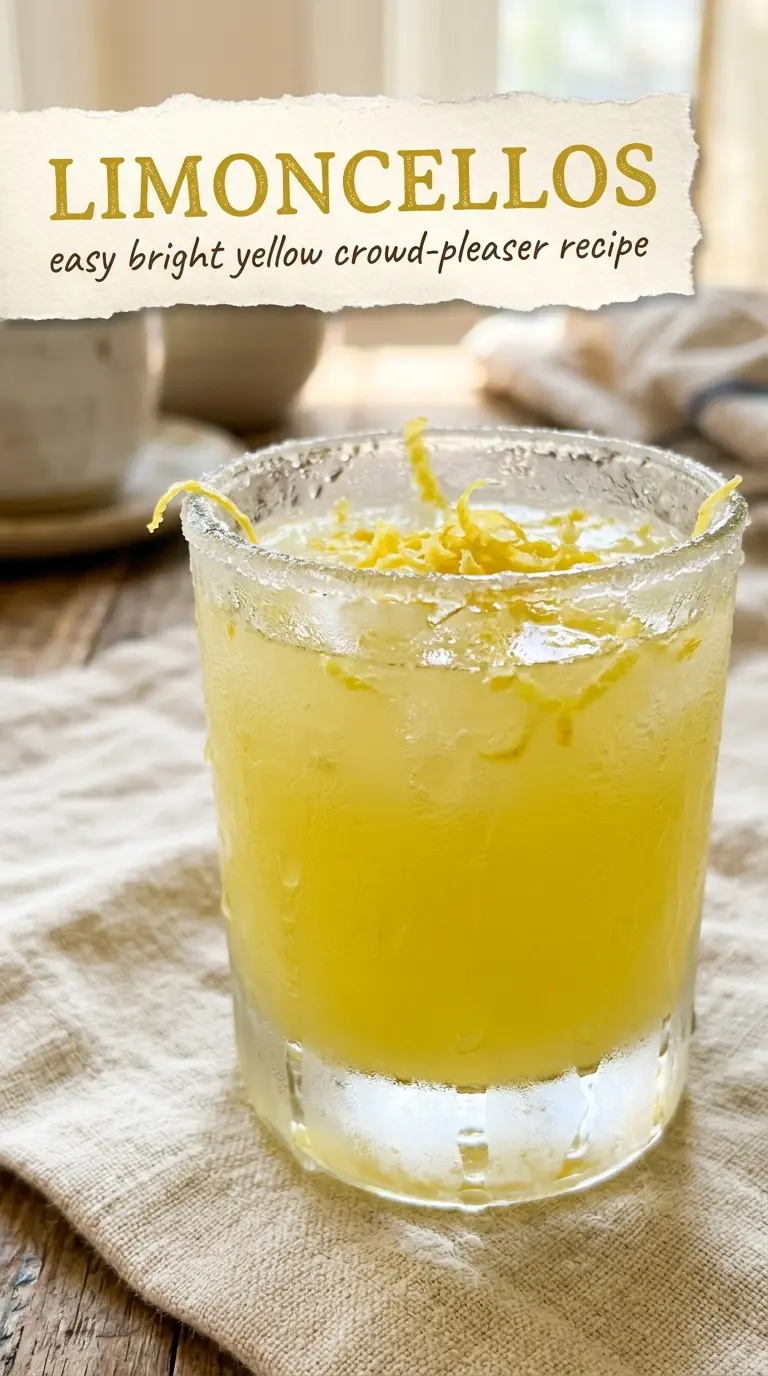
The lemon peel is the backbone of the drink. That’s where the fragrant oils live, and those oils give limoncello its clean aroma. Organic lemons are worth using here if you can get them, since you’re infusing the peel directly. If you only have conventional lemons, scrub them well in warm water before peeling.
- Vodka or neutral grain alcohol — A clean spirit carries the lemon flavor without competing with it. Higher proof extracts more from the peel and gives a stronger result, but regular vodka still works if that’s what you have.
- Fresh lemon peels — This is the ingredient that can’t be substituted in any meaningful way. Lemon extract or juice won’t give you the same aromatic oils, and the juice will push the drink in a sour direction instead of a lush citrus one.
- Sugar syrup — This softens the spirit and rounds the edges. A simple syrup made with equal parts sugar and water is the cleanest option, and you can adjust the amount to taste if you want it sweeter or more brisk.
- Filtered water — Used to dilute the finished infusion to a pourable, chilled strength. Cold water keeps the drink smooth, and if your water tastes strongly of chlorine, it will show in the final bottle.
How to Build the Citrus Infusion Without Overdoing It
Peeling for Aroma, Not Bitterness
Strip the lemons with a peeler, working only through the yellow skin. The peels should look bright and even, not ragged or thick. Thick pieces carry too much pith and tend to make the final drink taste woody. Once the peels are in the jar, cover them completely with the spirit so every piece stays submerged.
Waiting for the Oil to Do Its Work
Let the peels steep until the liquid turns deeply yellow and smells perfumed, not raw. That usually takes days, not hours. If you rush this stage, the drink tastes thin because the oils haven’t fully moved into the alcohol. Give the jar a gentle shake once in a while, then leave it alone.
Sweetening and Diluting at the End
Heat the sugar and water just until the sugar disappears, then cool it completely before mixing. Hot syrup can throw off the balance and make the limoncello taste muddled. Stir the syrup into the infused spirit slowly, taste it, and stop when the sharpness softens but the lemon still leads. Chill it before serving so the texture settles and the flavor tastes clean.
How to Adjust the Batch When You Want It Lighter, Stronger, or Alcohol-Free
Stronger, More Traditional Limoncello
Use a higher-proof neutral spirit and keep the sugar syrup a little lighter. That gives you a sharper, more classic result with a stronger lemon aroma and a more pronounced kick.
Softer, Lower-ABV Version
Increase the dilution with cold water and add the syrup gradually until it tastes balanced. The result is gentler and easier to sip, though the citrus edge will be a little less intense.
Alcohol-Free Lemon Version
You can simmer lemon peel in a sugar syrup and strain it for a bright citrus cordial, but it won’t taste like true limoncello. It works as a mixer or dessert drizzle, just with a softer aroma and much shorter shelf life.
Storage and Chilling
- Refrigerator: Keeps for several weeks to a few months if stored in a sealed bottle. The flavor mellows a little over time.
- Freezer: It freezes poorly because of the alcohol, which is actually useful here. Store it in the freezer for the best texture and a pleasantly thick pour.
- Serving: Chill it until icy cold and pour into small glasses. If it tastes hot or flat, it usually hasn’t been chilled long enough.
Answers to the Questions Worth Asking
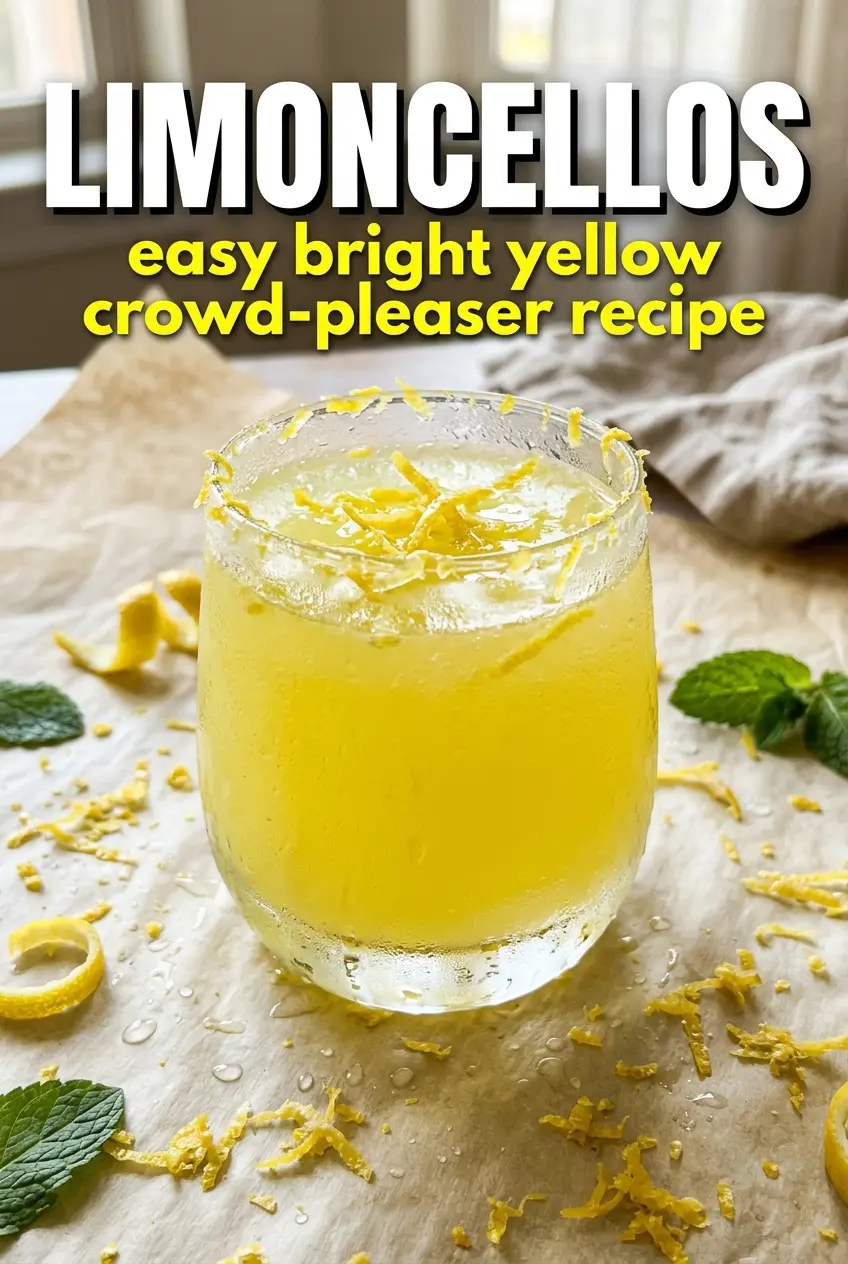
Limoncellos
Ingredients
Equipment
Method
- Add the water and sugar to a Dutch oven and heat over medium until the sugar dissolves and the mixture looks slightly glossy, 5 to 7 minutes. Stir occasionally to prevent browning.
- Add the lemon zest to the syrup and bring to a gentle simmer, then cook until the zest flavor blooms, 10 to 15 minutes at a low simmer (180 to 200°F). Turn off the heat when the liquid smells intensely lemony.
- Cool the syrup to room temperature, 20 to 30 minutes, until no longer steaming. The surface should look clear rather than foamy.
- Pour the lemon-infused syrup into a clean container and stir in the vodka. Mix until uniform, about 1 to 2 minutes.
- Optionally add the grain alcohol for a stronger profile and stir again until fully combined. The mixture should appear evenly yellow and fragrant.
- Chill before serving so the flavors meld, 2 to 4 hours in the refrigerator. Serve cold.