
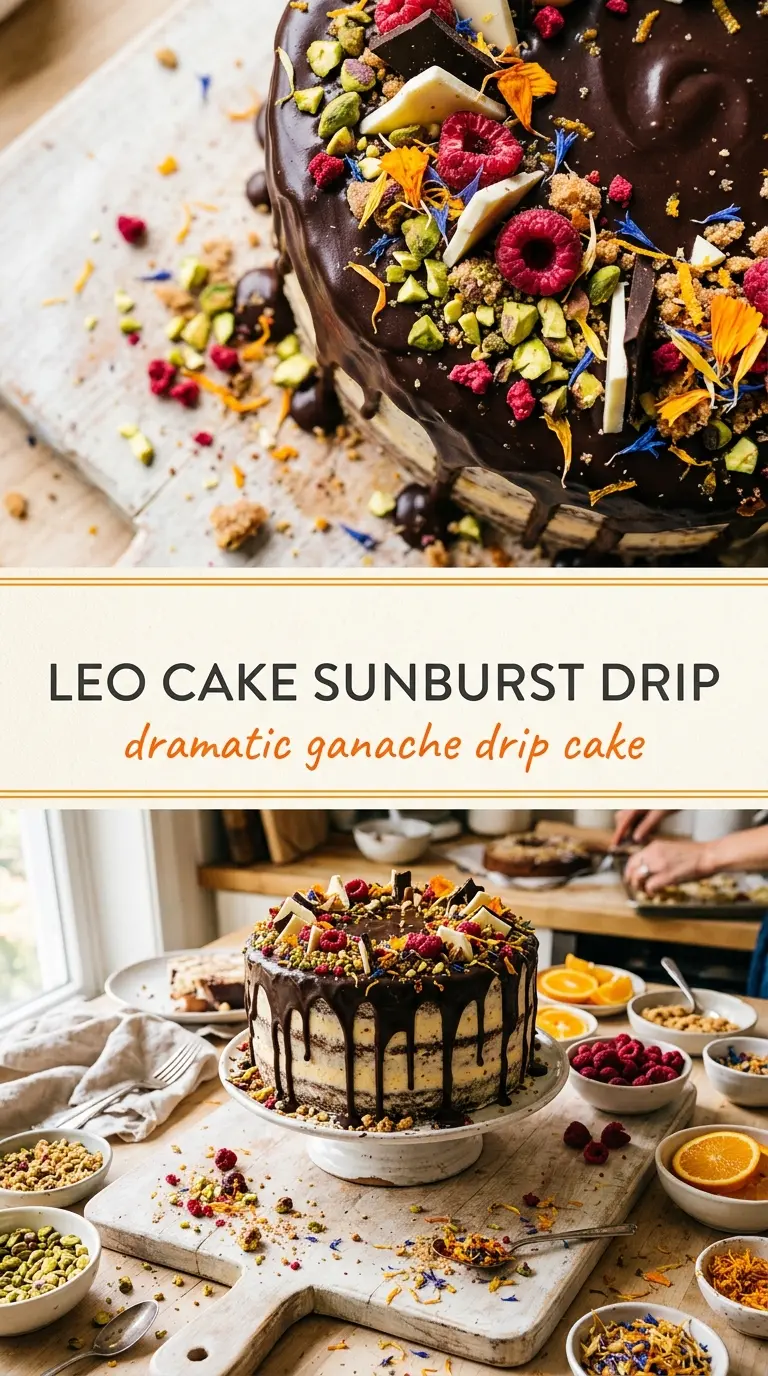
Soft golden layers and a glossy orange ganache drip make this birthday cake feel dramatic before anyone even takes a bite. The crumb stays tender and plush, the chocolate stays smooth enough to cascade in clean ribbons, and the whole cake lands with that celebratory, just-cut-into-it moment people remember. It’s the kind of cake that looks like you spent all day on it, even though the method is straightforward once you know where the details matter.
The cake batter leans on the classic butter-and-sugar method, which gives the crumb structure without making it dry. Alternating the flour and milk keeps the batter from tightening up, and baking in two pans helps the layers cook evenly instead of doming too much in the center. The orange ganache is where the personality comes in: if it’s too hot, it runs straight off; if it’s too cool, it clumps at the edge. The sweet spot is glossy and pourable, with enough body to drip slowly instead of disappearing.
Below, I’ve laid out the steps that keep the cake soft, the layers level, and the drip dramatic instead of messy. There’s also a storage note for making it ahead, plus a few easy swaps if you want to adjust the flavor without losing the celebration look.
The cake stayed incredibly soft for two days, and the orange ganache dripped down the sides exactly the way I wanted. I was worried the drip would set too fast, but it stayed glossy long enough for me to get the whole cake finished without rushing.
Save this Leo Birthday Cake with Sunburst Drip for a golden layer cake with a glossy orange ganache finish that looks celebration-ready every time.
The Egg-and-Butter Method That Keeps This Cake Soft Instead of Dense
Birthday cakes go wrong when the batter gets beaten into a heavy paste or when the flour goes in all at once and tightens the structure. This cake stays light because the butter and sugar are creamed until fluffy, then the eggs are added one at a time so the mixture can emulsify instead of curdling. That base traps air, which gives you a finer crumb and helps the layers rise evenly.
Another thing that matters here is the alternating dry and wet ingredients. If you dump all the flour in at once, the batter gets stiff fast and the finished cake can turn tight around the edges. Adding flour and milk in stages keeps the batter smooth and gives you that soft, sliceable texture people want in a celebration cake.
What Each Ingredient Is Actually Doing in This Cake
- Butter — This is where the cake gets its rich, tender crumb. Use real butter here; the flavor shows up in every bite. If you only have salted butter, it works fine, but keep the added salt in the batter a little lighter.
- Sugar — Sugar isn’t just for sweetness. It helps aerate the butter during creaming and keeps the crumb moist after baking.
- Eggs — Eggs build structure and help the cake hold its shape under the drip. Bring them to room temperature if you can, because cold eggs can make the batter look curdled and uneven.
- Flour — All-purpose flour gives this cake enough body without making it bready. If you use cake flour, the texture will be a little softer and more delicate.
- Milk — Milk loosens the batter just enough to keep the layers tender. Whole milk gives the best result, but 2% works if that’s what you have.
- Orange chocolate ganache drip — This is the part that makes the cake feel like a birthday centerpiece. The ganache needs to be glossy and spoonable, not hot, or it will run straight to the plate instead of setting into those dramatic drips.
Building the Layers and Drip in the Right Order
Creaming the Base
Beat the butter and sugar until the mixture looks pale and fluffy, not greasy or grainy. That usually takes a few minutes, and the change in texture matters more than the clock. If the butter is too cold, it won’t incorporate air properly; if it’s too soft, the mixture will slump instead of hold volume.
Adding the Eggs Without Breaking the Batter
Beat in the eggs one at a time, letting each one disappear before adding the next. The mixture may look a little separated after the first egg, but it should come back together as you keep mixing. If it stays curdled, the butter was probably too cold, and a tablespoon of the flour can help bring it back into emulsion.
Keeping the Crumb Tender
Alternate the flour and milk in additions, beginning and ending with flour. Stir only until the batter looks smooth and no dry streaks remain, because extra mixing at this stage builds gluten and turns the cake rubbery. Divide the batter evenly between two pans so the layers bake at the same pace and come out level.
Making the Sunburst Drip
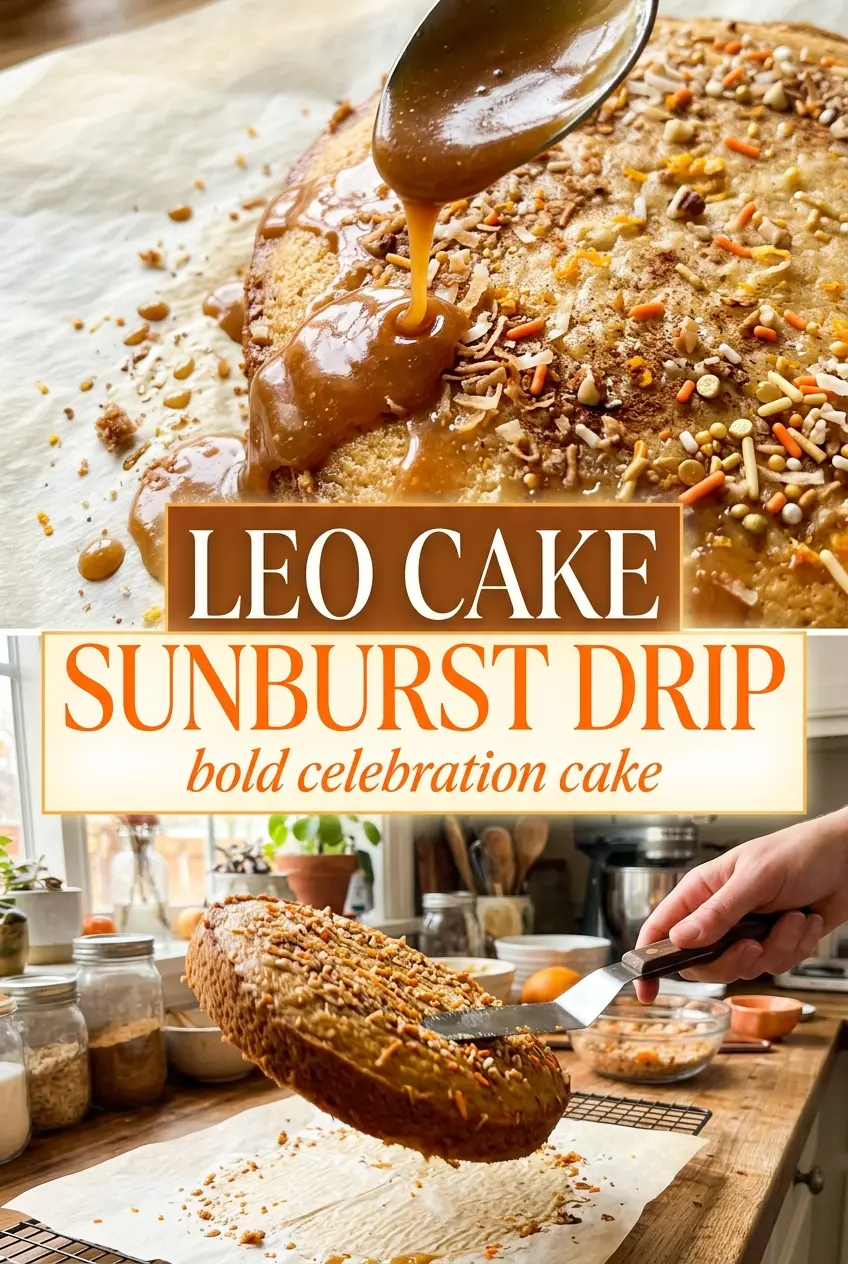
Bake the cakes until a tester comes out with a few moist crumbs, then cool them completely before adding the ganache. If the cake is even slightly warm, the drip softens and slides off instead of staying in those clean ribbons. Let the ganache cool until it thickens enough to coat the back of a spoon, then nudge it over the edge in small amounts for a controlled drip.
Chocolate Ganache with a Citrus Edge
Use the same orange-chocolate drip but add a little extra orange zest if you want the citrus to come through more clearly. The result is brighter and a touch less sweet, which works well if you’re serving the cake after a rich meal.
Dairy-Free Version
Swap the butter for a good plant-based baking stick and use an unsweetened non-dairy milk. The cake will still bake up tender, though the flavor will be a little less rich and the crumb slightly lighter.
Baker’s Chocolate Finish Instead of Drip
If you want a cleaner look, skip the drip and spread the ganache over the top in a smooth layer. You’ll lose the cascading sunburst effect, but the cake slices cleaner and is easier to transport.
Storage and Reheating
- Refrigerator: Store covered for 3 to 4 days. The crumb stays soft, though the ganache will firm up.
- Freezer: Freeze the unfrosted cake layers tightly wrapped for up to 2 months. The finished cake can be frozen, but the drip will lose some shine after thawing.
- Reheating: Let slices sit at room temperature for 20 to 30 minutes before serving. Microwaving warms the ganache unevenly and can make the cake feel gummy.
Questions I Get Asked About This Recipe
Leo Birthday Cake with Sunburst Drip
Ingredients
Equipment
Method
- In a stand mixer, cream the butter and sugar until light and fluffy, about 3–4 minutes, with the paddle on medium speed. Stop to scrape the bowl once for even creaming and a smooth batter.
- Beat in the eggs one at a time, mixing well after each addition, until the batter looks glossy and fully combined. Keep mixing on medium speed for consistent texture.
- Alternate adding the flour and the milk to the batter, starting and ending with flour, and mix just until no dry streaks remain. Use low to medium speed to avoid overmixing so the cake stays tender.
- Preheat to 350°F, then divide the batter between two prepared pans (lined or greased) and bake for 30 minutes. The cakes are ready when the tops spring back lightly and a toothpick in the center comes out with a few moist crumbs.
- Top the cooled cake with the orange chocolate ganache drip, letting it cascade down the sides in thick, sunburst-like lines. Spread any remaining ganache on top so the drip pattern is glossy and bold.