
Golden edges, a tender crumb, and pockets of juicy blueberries give these lavender blueberry tea cakes the kind of quiet charm that keeps people reaching for a second one. The lavender doesn’t hit you like perfume when it’s handled well; it settles in behind the butter and vanilla, turning the cakes fragrant and elegant without tipping into soapiness. Baked in a muffin tin, they come out with crisp tops, soft middles, and just enough structure to dust with powdered sugar and serve with coffee or tea.
The trick is keeping the lavender subtle and grinding it finely before it goes into the batter. Whole buds can feel prickly and uneven, but ground lavender disperses through the cake and gives you a cleaner, more even flavor. The buttermilk brings a gentle tang and helps the crumb stay tender, while the melted-butter sugar wash in the pan creates those glossy, caramel-tinged edges that make these cakes feel special even before the first bite.
Below, I’ve included the small details that matter most: how to keep the lavender from taking over, what to do if you’re using frozen blueberries, and a few swaps that still keep the cakes soft and fragrant.
The lavender stayed delicate and the blueberries baked up juicy instead of sinking, and that buttery edge on the muffin tin cakes was the best part.
Save these lavender blueberry tea cakes for the next brunch when you want something buttery, floral, and pretty enough to serve right from the pan.
The Lavender Ratio That Keeps These Tea Cakes Fragrant, Not Soapy
Lavender is the ingredient that can make or break these cakes. Too little and you lose the point; too much and the whole batch tastes like potpourri. The amount here is restrained on purpose, and grinding the dried buds helps distribute the flavor so it reads as floral and clean instead of sharp or dusty.
The other thing that matters is how the lavender meets liquid. Stirring it into the buttermilk with the vanilla gives the herbs time to soften and bloom before they hit the batter. That short rest makes a difference. If you skip it, you’ll still taste lavender, but it won’t round out the same way.
What Each Ingredient Is Actually Doing in These Cakes
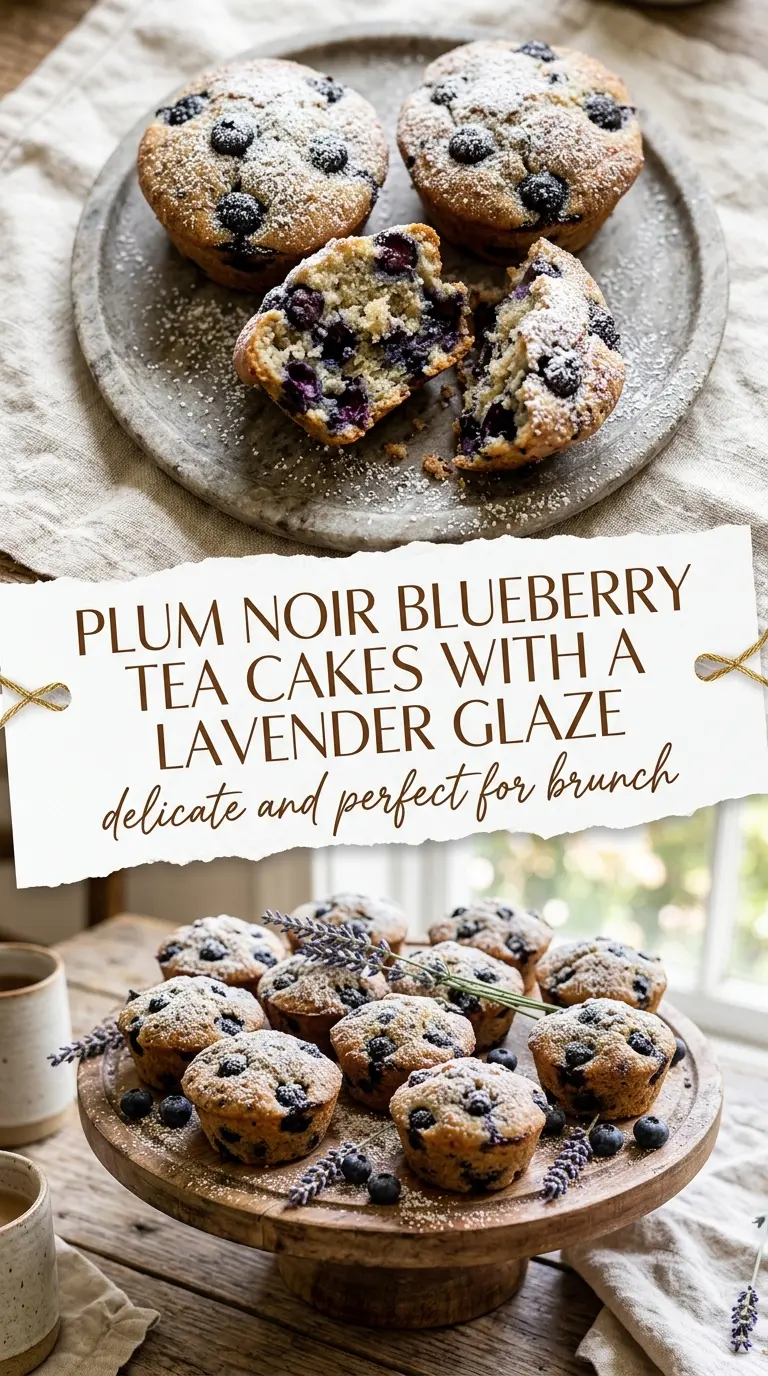
- Dried lavender — Use culinary lavender if you can. It’s milder and cleaner than ornamental buds. Grind it finely in a spice grinder or crush it with a mortar and pestle so you don’t end up with little woody bits in the crumb.
- Buttermilk — This keeps the cakes tender and gives the batter enough acidity to work with the baking soda. If you don’t have it, mix 1/4 cup whole milk with 3/4 teaspoon lemon juice or vinegar and let it sit for 5 minutes. It won’t be exactly the same, but it gets close.
- Butter — Melted butter goes into the pan for those crisp, flavorful edges, then the remaining butter is beaten with sugar for a lighter batter. Use real butter here; margarine won’t give you the same richness or browning.
- Blueberries — Fresh berries hold their shape best, but frozen berries work too if you fold them in straight from the freezer. Don’t thaw them first or they’ll streak the batter and bleed more than you want.
- Eggs — Room-temperature eggs blend more smoothly into the butter mixture and help the batter emulsify. Cold eggs can make the batter look slightly curdled before the flour goes in, which usually smooths out later but isn’t worth the extra hassle.
Building the Batter Without Overmixing It
Coating the Muffin Tin
Whisk the sugar and melted butter together first, then brush it into the muffin cups. That little step gives you a glossy coating that bakes into the edges instead of a dry, floury finish. Use all of it. The leftover butter-sugar mixture is doing the heavy lifting for flavor and color in the pan.
Whipping the Butter and Sugar
Beat the remaining butter and sugar until it turns pale and looks fluffy at the edges of the bowl. That change matters because it traps air, which gives the cakes a lighter crumb. If the mixture still looks dense and grainy, keep going for another minute or two before adding the eggs.
Alternating the Dry and Wet Ingredients
Add the flour mixture and the lavender-buttermilk mixture in turns, mixing just until the batter looks smooth. Overmixing here tightens the crumb and knocks out the air you just worked into the butter. Stop as soon as the flour streaks disappear. The batter should look thick but spoonable, not runny.
Folding in the Blueberries
Fold the berries in at the very end so they stay intact. A few streaks of purple are fine, but if the batter turns blue-green, the berries were handled too aggressively or thawed too much. Divide the batter evenly and bake until the tops spring back lightly and a toothpick comes out with a few moist crumbs, not wet batter.
How to Adapt These Tea Cakes for Different Tables
Dairy-Free Version With a Softer Crumb
Swap the butter for a plant-based butter that comes in sticks and use unsweetened dairy-free milk plus 3/4 teaspoon lemon juice in place of the buttermilk. The cakes will still be tender, but they won’t brown quite as deeply and the edges won’t have the same buttery finish.
Make Them Gluten-Free Without Losing Structure
Use a 1:1 gluten-free baking flour that includes xanthan gum. The batter may need an extra minute or two to fully hydrate, and the crumb will be a touch more delicate, but the cakes should still hold together well in the muffin tin.
Raspberry Swap for a Brighter Tart Edge
Raspberries can replace the blueberries one-for-one. They break down more easily, so fold them in with a lighter hand and expect more marbling in the batter. The tartness plays nicely with the lavender, but the cakes will feel a little softer and more jammy.
Storage and Reheating
- Refrigerator: Store in an airtight container for 3 days. The powdered sugar will soften, but the cakes stay tender.
- Freezer: Freeze without the powdered sugar for up to 2 months. Wrap individually so they don’t pick up freezer odors, then thaw at room temperature.
- Reheating: Warm a cake for 10 to 15 seconds in the microwave or a few minutes in a low oven. Too much heat dries out the crumb, so stop as soon as it’s no longer cold in the center.
Questions I Get Asked About This Recipe
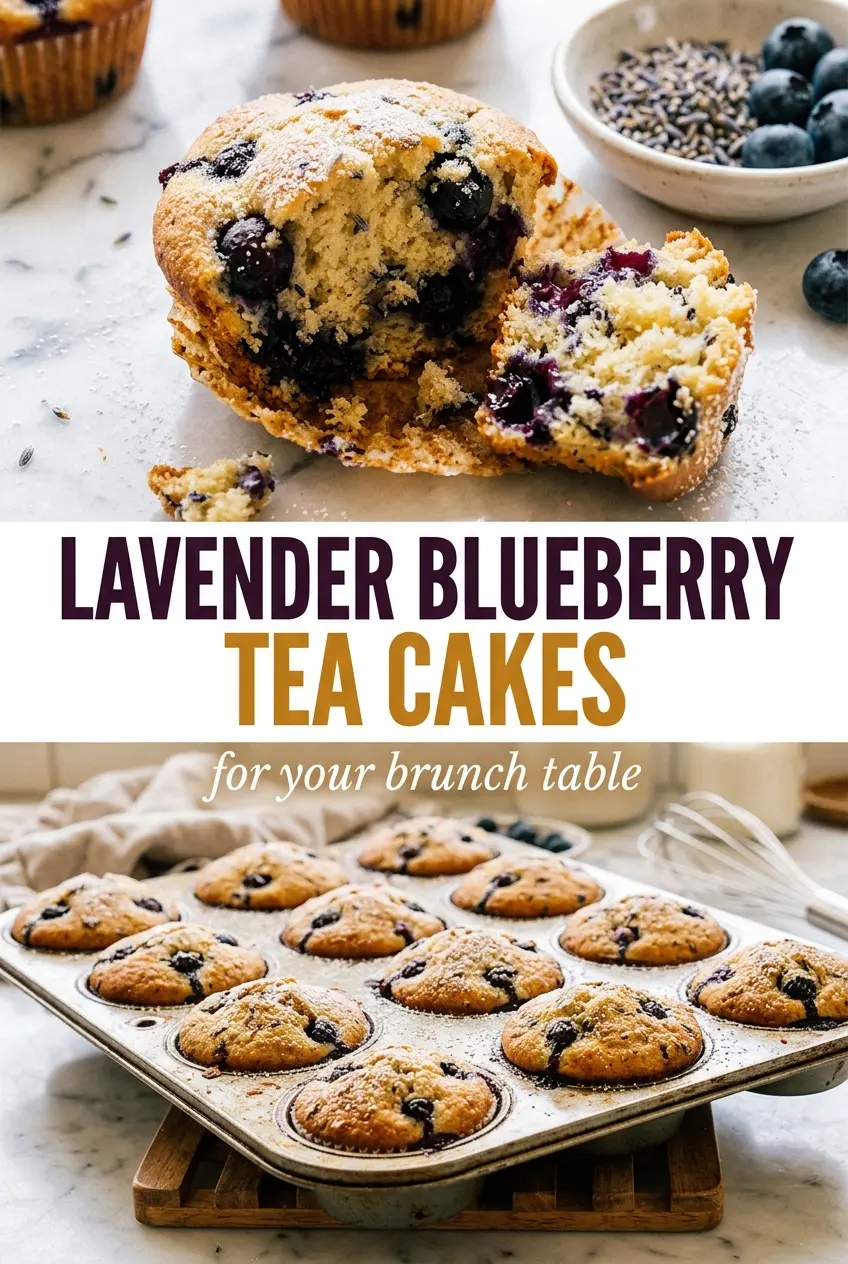
Lavender Blueberry Tea Cakes
Ingredients
Equipment
Method
- Adjust the oven rack to the lower-middle position and heat the oven to 325°F (163°C), for even browning.
- Whisk 2 tablespoons of granulated sugar and melted unsalted butter together, then brush the mixture into a 12-cup muffin tin for a buttery base.
- Whisk together all-purpose flour, salt, baking powder, and baking soda in a bowl until evenly combined.
- Grind the dried lavender, then whisk it into buttermilk and vanilla extract in a small bowl.
- Beat the remaining melted unsalted butter and granulated sugar until pale and fluffy, about 1 minute, then add the eggs one at a time.
- Alternate adding the flour mixture and buttermilk mixture, mixing until smooth for a tender crumb.
- Fold in the blueberries, divide the batter among the muffin cups, and bake for 20 to 22 minutes at 325°F until the tops are lightly golden and spring back.
- Cool the tea cakes before dusting with powdered sugar so the coating stays soft and doesn’t melt in.