
Golden edges, crisp-tender bites, and bright colors on the table are what make easy summer side dishes worth repeating all season long. The best ones don’t sit around tasting like an afterthought. They bring contrast: a little char, a little sweetness, a little salt, and enough texture to keep each bite interesting from start to finish.
What makes this kind of side dish work is balance. Fresh vegetables need enough heat to caramelize, but not so much that they go soft and watery. A good seasoning layer matters more than a long ingredient list, and that’s where the flavor really comes from. When you prep the ingredients ahead and cook them in the right order, the whole dish lands with that just-made taste people notice right away.
Below, you’ll find the technique that keeps the vegetables from steaming, a few smart swaps for different diets, and the storage notes that help with leftovers if you’re planning ahead.
The vegetables kept their bite and the edges got those deep golden spots instead of turning soggy. I served it with grilled chicken and my husband went back for seconds before he even touched the main dish.
Save these easy summer side dishes for the nights when you need golden, colorful vegetables on the table fast.
The Real Reason Summer Sides Turn Limp Instead of Crisp
The biggest mistake with seasonal side dishes is crowding the pan. When vegetables sit too close together, they release moisture and steam instead of browning. That’s how you end up with soft onions, pale zucchini, or tomatoes that collapse before they ever pick up color. Give them space and enough heat, and you get the kind of edges that taste like the pan did half the work for you.
Seasoning matters at the end too. Salt pulls out moisture, so if you add it too early to delicate vegetables, they can slump before they’ve had a chance to color. A smarter approach is to start with oil and heat, then finish with salt, acid, or herbs once the texture is where you want it.
- Too much pan coverage — overlap steals browning and gives you a softer result.
- High-moisture vegetables — they need enough heat to drive off water before they can caramelize.
- Finishing acid — a squeeze of lemon or splash of vinegar wakes the whole dish up after cooking.
What Each Ingredient Is Actually Doing in This Dish
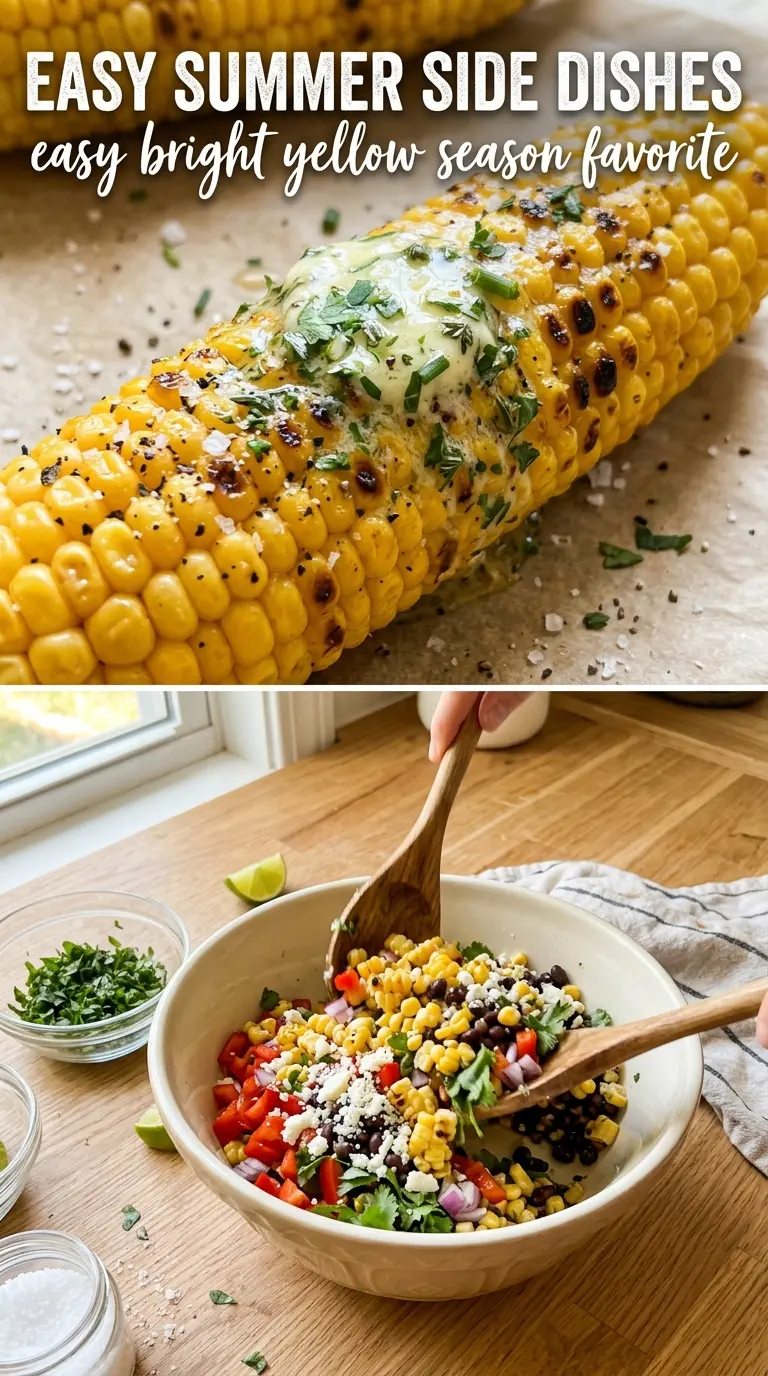
The ingredient list for this kind of side dish is usually simple, but each piece has a job. The vegetables bring color and texture, the oil carries the heat and helps the edges brown, and the seasoning gives you the final lift that keeps the dish from tasting flat. If you swap in whatever you have without thinking about moisture and cooking time, the texture can slide fast.
- Sturdy summer vegetables — choose vegetables that can handle direct heat without collapsing. Zucchini, peppers, onions, corn, and green beans all behave differently, so cut them into sizes that let them finish at roughly the same time.
- Olive oil — this is what helps the surfaces bronze instead of dry out. A neutral oil works if that’s what you have, but olive oil adds a fuller finish.
- Fresh herbs — add them at the end so they stay bright. Dried herbs can work in a pinch, but use less and expect a softer, less vivid flavor.
- Acid — lemon juice or a light vinegar finish keeps the dish from tasting heavy. It’s one of the easiest upgrades if your vegetables taste flat after cooking.
Getting the Color Without Turning the Vegetables to Mush
Start with the Pieces That Need the Longest Heat
Cut the firmer vegetables smaller and the softer ones larger so they finish together. If everything goes in at the same size, the tender pieces overcook while the sturdier ones stay underdone. The goal is to see deep color on the edges while the centers still hold their shape. If the pan starts to look crowded, cook in two batches instead of pushing through with a steam bath.
Let the Pan Do the Browning
Spread the vegetables into a single layer and leave them alone long enough to sear. If you stir constantly, they never settle onto the hot surface and the sugars can’t caramelize. You want to hear a steady sizzle, not a wet hiss. If the sound drops off, the pan is overloaded or the heat is too low.
Finish With the Bright Stuff Last
Add herbs, citrus, or a final seasoning adjustment right at the end. That last layer is what makes the dish taste alive instead of cooked out. If you season too early, some of the brightness disappears into the heat. Taste once the vegetables are off the burner, then adjust while they’re still hot.
How to Adapt This for Different Tables and Diets
Make it dairy-free without losing richness
Skip any butter or cheese finish and lean on olive oil, toasted nuts, or a sprinkle of flaky salt instead. The vegetables will still taste full if you finish with acid and herbs. You lose the creaminess, but you keep the clean, bright bite that makes this dish work.
Swap in whatever vegetables are actually in the fridge
This works best when you group vegetables by how fast they cook. Toss in mushrooms or zucchini later, start carrots or potatoes earlier, and keep an eye on moisture. The flavor stays flexible, but the timing needs to match the texture of what you use.
Add protein and turn it into a full meal
Toss in cooked chicken, shrimp, or white beans at the end so they warm through without overcooking. That keeps the vegetables crisp and prevents the dish from getting heavy. Beans make the most natural vegetarian upgrade if you want more substance.
Storage and Reheating
- Refrigerator: Store leftovers in an airtight container for up to 4 days. The vegetables will soften a bit, but the flavor stays good.
- Freezer: This isn’t the best freezer dish. The texture turns soft after thawing, especially if the vegetables were already tender when cooked.
- Reheating: Warm in a skillet over medium heat until hot, or use a 375°F oven for a few minutes to bring back some edge. The mistake is microwaving too long, which pushes the vegetables straight into mush.
Answers to the Questions Worth Asking

Easy Summer Side Dishes
Ingredients
Equipment
Method
- Heat oven to 425°F. Toss baby potatoes, zucchini, red bell pepper, and cherry tomatoes with olive oil, 1 tsp salt, black pepper, garlic powder, and oregano, then spread on a sheet pan for golden edges.
- Roast 25–35 minutes, stirring once at the 15–20 minute mark, until potatoes are tender and the vegetables are browned at the edges; keep an eye for caramelized spots.
- Drizzle balsamic vinegar and honey over the hot vegetables, then return to the oven for 2–3 minutes so the glaze clings lightly and turns glossy.
- Remove from the oven and drizzle lemon juice over everything while still hot to add brightness.
- Toss with chopped basil and taste, adjusting salt and pepper as needed before serving.