
Cherry tomato and feta baked pasta lands on the table with a sauce that tastes like you spent far more time on it than you did. The tomatoes collapse into something sweet and jammy, the feta softens into a salty cream, and the whole dish clings to the pasta in a way that feels rich without needing a separate sauce pot. It’s the kind of dinner that disappears fast because every bite has that mix of tangy, savory, and just-barely-caramelized edges.
The trick is giving the tomatoes enough room to burst instead of steam. A block of feta works better than crumbled feta here because it holds its shape long enough to turn creamy in the oven, then melts into the tomatoes when you mash everything together. Pasta water matters too. That starch helps the sauce loosen and coat instead of turning thick and pasty.
Below you’ll find the small details that make this work, from the right baking dish to the amount of pasta water that gives you a silky finish. There’s also a simple swap for turning it gluten-free without changing the spirit of the dish.
The tomatoes burst down into a really silky sauce and the feta melted in so smoothly. I added a little extra pasta water at the end and it coated every noodle perfectly without getting heavy.
Save this cherry tomato and feta baked pasta for the nights when you want a creamy, bursting-with-tomato sauce and almost no cleanup.
The Real Reason the Tomatoes Need Space to Burst
If the tomatoes are packed too tightly, they steam instead of collapse, and that’s where this dish goes flat. You want the heat around each tomato so the skins split, the juices pool, and a little edge caramelization starts to happen on the exposed ones. That’s what gives the sauce its sweetness and depth.
The feta also needs direct heat, but not too much. In a block, it softens from the outside in and turns spoonable without drying out. Crumbled feta melts unevenly and can go grainy before the tomatoes are ready, which is why this dish depends on the block.
- Cherry tomatoes — Small tomatoes burst faster and more evenly than larger ones. If yours are on the softer side already, shorten the bake by a few minutes so they don’t collapse into watery skins.
- Block feta — Use a block packed in brine if you can. It melts into a creamier sauce than pre-crumbled feta, which often contains anti-caking agents that keep it from smoothing out fully.
- Olive oil — This is the fat that carries the garlic and oregano and helps the tomatoes blister instead of dry out. A decent everyday olive oil is fine here; you don’t need your most expensive bottle.
- Pasta water — The starch is what turns the tomato-feta mash into a proper sauce. If you forget to reserve some, a splash of hot water works in a pinch, but it won’t cling quite as well.
What Each Ingredient Is Doing in the Dish
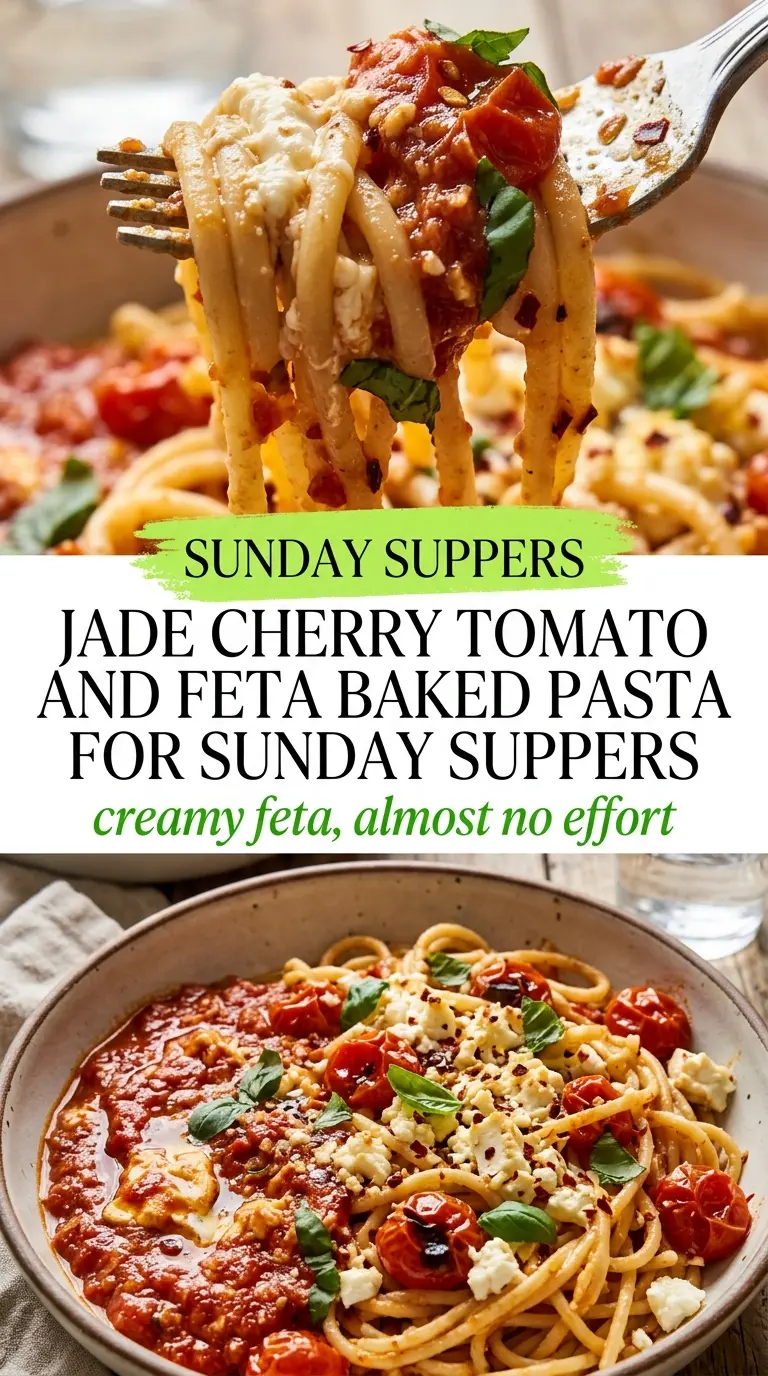
Cherry tomatoes are the backbone of the sauce. They bring sweetness, acidity, and enough juice to loosen the feta once everything is mashed together. If cherry tomatoes are out of season and taste flat, add a pinch of sugar only if needed; the oven will still do most of the work.
Feta gives the dish its salt and body. Use block feta rather than pre-crumbled for the smoothest result. If you need a dairy-free version, a vegan feta-style block works better than a spread because it can soften in the oven without disappearing completely.
Garlic and oregano build the savory base. Minced garlic perfumes the oil as it bakes, while oregano keeps the sauce from tasting one-note. Fresh oregano works too, but use less because it can get sharper in the heat.
Pasta matters more than people think here. Shapes with ridges or hollows catch the sauce best, so rigatoni, shells, or fusilli are all strong choices. Long pasta works, but you’ll need to toss more carefully so the sauce doesn’t gather at the bottom of the bowl.
Building the Sauce After the Bake
Getting the Tomatoes and Feta Into the Right State
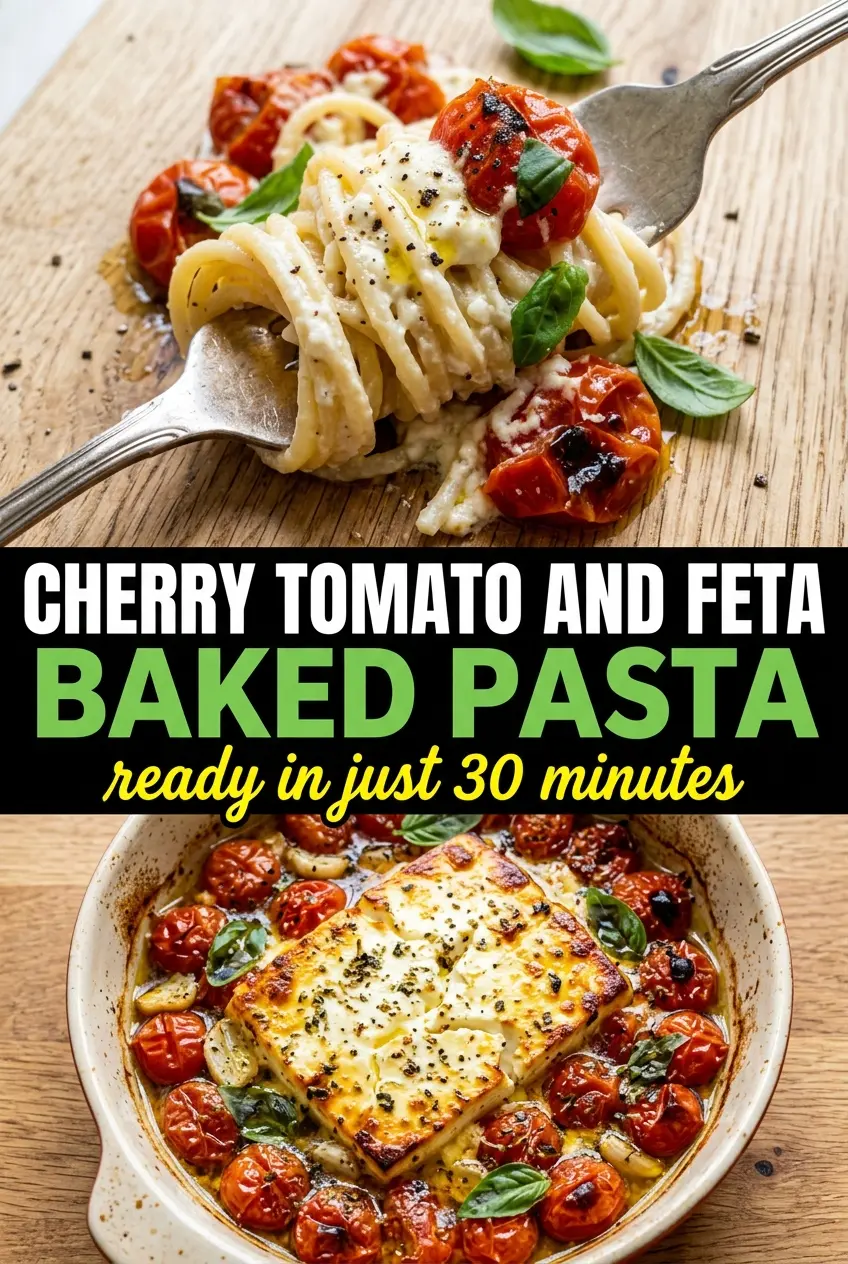
Bake until the tomatoes have burst, their skins look wrinkled, and the feta is soft at the edges with a little golden color on top. If the cheese still looks firm in the center, give it a few more minutes. The goal is softness, not browning so deep that the feta turns dry.
Mashing Without Making It Thin
Use a spoon or fork to press the tomatoes and feta together right in the baking dish. You want a chunky, rustic sauce at first, not a puree. If there’s a lot of liquid, that’s normal; the pasta will absorb some and the rest becomes part of the coating once you add the starch water.
Tossing in the Pasta Water the Right Way
Add the cooked pasta, then splash in the reserved water a little at a time while tossing. The sauce should go from thick and clumpy to glossy and loose enough to slide between the pasta ridges. If it looks broken or dry, it usually needs another spoonful of hot pasta water and a good toss, not more cheese.
How to Make It Gluten-Free
Use your favorite gluten-free pasta, but cook it just to al dente or even a minute under. Gluten-free noodles can soften fast once they hit the hot tomato-feta sauce, and they’ll keep absorbing liquid as they sit.
Making It a Little More Vegetal
Toss in a few handfuls of baby spinach or chopped zucchini after the tomatoes and feta come out of the oven. Spinach wilts from the heat of the sauce, and zucchini adds bulk without changing the basic flavor.
Adding Protein Without Overcomplicating It
Stir in cooked chicken, white beans, or chickpeas at the end. Beans keep the dish vegetarian and soak up the salty tomato sauce well, while chicken turns it into a fuller dinner without needing a second pan.
Storage and Reheating
- Refrigerator: Store leftovers for up to 4 days. The sauce will thicken as it chills, which is normal.
- Freezer: It freezes, but the feta texture gets a little grainy after thawing. If you do freeze it, cool it completely first and store it in an airtight container for up to 2 months.
- Reheating: Warm it gently on the stove or in the microwave with a splash of water to loosen the sauce. High heat can make the feta seize up and turn the pasta dry before the center is hot.
Answers to the Questions Worth Asking
Cherry Tomato and Feta Baked Pasta
Ingredients
Equipment
Method
- Preheat the oven to 400°F.
- Place cherry tomatoes and the block of feta in a baking dish, drizzle with olive oil, and season with minced garlic, dried oregano, salt, and pepper.
- Bake for 25–30 minutes, until the tomatoes burst and the feta is soft and golden, with bubbling around the edges.
- Meanwhile, cook the pasta according to package directions until al dente, then reserve 1/2 cup pasta water.
- Mash the feta and tomatoes together, then toss with the cooked pasta and a splash of pasta water until creamy and evenly coated.
- Top with fresh basil before serving, for bright green specks and a fresh aroma.