
Fluffy quinoa, caramelized squash, tart cranberries, and toasted pepitas make this salad feel hearty enough to stand on its own. The best part is the contrast: sweet roasted edges on the squash, a clean citrusy dressing, and just enough chew from the quinoa to keep every bite interesting. It lands in that sweet spot where a grain salad feels fresh, but not flimsy.
What sets this version apart is the way each piece is handled before it gets tossed together. The squash is roasted until the edges brown and the centers turn soft, which gives the salad actual depth instead of a pile of pale cubes. The quinoa gets cooked in vegetable broth, so it tastes seasoned all the way through instead of like a blank base waiting for dressing. A quick vinaigrette with orange juice and apple cider vinegar pulls the whole bowl together without weighing it down.
Below, you’ll find the small details that matter most: how to keep the quinoa light, how to roast the squash so it caramelizes instead of steaming, and the easiest way to adapt this salad for different diets or make-ahead lunches.
The squash got those caramelized edges and the quinoa stayed fluffy, not mushy. I ate it warm the first night and cold for lunch the next day, and the orange vinaigrette held up perfectly.
Save this butternut squash quinoa salad for a bright, make-ahead meal with roasted squash, tart cranberries, and a citrus vinaigrette.
The Trick to Keeping Quinoa Light Instead of Dense
Quinoa turns heavy when it is under-rinsed or stirred too aggressively after cooking. That dusty coating on the outside is what gives it a bitter edge, and too much handling breaks up the grains and makes the salad feel pasty. A good rinse and a quick fluff with a fork are enough. After that, let the quinoa cool just until it is warm, not steaming hot, so it can absorb the vinaigrette without turning gummy.
The other place this salad can go wrong is the squash. If the pan is crowded, the cubes steam and soften, but they never get those browned, slightly sticky edges that make the whole dish taste finished. Spread them out in a single layer and roast them until the surfaces are deeply golden and the centers yield when pierced.
What Each Ingredient Is Actually Doing in This Dish
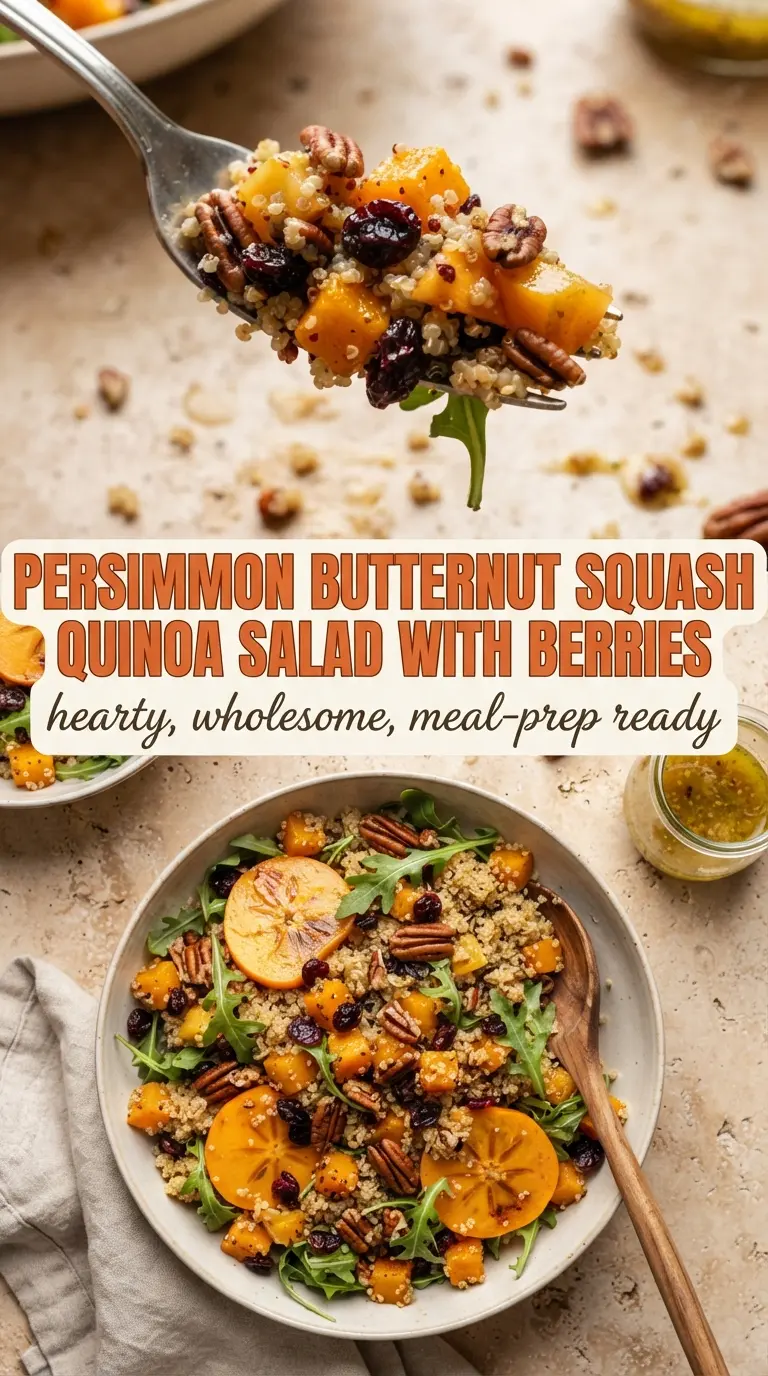
- Quinoa — This is the base that makes the salad filling enough to eat as a main dish. Rinsing matters here because it removes bitterness, and cooking it in vegetable broth gives the grains more depth than plain water ever will. If you need a swap, try farro or couscous, but both change the texture and make the salad less light.
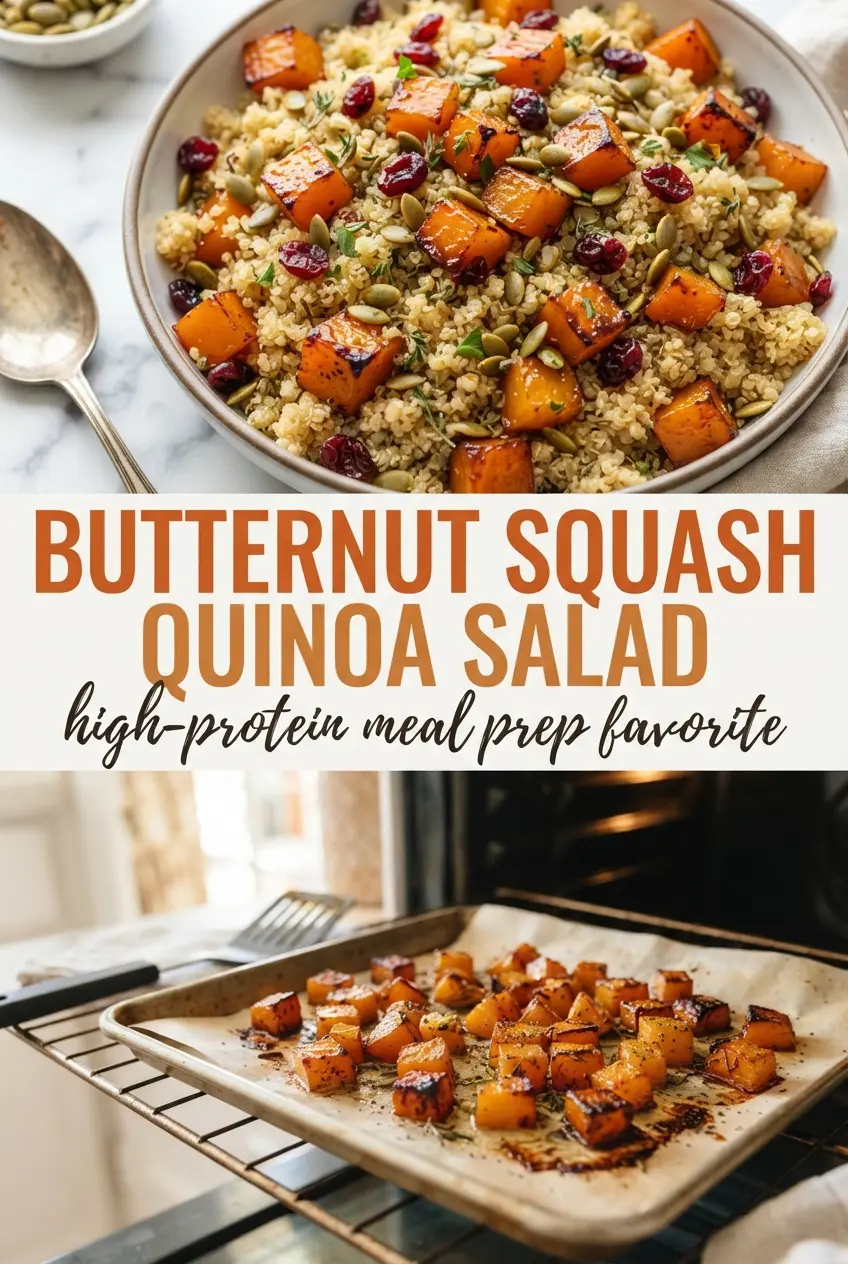
- Butternut squash — Roasting is what turns the squash from soft to memorable. It needs high heat so the natural sugars caramelize; boiling or steaming will leave it flat and wet. If you buy pre-cut squash, cut the pieces down to a similar size so they roast at the same pace.
- Dried cranberries — These bring the tart-sweet pop that keeps the salad from tasting one-note. You can use chopped dried cherries if that is what you have, but cranberries are a little brighter and sharper here. If your dried fruit is very dry, let it sit in the vinaigrette for a few minutes before tossing so it plumps slightly.
- Pepitas — They add crunch and a nutty finish right at the end. Toasting them first is worth the extra minute because raw pepitas taste dull in a salad like this. Sunflower seeds work in a pinch, but pepitas have the best flavor match with the squash.
- Orange juice and apple cider vinegar — This is the dressing’s balance point. The orange brings sweetness and lift, while the vinegar keeps it from turning syrupy. Use fresh orange juice if you can; bottled juice tends to taste flat and muddy against the roasted squash.
- Olive oil — One part coats the squash for roasting, and one part rounds out the vinaigrette. A decent extra-virgin oil matters more in the dressing than on the squash, where the oven does most of the heavy lifting.
The 20 Minutes That Matter Most
Roasting the Squash Until It Browns
Toss the squash with olive oil, salt, and pepper, then spread it on a sheet pan with a little breathing room around each piece. Roast at 425°F until the edges are browned and the centers are tender enough to cut with the side of a fork. If the squash is pale and soft, it will disappear into the salad instead of standing out. Pull it when the edges look a little deeper than you think they should; that extra color is where the flavor lives.
Cooking the Quinoa So It Stays Separate
Cook the quinoa in vegetable broth according to the package directions, then let it sit off the heat for a few minutes before fluffing. If you stir it too soon or too hard, the grains break down and the salad gets heavy. The finished quinoa should look light and a little glossy, with no liquid pooled at the bottom of the pot. Fluff it, then spread it on a plate or tray if you want it to cool faster.
Whisking the Dressing and Tossing at the End
Whisk the orange juice, olive oil, and apple cider vinegar until the dressing looks unified and slightly opaque. That quick emulsion helps it coat the grains and squash evenly instead of slipping to the bottom of the bowl. Toss everything gently, especially after the pepitas go in, so the roasted squash holds its shape. Taste it after it sits for a minute; quinoa absorbs seasoning fast, and a pinch of salt at the end can wake the whole bowl up.
How to Adapt This for Lunches, Larger Batches, or a Dairy-Free Table
Make it vegan and naturally dairy-free
This salad already fits a dairy-free table as written, which is part of why it works so well for mixed diets. The olive oil dressing keeps it rich enough without needing cheese or yogurt, and the squash adds enough body to carry the bowl. If you want a little more contrast, add chopped parsley or a handful of arugula right before serving.
Turn it into a fuller main dish
Add chickpeas, white beans, or cubed roasted chicken if you want more protein. Chickpeas keep it vegetarian and pick up the vinaigrette well, while chicken makes the salad feel like a complete meal without changing the flavor balance. Add the extra protein after the quinoa has cooled a bit so it stays intact instead of breaking apart.
Use sweet potato when squash is hard to find
Sweet potato is the closest swap, and it gives a similar soft-sweet bite with good roasted edges. Cut it into smaller cubes than you would for squash so it cooks through at the same pace. The salad will taste a little earthier and less delicate, but the vinaigrette and cranberries still keep it bright.
Storage and Reheating
- Refrigerator: Keeps well for 4 days. The quinoa stays pleasant, though the pepitas soften a little over time.
- Freezer: Not a great freezer salad. The squash and quinoa both lose some of their texture after thawing, and the cranberries can get odd and chewy.
- Reheating: Eat it cold, or warm it gently in the microwave just until the chill comes off. If you reheat it too long, the squash turns mushy and the vinaigrette tastes dull.
Answers to the Questions Worth Asking
Butternut Squash Quinoa Salad with Cranberries
Ingredients
Equipment
Method
- Heat oven to 425°F. Toss butternut squash cubes with 2 tbsp olive oil, salt, and pepper, then spread on a sheet pan in a single layer.
- Roast at 425°F for 20-25 minutes, stirring once halfway, until caramelized and tender. Transfer to a bowl to cool slightly.
- Bring vegetable broth to a simmer in a pot. Cook quinoa according to package directions, then fluff with a fork.
- Whisk orange juice, 1 tbsp olive oil, and apple cider vinegar together in a small bowl until combined. Taste and adjust with salt and pepper if needed.
- In a large bowl, combine cooked quinoa, roasted squash, dried cranberries, and toasted pepitas. Fold gently to distribute the toppings evenly.
- Drizzle vinaigrette over the salad and toss gently before serving. Let it sit 5 minutes if you want the quinoa to absorb more flavor.