
Buffalo chicken sliders disappear fast because they hit every craving at once: spicy, creamy, salty, and soft with a buttery top that cracks a little when you pull them apart. The filling stays juicy instead of dry, the cheese melts into the chicken so each bite holds together, and the rolls bake up golden without turning tough. They work just as well for a game day spread as they do for a casual dinner when you want something that feels fun without a lot of fuss.
The part that makes these better than a lot of slider recipes is the balance in the filling. Buffalo sauce brings the heat, ranch smooths it out, and mozzarella gives you that stretchy, melty layer that keeps everything from slipping out of the rolls. Baking the chicken mixture under a top bun and over a bottom layer of cheese also helps the sliders stay cohesive, so you can slice them cleanly instead of ending up with a messy pile on the pan.
Below you’ll find the small details that matter most: how to keep the rolls from getting soggy, when to add the cheese for the best melt, and a few smart swaps if you want to change up the heat or make the batch work for different eaters.
The chicken stayed juicy and the rolls toasted up beautifully without getting soggy. I made them for kickoff and they were gone before halftime.
These buffalo chicken sliders are the kind of baked sandwich you’ll want on repeat when you need spicy, creamy layers and a golden buttery top.
The Trick to Keeping Buffalo Sliders from Going Soggy
Buffalo chicken sliders get mushy when the sauce sits directly against soft rolls for too long, especially if the chicken is hot and the bread is delicate. The fix is to use the cheese as a buffer and assemble the sliders in layers that protect the bread: bottom rolls, a little cheese, saucy chicken, more cheese, then the top rolls. That extra cheese isn’t just there for flavor. It catches some of the sauce as it melts, which helps hold the filling together and keeps the bottoms from soaking through.
Another thing that matters here is the chicken texture. Shredded chicken that’s too fine can turn pasty once it’s mixed with sauce and ranch, while larger shreds keep a better bite. If your chicken is freshly cooked, let it cool for a few minutes before tossing it with the sauce so it doesn’t release a puddle of steam into the pan.
What the Buffalo Sauce, Ranch, and Cheese Are Each Doing
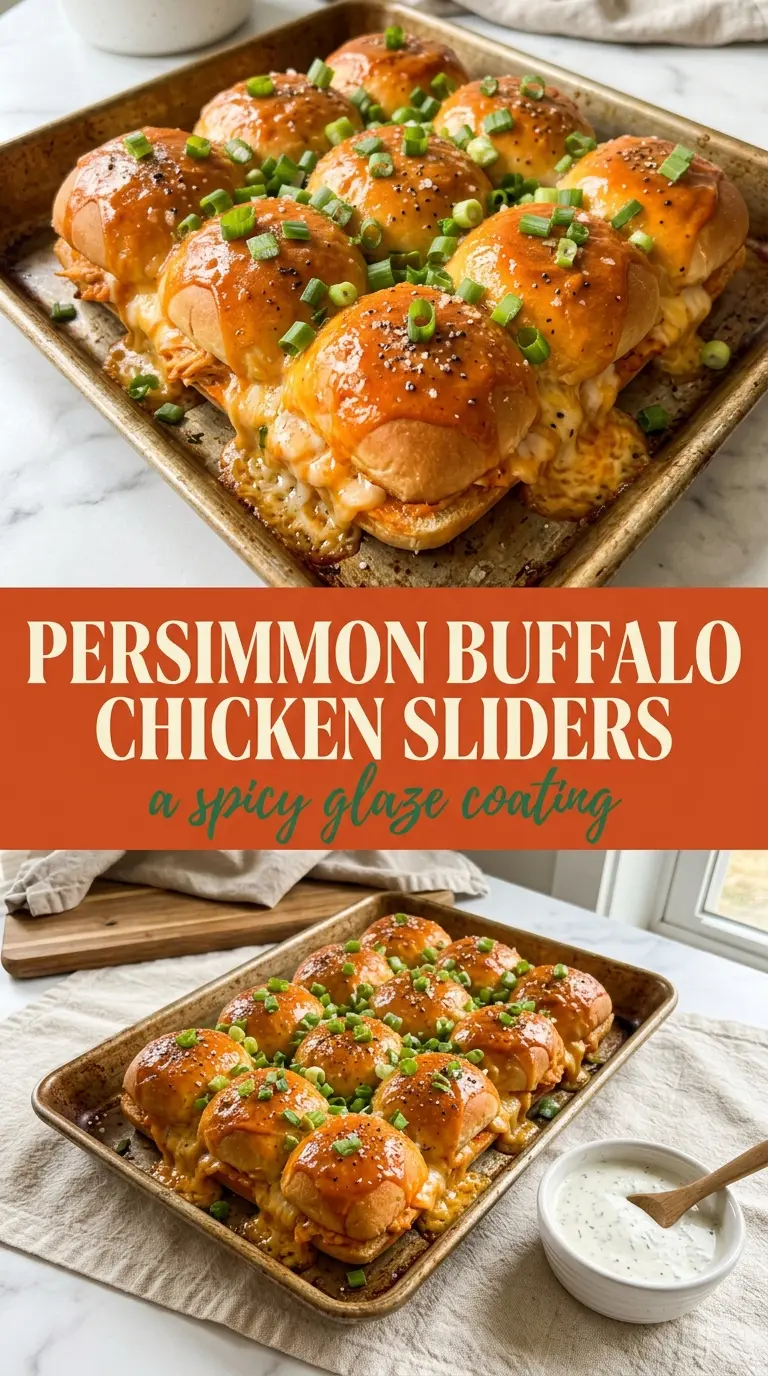
- Shredded chicken — Use cooked chicken that still has some texture, not ultra-fine strings. Rotisserie chicken works well here because it shreds into moist, sturdy pieces, and that matters once the sauce goes in. If you cook chicken specifically for this recipe, season it lightly so the buffalo sauce still leads.
- Buffalo sauce — This is the backbone of the filling, so choose one you already like on its own. A hotter sauce will read hotter after baking, and a milder one will give you more of that tangy, buttery buffalo flavor without too much burn. If all you have is hot sauce, mix in a little melted butter to round it out.
- Ranch dressing — Ranch softens the sharp edges of the buffalo sauce and keeps the filling creamy instead of dry. A thicker ranch works better than a thin pourable one because it clings to the chicken and helps the mixture stay put. You can swap in blue cheese dressing if you want a stronger, saltier finish.
- Mozzarella cheese — Mozzarella gives you a clean melt and those stretchy layers that make the sliders pull apart nicely. Cheddar will taste sharper and a little greasier, while mozzarella stays mild and helps the filling stay cohesive. Shred it yourself if you can; pre-shredded cheese doesn’t melt quite as smoothly.
- Hawaiian rolls — The slight sweetness plays well against the buffalo heat, and the soft texture bakes into a tender top and bottom without fighting the filling. Other soft dinner rolls work, but you’ll lose some of that sweet-salty contrast. Slice them in one sheet so the sliders assemble and serve cleanly.
Building the Sliders So the Tops Bake Golden and the Filling Stays Hot
Coating the Chicken Evenly
Mix the shredded chicken with the buffalo sauce and ranch until every piece looks glossy and coated. You want the chicken saucy, but not swimming, or the rolls will soften too quickly. If the mixture looks loose, add a bit more chicken rather than more dressing. The filling should mound on a spoon and hold its shape long enough to spread it into the pan.
Layering the Cheese Under and Over the Filling
Start with the bottom rolls, then add half the cheese before the chicken. That first layer melts into the bread and creates a barrier that helps protect the rolls from the sauce. After the chicken goes in, add the remaining cheese so the top half sticks to the filling instead of sliding around after baking. The goal is a cohesive slab you can slice after it rests for a minute.
Butter Brush and Bake Time
Brush the tops with melted butter and Italian seasoning right before baking so the rolls pick up color and the seasoning doesn’t burn. Bake until the tops are deep golden and the cheese is fully melted, not just warm. If the tops brown too quickly before the center is hot, cover the pan loosely with foil for the last few minutes. Let the sliders sit briefly before cutting so the cheese settles instead of spilling out.
Three Ways to Adjust These Buffalo Chicken Sliders
Make Them Less Spicy Without Losing the Buffalo Flavor
Use a milder buffalo sauce and keep the ranch in the filling. If you want even more heat control, cut the buffalo sauce with a little melted butter before tossing it with the chicken. The result is still tangy and savory, just with a softer finish that works better for mixed crowds.
Swap in Blue Cheese for a Sharper Finish
Replace the ranch with blue cheese dressing if you want that classic buffalo-wing taste. Blue cheese brings more bite and salt, so the sliders taste bolder and a little less creamy. It’s a good move when you want the filling to taste more like game-day wings in slider form.
Gluten-Free Version That Still Holds Together
Use your favorite gluten-free slider rolls and watch the bake time closely, since some GF rolls brown faster or dry out sooner than Hawaiian rolls. Keep the filling as written, because the sauce-and-cheese layer helps protect the bread either way. The texture won’t be identical, but you can still get a soft, cohesive slider with a good baked top.
Use Turkey or Leftover Chicken
Shredded turkey works almost exactly the same way, especially after a holiday meal when you want something different from another sandwich. Leftover chicken is perfect here as long as it isn’t heavily seasoned with something that fights the buffalo sauce. The filling reheats through in the oven, so this is a smart way to use cooked meat that needs a second life.
Storage and Reheating
- Refrigerator: Store leftovers covered for up to 3 days. The rolls will soften a little, but they still hold up well once reheated.
- Freezer: These freeze best before baking. Wrap the assembled sliders tightly, freeze, then bake from thawed for the cleanest texture; fully baked sliders can freeze, but the bread gets a little wetter after thawing.
- Reheating: Warm in a 325F oven, covered loosely with foil, until the center is hot and the cheese melts again. The common mistake is blasting them in the microwave, which makes the rolls chewy and the filling unevenly hot.
Questions I Get Asked About This Recipe
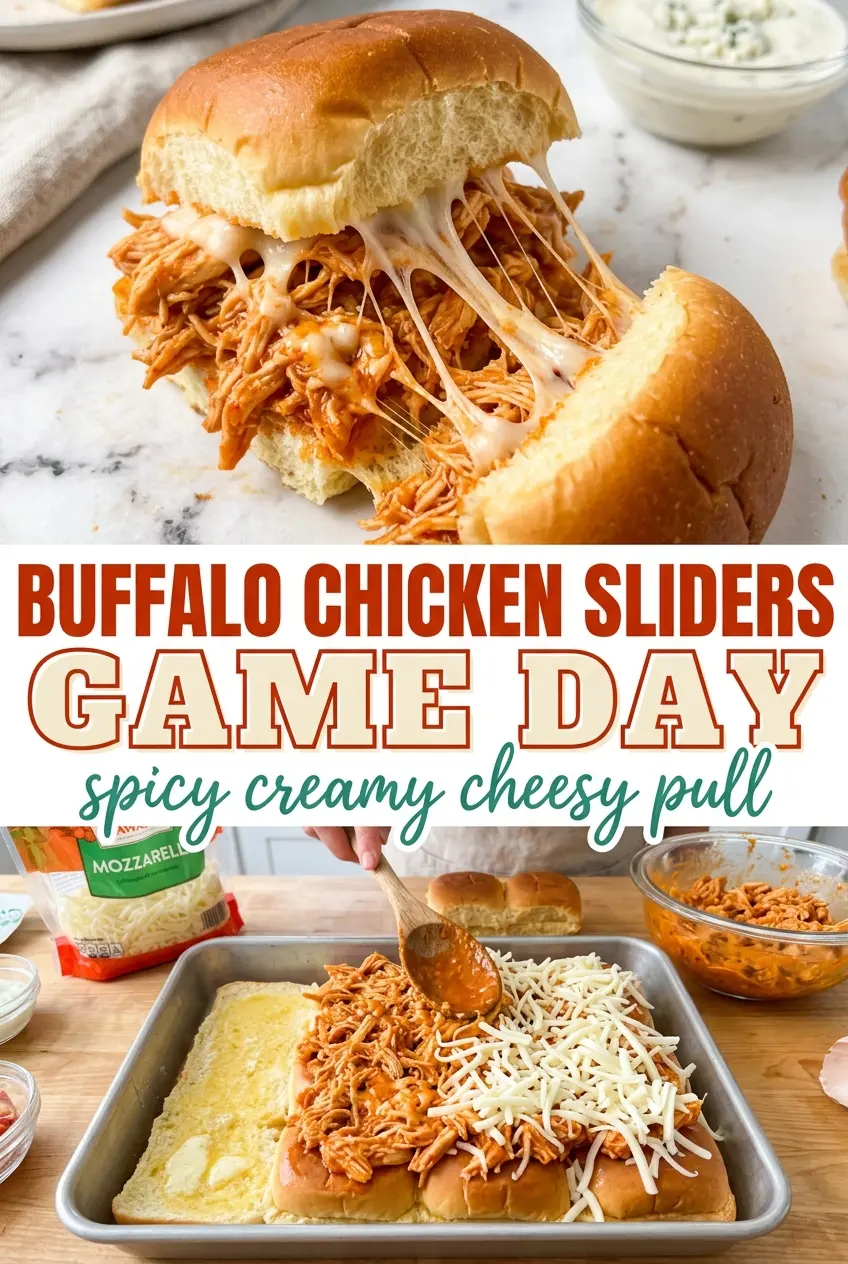
Buffalo Chicken Sliders
Ingredients
Equipment
Method
- Preheat the oven to 350F and grease a 9x13-inch baking dish.
- In a bowl, toss the shredded chicken with the buffalo sauce and ranch dressing until well coated.
- Place the bottom half of the Hawaiian rolls in the prepared baking dish and sprinkle with half the mozzarella cheese.
- Top the cheese with the buffalo chicken mixture, then sprinkle with the remaining mozzarella cheese.
- Place the top half of the Hawaiian rolls over the filling.
- Brush the tops with melted butter and sprinkle with Italian seasoning.
- Bake for 20-25 minutes at 350F, until the cheese is melted and the rolls are golden and heated through, with a visible melted-cheese layer.
- Garnish with chopped green onions before slicing into individual sliders.