
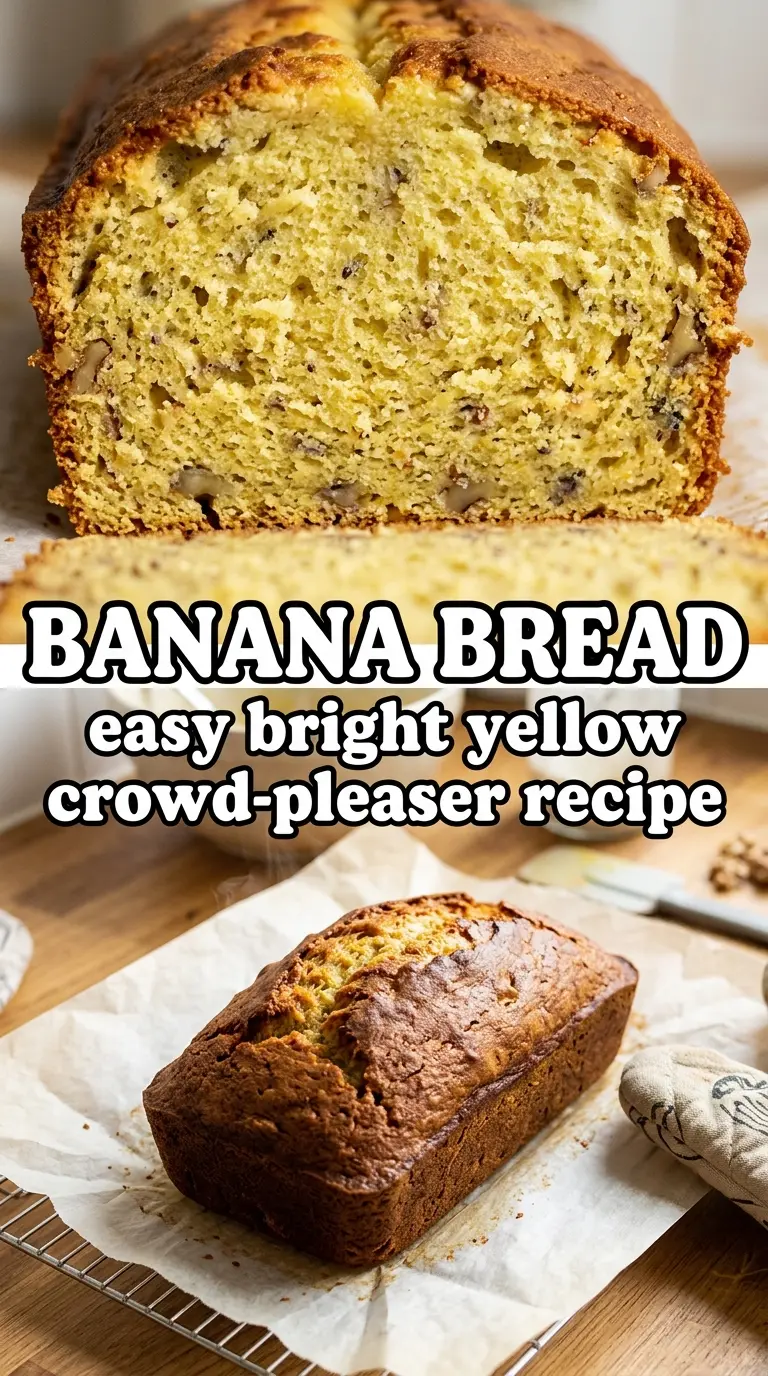
Banana bread earns its place because it gives you a soft, tender crumb with a deep banana flavor and a caramelized top that cracks just enough when you slice into it. The best loaves don’t taste like sweetened cake pretending to be breakfast. They taste like ripe bananas did all the heavy lifting, with just enough sugar and fat to keep the texture moist without turning gummy.
The trick is using bananas that are past the point of eating out of hand. The peels should be heavily speckled or nearly black, because that’s where the flavor gets rich and the natural sweetness shows up. I also prefer mashing them with a few small chunks left behind instead of pureeing them smooth, so the bread bakes up with little pockets of banana and a more honest crumb. Overmixing is the other place people lose it. Once the flour goes in, stop as soon as the batter comes together.
Below, I’ll walk through the part that keeps the loaf from sinking in the middle, the ingredient choice that matters most, and a few ways to adapt the recipe if you’ve got extra bananas sitting on the counter.
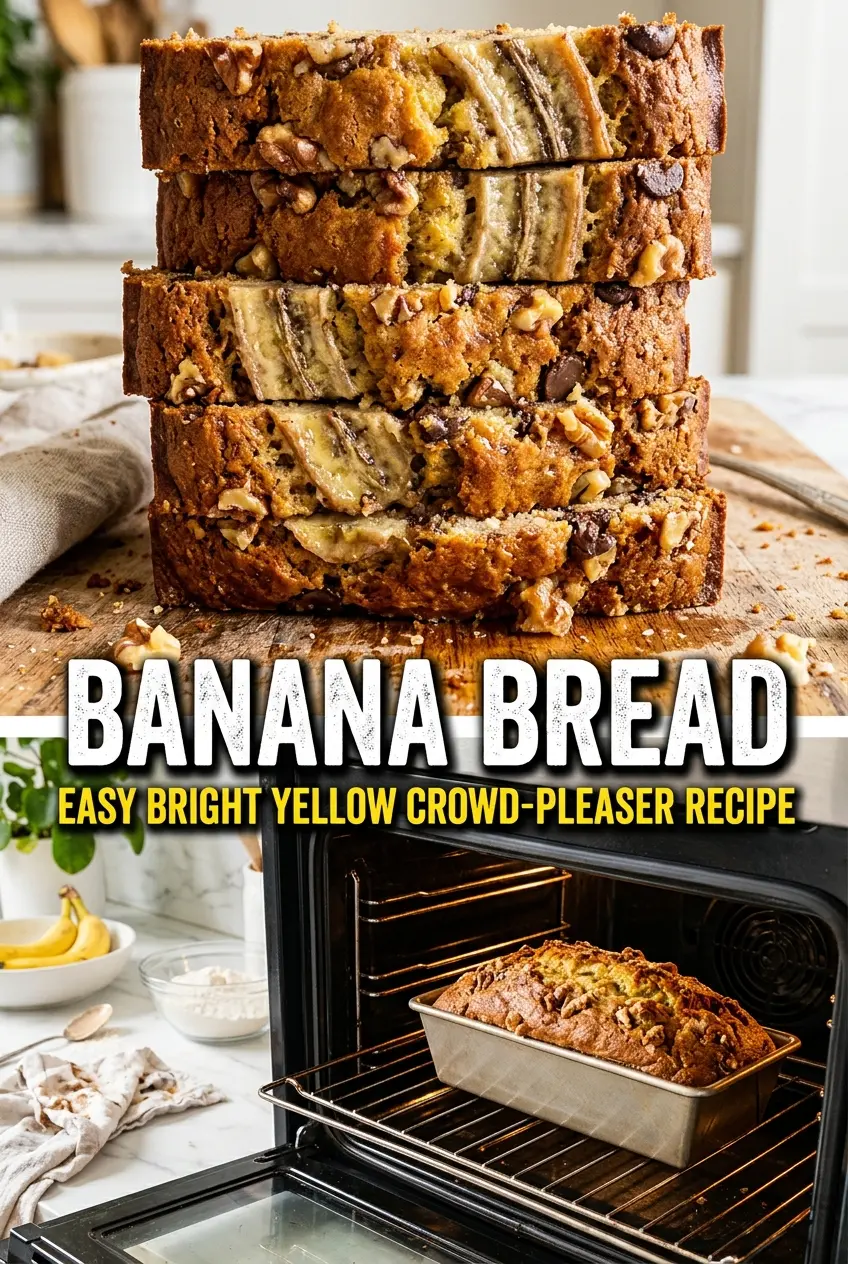
The loaf came out with a crisp top and a really soft center, and it stayed moist for days without getting dense. I used bananas that were almost black and the flavor was perfect.
Save this banana bread for the days when those overripe bananas need a purpose and you want a loaf with a caramelized crust and a soft, banana-packed crumb.
The Banana Ripeness That Decides Everything
The biggest mistake with banana bread is using bananas that aren’t ripe enough, then wondering why the loaf tastes flat. You want fruit that’s soft all the way through, deeply spotted, and almost collapsing in the skin. That ripeness changes the flavor more than any extra spoonful of sugar ever could.
The other issue is moisture balance. Bananas vary a lot in size and water content, so a loaf can swing from dry to gummy fast. If your bananas are especially large and loose, an extra tablespoon or two of flour can steady the batter. If they’re thick and dense, the standard amount usually works fine. The goal is a batter that looks lumpy and heavy, not pourable like cake batter.
What the Bananas, Fat, and Flour Are Each Doing
- Overripe bananas — These give you sweetness, moisture, and the signature banana flavor. Fresh bananas won’t do the same job. If you need to speed-ripen them, bake unpeeled bananas on a sheet pan at 300°F until the skins turn black and the fruit softens.
- Butter or neutral oil — Butter brings a richer, more baked flavor and a better crust. Oil gives you a slightly softer loaf that stays tender a little longer. Either works, but I reach for butter when I want that bakery-style top.
- All-purpose flour — This provides structure without turning the loaf bready and dense. Whole wheat flour can work for up to half the flour, but the crumb gets heavier. If you use it, add only enough to keep the batter from looking wet and slack.
- Eggs — They hold everything together and help the loaf rise evenly. Room-temperature eggs mix in more smoothly, but cold eggs won’t ruin the bread. The bigger issue is overbeating them, which can toughen the crumb.
Building the Batter Without Toughening It
Mashing the Bananas
Mash the bananas until mostly smooth, but leave a few small soft pieces behind. Those pieces melt into the loaf as it bakes and give you a better banana flavor in each slice. If you puree them completely, the batter can get looser than expected and the crumb turns a little tighter.
Mixing the Wet Ingredients
Stir the bananas together with the melted butter, sugar, eggs, and vanilla until just combined. The mixture should look glossy and thick. If the butter is still hot, it can start cooking the eggs, so let it cool a minute before it goes in.
Bringing in the Flour
Fold the flour mixture in gently and stop as soon as you stop seeing dry streaks. This is where banana bread turns chewy if you keep stirring out of habit. A few lumps are fine. Overmixing builds gluten, and gluten is what gives you a tough loaf instead of a tender one.
Baking Until the Center Sets
Pour the batter into the pan and bake until the top is deeply golden and a tester comes out with a few moist crumbs. Don’t chase a bone-dry skewer; banana bread finishes setting as it cools. If the top browns too fast before the center is done, tent it loosely with foil for the last part of the bake.
How to Adapt This Banana Bread for What’s in Your Kitchen
Dairy-Free Banana Bread
Use melted coconut oil or a neutral oil instead of butter. Coconut oil gives a faint coconut note, while neutral oil keeps the flavor more classic. The texture stays moist either way, though oil tends to make the loaf a little softer the next day.
Lower-Sugar Version
Cut the sugar back a bit if your bananas are extremely ripe, but don’t remove it entirely. Sugar isn’t just for sweetness here; it helps the crust caramelize and keeps the loaf tender. Go too low and the bread bakes up drier and less flavorful.
Gluten-Free Banana Bread
A good 1:1 gluten-free baking flour works better than trying to cobble together random starches. The loaf may need a few extra minutes in the oven, and it’s best to let it cool all the way before slicing so the crumb can set. Warm gluten-free banana bread often seems underbaked when it’s actually just delicate.
Storage and Reheating
- Refrigerator: Keep it wrapped or in an airtight container for up to 5 days. The crumb gets a little firmer in the fridge, but the flavor holds up well.
- Freezer: Banana bread freezes beautifully. Wrap slices individually, then store them in a freezer bag for up to 3 months.
- Reheating: Toast a slice or warm it in a low oven until just heated through. The most common mistake is blasting it in the microwave too long, which turns the crumb rubbery and makes the edges tough.
Answers to the Questions Worth Asking
Banana Bread
Ingredients
Equipment
Method
- Heat oven to 350°F and line a sheet pan for stability during baking. Set a loaf pan aside so it’s ready to fill.
- Mash ripe bananas with lemon juice until mostly smooth, leaving a few small lumps. This keeps the banana flavor bold and the crumb tender.
- Whisk oil and granulated sugar together until glossy, then whisk in eggs one at a time. Mix just until combined to avoid a heavy loaf.
- Stir vanilla extract into the wet mixture. Add the mashed bananas and fold until you see no dry streaks.
- Sprinkle flour, baking soda, fine salt, and ground cinnamon over the batter. Fold gently until the batter looks thick and smooth.
- Pour batter into a greased loaf pan and smooth the top. Bake at 350°F for 25-35 minutes, until the center springs back and a toothpick comes out with a few moist crumbs.
- Rest the loaf in the pan for 10-15 minutes to set the crumb before slicing. Let it cool further to keep the slices from tearing.