
Glossy Korean ground beef over hot rice is one of those bowls that disappears fast because it hits every note at once: savory, lightly sweet, a little spicy, and finished with sesame so it tastes finished, not rushed. The beef gets coated in a quick glaze instead of sitting in a puddle of sauce, so every bite clings to the rice instead of sliding around the bowl.
The trick is keeping the sauce balanced and the heat high enough to brown the beef before the glaze goes in. Ground beef throws off a lot of fat and moisture, and if you add the sauce too early, it steams instead of caramelizing. A short simmer at the end lets the soy, sugar, garlic, ginger, and gochujang tighten into something sticky and deeply savory.
Below, I’ve included the little details that matter most: how to keep the beef from turning greasy, why the vegetables stay raw and crisp, and the few swaps that still give you a great bowl when the fridge is missing one item.
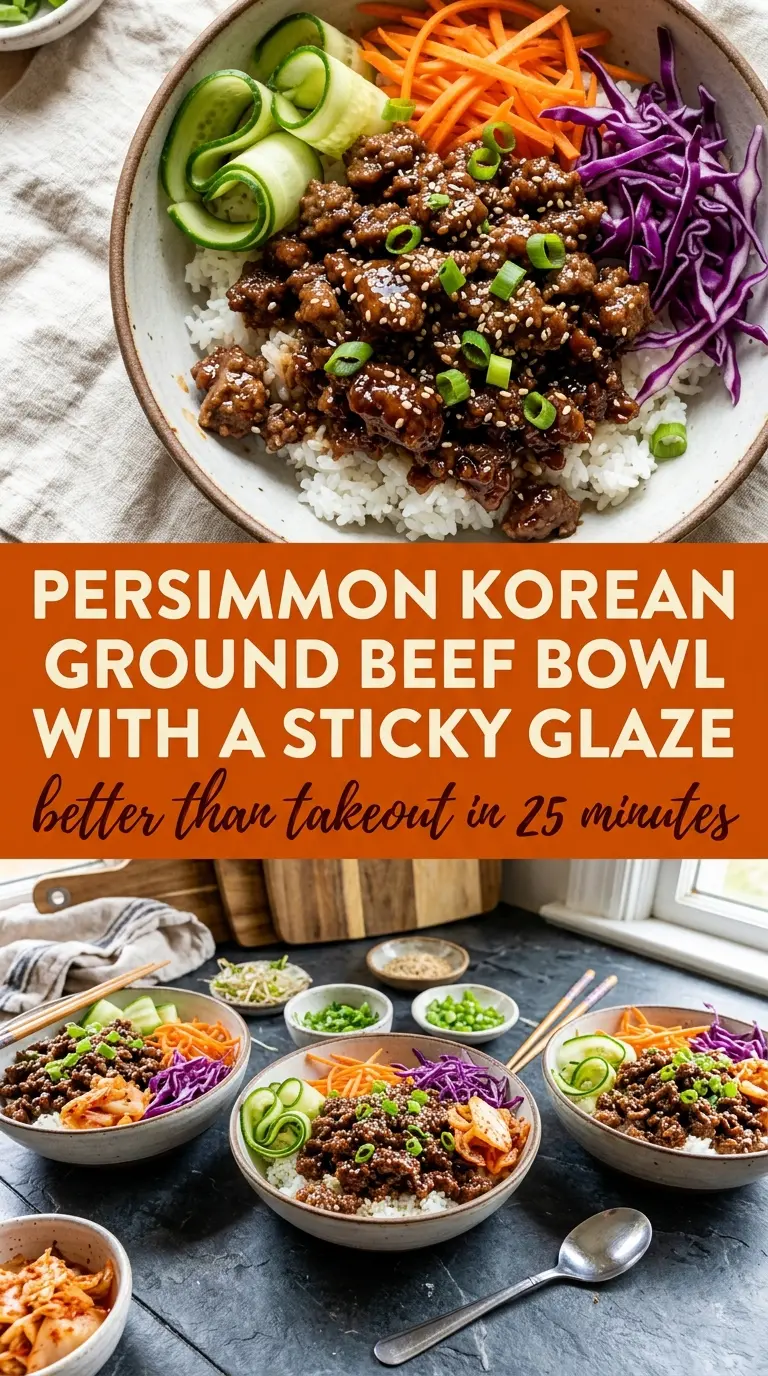
The sauce thickened up right on the beef and didn’t pool at the bottom of the bowl. I also loved the cucumber and cabbage on top because they kept every bite fresh instead of heavy.
Save this Korean ground beef bowl for nights when you want a sticky-sweet glaze, crisp vegetables, and dinner on the table in 25 minutes.
The Reason the Beef Needs to Brown Before the Sauce Goes In
Ground beef bowls go wrong when the pan gets crowded and the meat turns gray before the sauce ever has a chance to cling. What you want first is real browning. That means the beef has enough contact with the hot skillet to pick up a few dark edges and a savory smell before anything sweet is added.
Once the sauce hits the pan, the sugar and gochujang start working fast. If the beef is still wet, that glaze thins out and pools instead of coating. A medium-high skillet, broken-up meat, and a short final toss are what give you that sticky, takeout-style finish without overcooking the beef.
What Each Ingredient Is Actually Doing in This Dish
- Lean ground beef — Lean works best here because it gives you a cleaner glaze and less grease to drain away. If you use beef with a higher fat percentage, spoon off most of the excess before adding the sauce so it doesn’t turn slick.
- Gochujang — This is what gives the bowl its deep, savory heat. There isn’t a perfect substitute, but in a pinch you can use a mix of sriracha and a little extra soy sauce; the flavor will be brighter and less complex.
- Toasted sesame oil — Add it at the very end. It’s not a cooking oil here; it’s a finishing oil, and heat will flatten the aroma fast.
- Fresh ginger and garlic — Fresh makes the sauce taste sharp and alive. Powdered versions work in an emergency, but the bowl loses the punch that makes it taste like more than seasoned meat.
- Crisp vegetables — The cucumber, carrot, cabbage, and scallion are not garnish. They cut through the rich beef and give the bowl its crunch, which matters even more if you’re serving it over plain rice.
The 6 Minutes That Turn Seasoned Beef Into a Real Bowl
Build the sauce before the skillet heats
Mix the garlic, ginger, soy sauce, sugar, water, gochujang, and black pepper in a small bowl first. That keeps you from scrambling once the beef is browned, because the sauce needs to go in quickly while the meat is still hot. If the sugar settles at the bottom, stir again right before pouring it in so the glaze finishes evenly.
Brown the beef, don’t steam it
Heat the oil until it shimmers, then add the beef and break it into small pieces. Let it sit for a moment between stirs so it can actually brown instead of turning pale and damp. If there’s a lot of liquid in the pan, keep cooking until it evaporates; that dryness is what sets up the glaze.
Glaze the meat fast and finish off heat
Pour in the sauce and toss until every bit of beef looks lacquered, about a minute. You’re not reducing it into a thick syrup; you’re just letting it tighten enough to cling. Turn off the heat before adding sesame oil and sesame seeds so the sesame stays fragrant instead of cooked flat.
Assemble while the rice is hot
Divide the rice into bowls first, then spoon the beef over the top while it’s still glossy and steaming. Add the cucumber, carrot, cabbage, and scallion after that so the vegetables stay crisp and the bowl has contrast. If you pile everything together too early, the vegetables soften and the rice soaks up the sauce unevenly.
How to Adapt This Bowl Without Losing the Good Part
Make it gluten-free
Use tamari or a certified gluten-free soy sauce in place of regular soy sauce. The bowl still tastes balanced and savory, and you won’t lose any of the sticky glaze that makes it work.
Use ground turkey or chicken
Swap the beef for ground turkey or chicken if that’s what you have. Add an extra teaspoon of oil and don’t overcook it, because leaner meat dries out faster and needs the sauce to carry more of the flavor.
Go lower-carb with cauliflower rice
Serve the beef over hot cauliflower rice instead of white rice. You’ll get a lighter bowl with the same sauce and crunch, though it won’t soak up the glaze the way rice does, so serve it hot and eat it right away.
Storage and Reheating
- Refrigerator: Store the beef and rice in separate containers for up to 4 days. The vegetables are best kept fresh and sliced just before serving so they stay crisp.
- Freezer: The beef freezes well for up to 2 months. Freeze it without the vegetables; cucumbers and shredded cabbage lose their texture after thawing.
- Reheating: Warm the beef gently in a skillet or in short bursts in the microwave with a splash of water to loosen the glaze. The common mistake is blasting it until the sauce dries out and the meat turns tough.
Questions I Get Asked About This Recipe
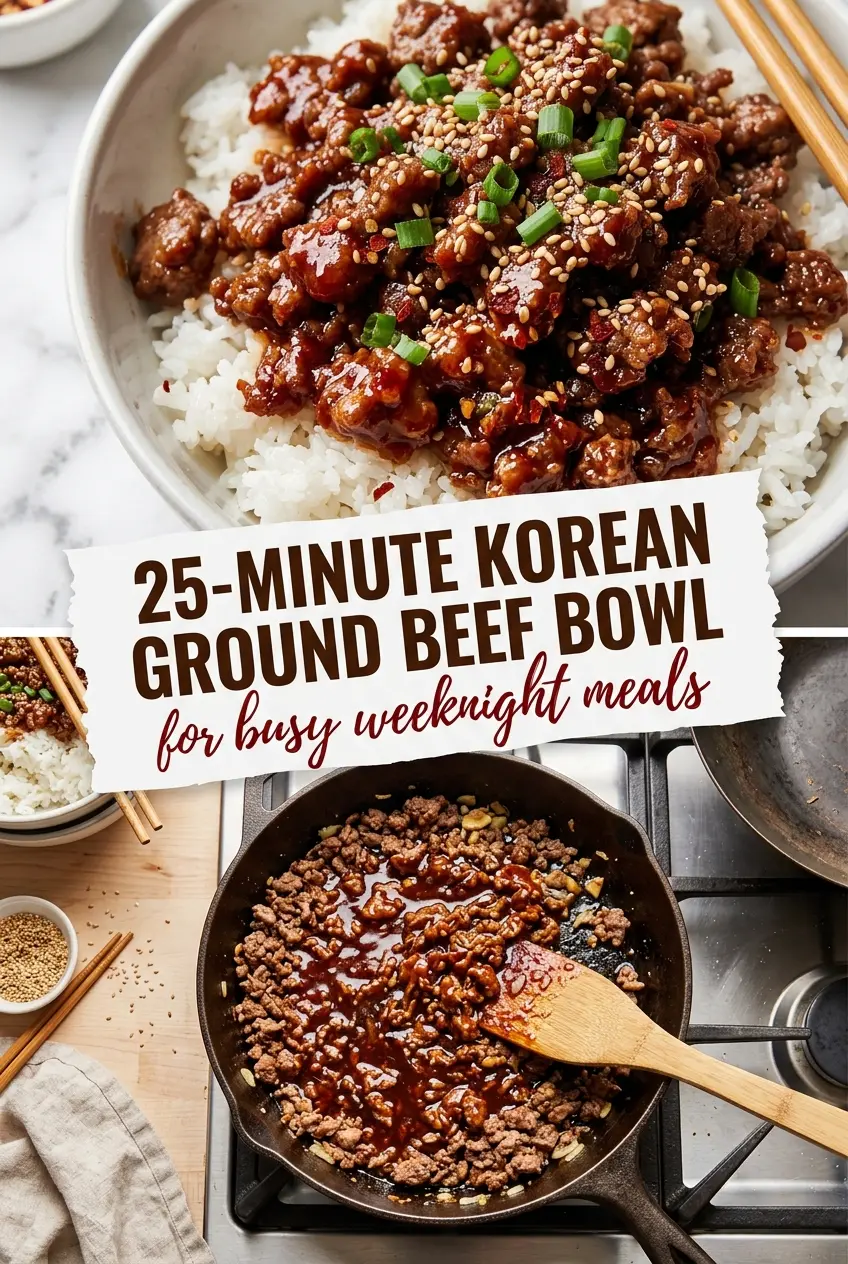
25-Minute Korean Ground Beef Bowl
Ingredients
Equipment
Method
- Stir together the minced garlic, minced fresh ginger, soy sauce, granulated sugar, water, gochujang, and black pepper in a small bowl until smooth and uniform, about 1 minute with no visible sugar pockets.
- Heat the neutral oil in a large skillet over medium-high heat, then add the lean ground beef and cook, breaking it into small pieces, until browned, about 6 minutes (glassy edges and no pink remain).
- Stir in the sauce and cook until it evenly coats the beef, about 1 minute, until the glaze looks glossy and clings to the meat.
- Turn off the heat and stir in the toasted sesame seeds and toasted sesame oil until fragrant and evenly mixed.
- Divide the hot cooked white rice among bowls, keeping the rice steaming for the best texture.
- Top each bowl with the glazed beef so the sauce gathers at the base of the rice.
- Divide the thinly sliced English cucumber, shredded carrot, shredded red cabbage, and thinly sliced scallion among the bowls, layering on top for a fresh crunch.