
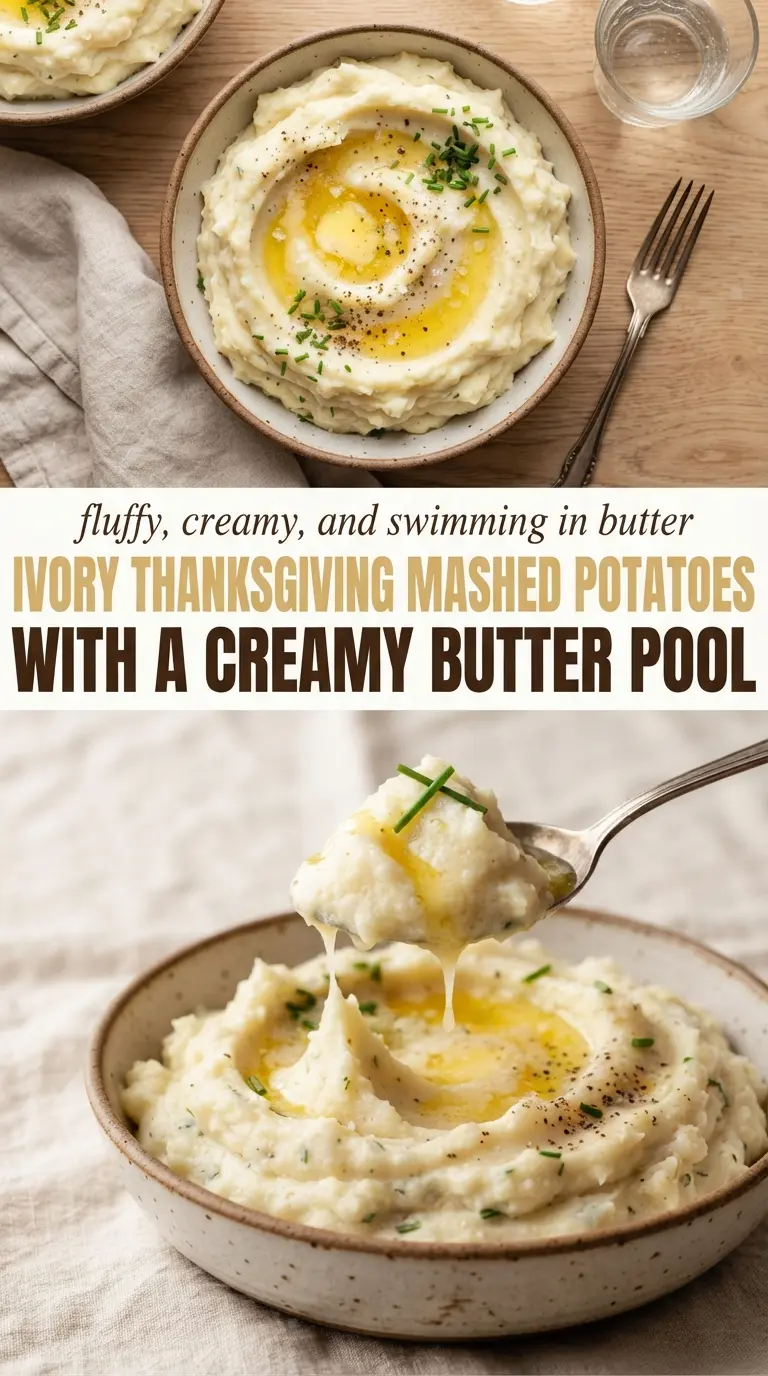
Fluffy mashed potatoes with roasted garlic and a glossy butter finish are the kind of side dish people spoon onto their plates first and go back for again. The texture matters here: light and creamy, not gluey or heavy, with enough body to hold a little pool of butter in the center. Keeping them warm in the slow cooker means they stay soft and spoonable instead of stiffening up while everything else comes together.
The roasted garlic does quiet work in the background. It softens the sharp edge you can get from raw garlic and folds into the potatoes without little harsh bites. Warm cream is another detail worth keeping: cold dairy can cool the potatoes down fast and make them feel dense before you’ve finished mashing. This version is built for a big table, but it still tastes like someone cared about the texture.
Below you’ll find the one step that keeps mashed potatoes fluffy instead of pasty, plus the best way to hold them for serving without drying them out. If you’ve ever had potatoes seize up while waiting for dinner, this method fixes that.
The potatoes stayed fluffy in the slow cooker for hours and the roasted garlic gave them such a mellow, rich flavor. I loved that I could finish the rest of dinner without rushing the mash.
Love these creamy slow cooker Thanksgiving mashed potatoes? Save them to Pinterest for the holiday table when you need a make-ahead side that stays fluffy and warm.
The Reason These Potatoes Stay Light Instead of Turning Gluey
The most common mistake with mashed potatoes is overworking them after the butter and cream go in. Once potatoes are cooked, the starches are tender and easy to turn gummy if you beat them too hard or too long. A masher gives you control. A mixer can push them past fluffy in a matter of seconds.
Draining matters just as much. If the potatoes go into the bowl still wet, that extra water turns the mash loose at first, then dull and heavy as it sits. Let the steam escape for a minute after draining, then mash while the potatoes are still hot enough to absorb the butter cleanly. That’s how you get a soft, rich texture instead of a wet one.
What Each Ingredient Is Actually Doing in This Dish
- Yukon Gold potatoes — These are the right potato for a silky mash because they’re naturally buttery and less starchy than Russets. Russets can work in a pinch, but they’ll taste drier and need a gentler hand so they don’t turn pasty.
- Roasted garlic — This gives you sweetness and depth without the bite of raw garlic. If you skip roasting, the flavor will be sharper and less rounded, which changes the whole feel of the dish.
- Unsalted butter — Butter coats the starch and gives the potatoes that glossy, rich body. Salted butter can be used, but unsalted gives you better control since the potatoes are already seasoned with salt.
- Warm heavy cream — Warm cream blends in smoothly and keeps the potatoes hot. Cold cream can cool everything down fast and make the mash tighten up before you’re done.
- Chives — They’re not just garnish. The fresh onion note cuts through the richness and keeps each bite from tasting flat.
The 20 Minutes That Matter Most
Boiling Until the Centers Collapse Cleanly
Start the potatoes in salted water and cook them until a fork slips through without resistance, but the cubes still hold their shape. If they’re undercooked, you’ll get little firm bits that never mash smoothly. If they’re overcooked and waterlogged, they start to fall apart in the pot and pick up too much moisture. Drain them well and let the steam rise off for a minute before you mash.
Mashing While the Potatoes Are Still Hot
Add the roasted garlic and butter first, then mash until the mixture looks mostly smooth. The heat from the potatoes melts the butter into every bite before the cream goes in. If you dump in everything at once, the butter can sit in streaks and the texture takes longer to come together. Stop as soon as the potatoes look fluffy and cohesive; keep going and they start to turn heavy.
Finishing With Warm Cream
Pour in the warm heavy cream a little at a time and stir until the potatoes look light and pillowy. This is the point where people usually overmix, especially if they want them extra smooth. Don’t chase a whipped texture. You want soft peaks and a creamy spoonable finish, not a paste.
Holding Them in the Slow Cooker
Move the potatoes to a slow cooker on warm and cover them until serving. Stir once or twice if they sit for a while, then add a small splash of cream if they start to tighten up. The mistake here is using low or high heat, which can dry the edges or create a crust on the bottom. Warm keeps them ready without cooking them further.
Three Ways to Adjust Them for Your Table
Make Them Dairy-Free
Swap the butter for a good dairy-free butter and use unsweetened oat milk or almond milk warmed before adding. The texture will still be creamy, but it won’t have quite the same richness or gloss as the original.
Use Russet Potatoes for a Fluffier, Drier Finish
Russets whip up lighter, but they also dry out faster and can go gluey if beaten too hard. If that’s what you have, mash them gently and add the cream a little at a time until they loosen up.
Stretch the Batch for a Bigger Crowd
You can scale this up without changing the method, but use a larger pot and give the potatoes room to boil evenly. If the slow cooker is packed too tightly, the center stays denser and the edges cool faster than you want.
Storage and Reheating
- Refrigerator: Store in an airtight container for up to 4 days. They’ll firm up as they chill, which is normal.
- Freezer: They can be frozen, but the texture gets a little grainier after thawing. For best results, freeze in a shallow container and thaw overnight in the fridge before reheating.
- Reheating: Reheat gently on the stovetop or in the slow cooker with a splash of cream or milk. High heat dries them out and can make the potatoes seize up before they warm through.
Answers to the Questions Worth Asking

Thanksgiving Mashed Potatoes
Ingredients
Equipment
Method
- Bring a Dutch oven of salted water to a boil and add the Yukon Gold potatoes; cook for 15 to 20 minutes until fork-tender. Visual cue: potatoes should yield easily with a fork with no hard centers.
- Drain the potatoes well, then mash with the roasted garlic and unsalted butter until smooth. Visual cue: the texture should look creamy and lump-free.
- Stir in warm heavy cream until the mashed potatoes turn fluffy, then season with salt and black pepper. Visual cue: the mash should look lighter in color and hold soft peaks.
- Transfer the mashed potatoes to a slow cooker set on warm and keep up to 3 hours. Visual cue: the surface should stay creamy and slightly glossy, not dry.
- Right before serving, add a pat of butter on top and sprinkle with fresh chives. Visual cue: you should see a small shiny butter pool and bright green flecks.