
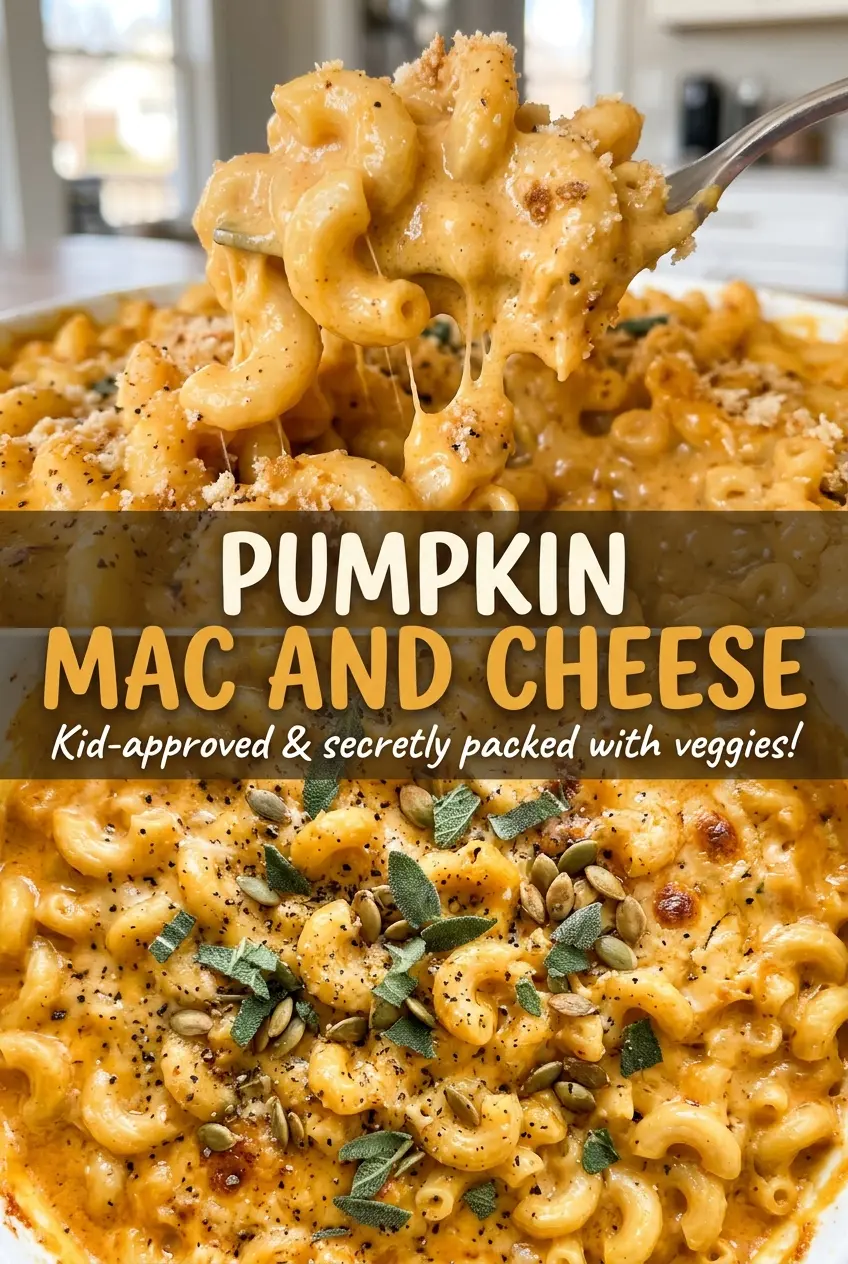
When the macaroni is drained and sits in the colander while the sauce comes together, it can look like it’s going to turn sticky and dry. I leave it unrinsed, though, because that thin coating of starch helps the pumpkin cheddar sauce hold on to every elbow. This stovetop pumpkin mac and cheese is creamy without needing a baking dish or a breadcrumb topping, and it’s ready as soon as the pasta meets the sauce.
The order matters: I thicken the milk with a quick butter-and-flour roux before stirring in the pumpkin. That gives the puree a smooth base instead of a thin, milky sauce. Sharp cheddar goes in after the pan comes off the heat, where it melts gradually into a silky finish. Pumpkin brings a gentle earthiness rather than a sweet, pie-like taste, and the dry mustard and spices keep the cheese front and center. The macaroni ends up coated in a warm orange sauce that clings instead of pooling at the bottom of the bowl.
Kitchen Note
Don’t rinse the macaroni after draining it. That little bit of surface starch helps the sauce cling, so the finished pasta feels coated rather than slick.
Save this pumpkin mac and cheese for a cozy stovetop dinner with a smooth cheddar sauce and a subtle pumpkin twist.
Why the Pumpkin Goes Into a Thickened Sauce, Not Straight Into the Milk
Pumpkin puree adds more than flavor. It also adds moisture and soft, fine solids, so stirring it into milk before the flour has thickened the base can leave the sauce thinner than you expect. Building the roux first gives the milk enough body to carry the puree and coat the pasta. You’re looking for a sauce that’s already thick enough to cling to a spoon before the pumpkin goes in.
There’s also a balance to keep in mind. Pumpkin has an earthy, mellow taste, and sharp cheddar brings the tang that keeps the finished dish firmly in savory territory. Dry mustard reinforces the cheese, while paprika, black pepper, and nutmeg round out the sauce without making it taste like pumpkin pie. The result should read as cheddar mac and cheese first, with pumpkin adding color and a little depth rather than taking over. Adding the cheddar off the heat helps preserve that smooth, creamy texture.
What the Pumpkin and Sharp Cheddar Each Bring to the Sauce
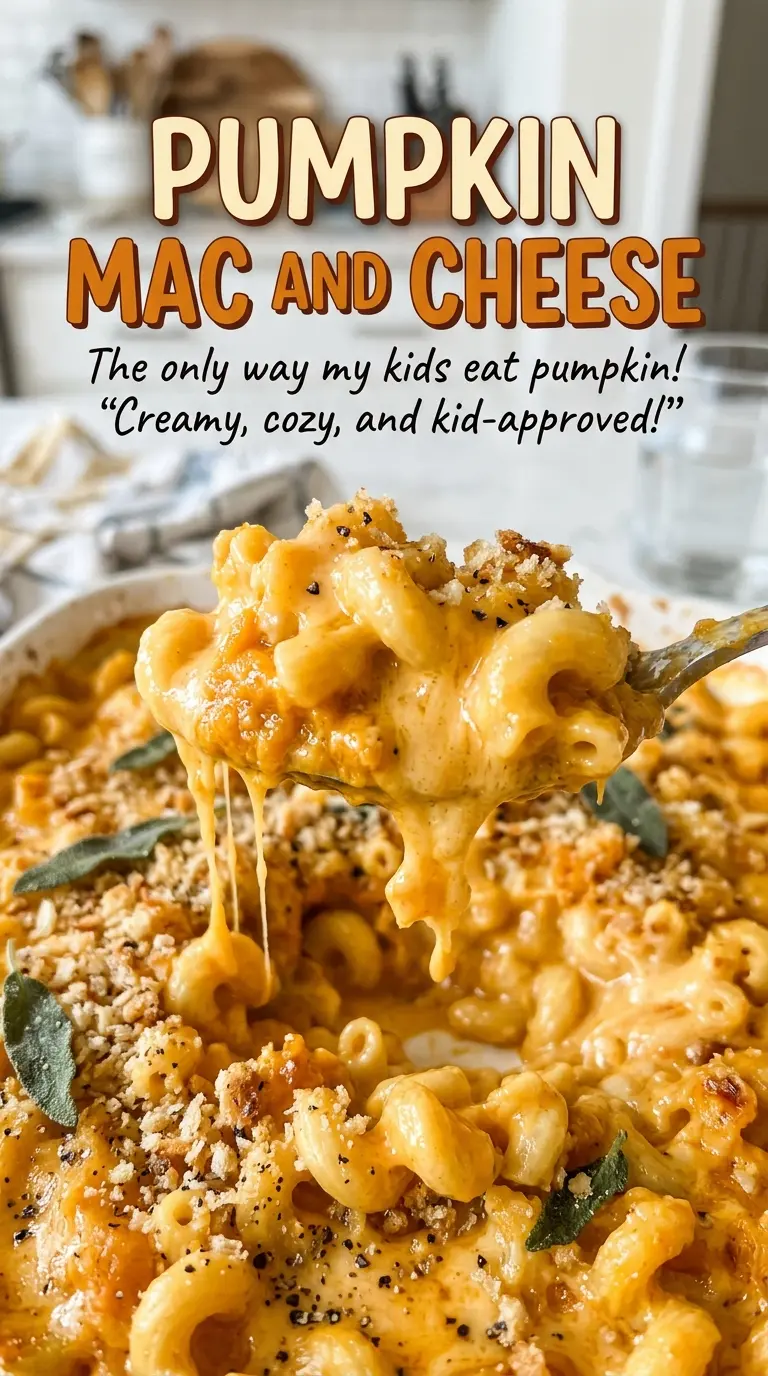
- Canned pumpkin puree — Choose plain pumpkin puree, not pumpkin pie filling, which is sweetened and already spiced. A standard grocery-store can works well; there’s no need for a specialty brand. Its soft texture blends into the sauce, bringing pumpkin color and earthiness without needing to roast or mash fresh squash.
- Sharp cheddar — Sharpness matters because the cheese has to stand up to the pumpkin and milk. Store-brand cheddar is fine; grate it fresh for a smoother melt, since packaged shredded cheese often has a coating that keeps the shreds from melting as evenly. A mild cheddar will make the sauce taste less tangy.
- Whole milk, butter, and flour — These build the creamy, spoon-coating base. The flour thickens the milk, while butter helps it cook into a smooth roux. Whole milk gives the sauce a richer body than a lower-fat milk would.
- Dry mustard and spices — Dry mustard adds a quiet sharpness that makes cheddar taste more pronounced. Paprika and black pepper bring gentle warmth, and the nutmeg gives the sauce a rounded finish. Measure these carefully; they should support the cheese, not cover it.
- Elbow macaroni — The curved shape catches sauce inside and out, which is why each bite stays well coated. Choose a pasta that cooks to al dente so it keeps its shape when stirred through the warm sauce.
Building the Sauce Before the Macaroni Goes In
Cook the Elbows Just to Al Dente
Bring 4 quarts of water to a boil in a 6-quart pot, then stir in the kosher salt. Add the macaroni and cook it according to the package directions, usually 7 to 9 minutes, until it’s tender but still has a little bite in the center. Start checking toward the lower end of the package range so it doesn’t soften too far. Drain the pasta and set it aside while you make the sauce.
Thicken the Milk With a Quick Roux
While the pasta cooks, melt the butter in a 3-quart saucepan over medium heat. Whisk in the flour and keep it moving for 1 minute; if you see dry flour pockets, press them into the butter with the whisk. Gradually whisk in the milk so the roux blends smoothly instead of forming lumps. Bring it to a gentle simmer and cook for 4 to 6 minutes, whisking often, until the sauce coats the back of a spoon.
Whisk in Pumpkin, Then Melt the Cheddar
Whisk the pumpkin puree, dry mustard, paprika, black pepper, and nutmeg into the thickened milk until the color is even. Once the spices are blended through, remove the saucepan from the heat. Add the freshly grated cheddar a handful at a time, stirring between additions so each portion melts before the next goes in. The sauce is ready when it looks smooth and no shreds remain.
Coat the Macaroni While the Sauce Is Warm
Add the drained macaroni to the saucepan and stir until every elbow is evenly coated. If a few pieces are stuck together, loosen them gently with the spoon as you stir rather than pressing hard and breaking the pasta. The sauce should cling to the elbows and settle into their curves. Serve while it’s warm and creamy.
Two Small Changes That Shift the Flavor or Make It Gluten-Free
Make a gluten-free batch
Replace the elbow macaroni with gluten-free elbow pasta and cook it according to its package directions. Use a measure-for-measure gluten-free flour blend in place of the all-purpose flour; the sauce may have a slightly different texture depending on the blend, but the same roux method works. Check that the mustard and spices are labeled gluten-free if that matters for your kitchen.
Leave out the nutmeg for a sharper finish
Omit the nutmeg if you prefer a more direct cheddar-and-mustard flavor. The pumpkin still gives the sauce its mellow earthiness, but you’ll lose the soft, warm note in the background. Keep the other seasonings as listed so the cheese remains balanced.
Storage and Reheating
- Refrigerator: Refrigerate leftovers in an airtight container within 2 hours and use within 3 to 4 days. The macaroni will absorb some sauce as it sits, so it’ll be firmer the next day.
- Freezer: Freeze in an airtight container for up to 2 months. Thaw overnight in the refrigerator; the cheese sauce may separate a little after freezing.
- Reheating: Warm leftovers gently in a saucepan with a small splash of whole milk, stirring often, until they reach 165°F. Avoid high heat, which can make the cheddar sauce oily.
Questions That Come Up When Making Pumpkin Mac and Cheese
Pumpkin Mac and Cheese
Ingredients
Equipment
Method
- Bring the water to a boil in a 6-quart pot.
- Stir in the kosher salt.
- Add the macaroni and cook according to the package directions until al dente, usually 7 to 9 minutes.
- Drain the macaroni and set it aside; do not rinse.
- While the pasta cooks, melt the butter in a 3-quart saucepan over medium heat.
- Whisk in the flour and cook for 1 minute, stirring constantly.
- Gradually whisk in the milk, bring the mixture to a gentle simmer, and cook for 4 to 6 minutes, whisking often, until it thickens enough to coat the back of a spoon.
- Whisk in the pumpkin puree, dry mustard, paprika, black pepper, and nutmeg.
- Remove the saucepan from the heat.
- Stir in the cheddar a handful at a time until melted and smooth.
- Add the drained macaroni to the cheese sauce and stir until evenly coated.