
Garlic parmesan roasted zucchini turns soft in the center, crisp at the edges, and just salty enough to keep people reaching for one more piece. The parmesan bakes into a thin, savory crust while the zucchini underneath stays tender instead of collapsing into a watery mess. It’s the kind of side dish that disappears faster than the main course when the oven is hot and dinner needs something green on the plate.
The trick is keeping the zucchini dry enough to roast instead of steam. A hot oven, a single layer on the pan, and enough space between the slices all matter here. Parmesan does the heavy lifting for flavor and texture, but it only works if the zucchini isn’t crowded or buried under too much oil. A light hand with the garlic also helps; minced garlic burns quickly at 425°F, so it needs to be mixed well with the oil and tucked onto the zucchini rather than left in clumps on the pan.
Below, I’m walking through the details that keep the slices from going limp, plus a few smart variations if you want to change the cheese, add heat, or work around what’s in your kitchen.
The zucchini stayed tender without getting watery, and the parmesan got those crispy little edges I was hoping for. I followed the timing exactly and it came out perfect with grilled chicken.
Crispy garlic parmesan zucchini for the nights when you want a fast side dish with golden edges and almost no cleanup.
The Reason Zucchini Turns Mushy Before It Browns
Zucchini has a lot of water in it, which is why it can go from promising to soggy in a matter of minutes. The mistake is usually piling the slices too close together or using too much oil. When the vegetables touch, they trap steam, and steam is the enemy of crisp edges. A hot oven helps, but space on the pan is what gives you that roasted texture.
Parmesan helps here because it dries and browns before the zucchini fully collapses. You want a light, even layer, not a thick blanket that melts into one greasy sheet. If your slices are cut too thin, they’ll shrivel before they get any color; if they’re too thick, they can stay soft in the middle with no real roast on top. Medium rounds give you the best balance of tenderness and structure.
What Each Ingredient Is Actually Doing in This Dish
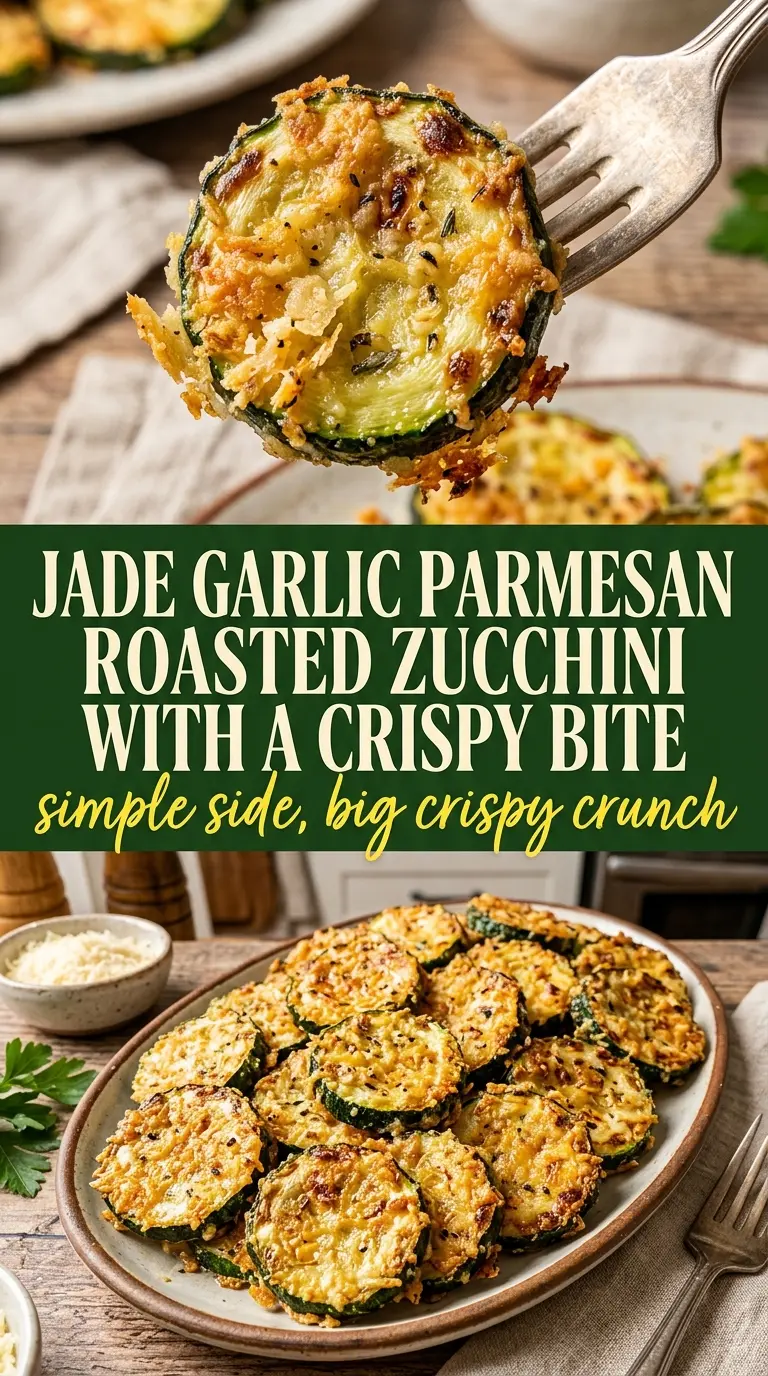
- Zucchini: Fresh, firm zucchini with small to medium seeds works best. Oversized zucchini hold more water and tend to get spongy, so use those for soup or shred them instead.
- Olive oil: Just enough oil helps the zucchini roast and keeps the garlic from burning too quickly. Any neutral oil works in a pinch, but olive oil gives the best flavor with parmesan.
- Parmesan: Grated parmesan melts into a crisp, salty crust. Finely grated cheese gives the best coverage; pre-shredded parmesan can work, but it doesn’t always melt as evenly because of the anti-caking agents.
- Garlic: Fresh minced garlic gives the dish its sharp, savory bite. Garlic powder can stand in if needed, but it won’t have the same punch or aroma.
How to Roast It So the Edges Go Golden, Not Pale
Prepping the Pan and the Zucchini
Heat the oven to 425°F and line a baking sheet with parchment paper. That high heat matters because zucchini needs quick evaporation, not a slow bake. Slice the zucchini into even rounds so they roast at the same pace; uneven slices lead to some pieces turning soft while others still look underdone. Toss them with the oil, garlic, seasoning, salt, and pepper until every slice has a thin coating, not a slick one.
Building the Crust
Spread the zucchini in a single layer with space around each piece. Crowding the pan is the fastest way to make them steam. Sprinkle the parmesan over the top so it lands on the exposed surfaces instead of clumping in the bowl. If the cheese is piled too thickly, it can brown before the zucchini underneath is ready.
Roasting Until the Edges Crisp
Roast for 18 to 20 minutes, then check for a deep golden color around the edges and lightly browned spots on the parmesan. The slices should be tender when pierced, but they should still hold their shape. If the cheese looks pale, give the pan another couple of minutes. If the edges are getting too dark before the center is tender, the zucchini was probably cut too thick or the oven runs hot, so pull the pan early next time.
Three Smart Ways to Change the Finish
Make It Dairy-Free
Skip the parmesan and use a dairy-free parmesan-style topping that browns well, or use a mix of nutritional yeast and fine breadcrumbs if you’re not avoiding gluten. You’ll lose some of the salty sharpness parmesan gives, so season the zucchini a little more generously to compensate.
Add a Little Heat
A pinch of red pepper flakes tossed in with the oil gives the zucchini a light kick without changing the texture. If you add too much, the garlic can get overshadowed, so start small and build from there.
Use a Different Cheese
Asiago or finely grated pecorino both bring a sharper bite and crisp nicely. Mozzarella won’t give you the same result here because it melts soft instead of forming a dry, savory crust.
Storage and Reheating
- Refrigerator: Store leftovers in an airtight container for up to 3 days. The zucchini softens as it sits, and the crust loses some of its crispness.
- Freezer: I don’t recommend freezing this one. Zucchini turns watery after thawing, and the parmesan coating won’t recover its texture.
- Reheating: Warm leftovers on a baking sheet in a 400°F oven for 6 to 8 minutes. The microwave makes them limp, which is the fastest way to lose the roasted texture you worked for.
Answers to the Questions Worth Asking
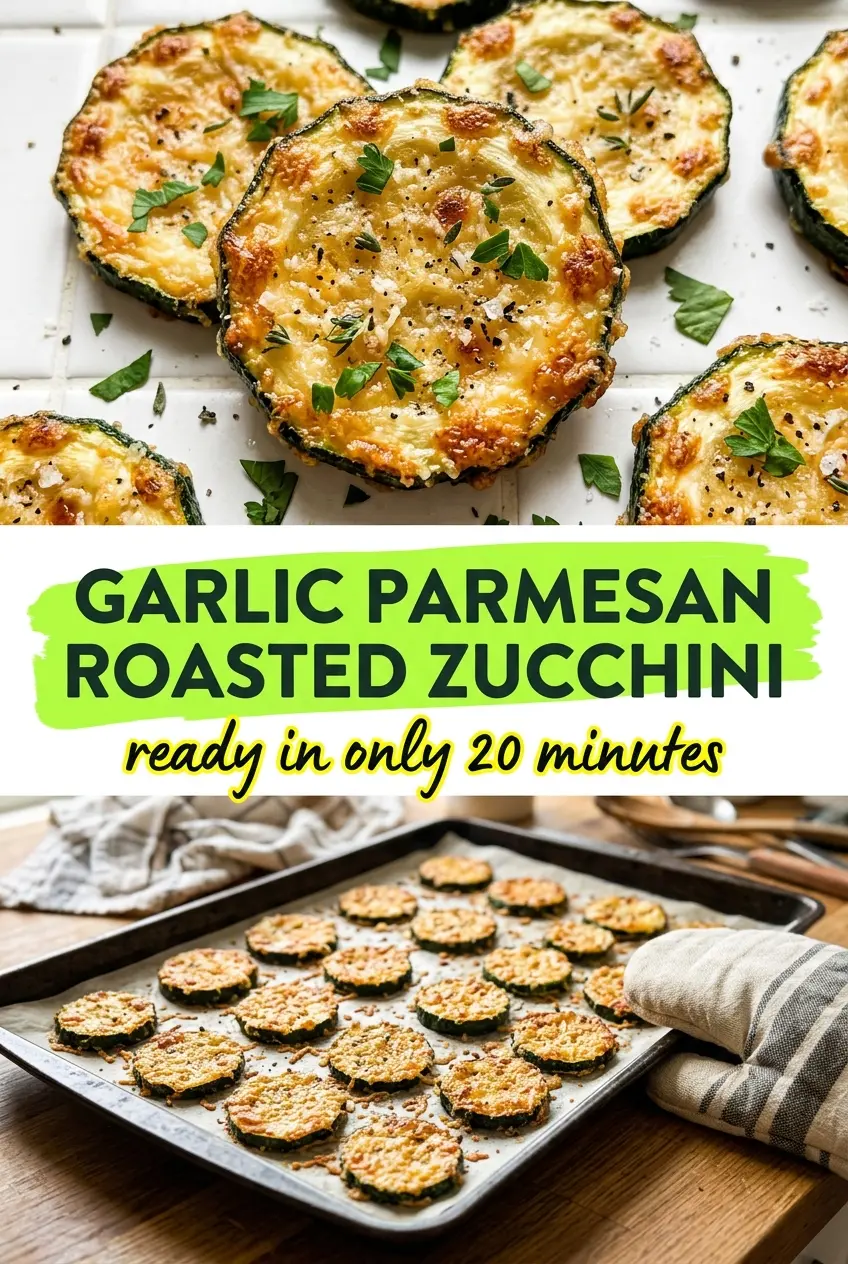
Garlic Parmesan Roasted Zucchini
Ingredients
Equipment
Method
- Preheat the oven to 425°F and line a baking sheet with parchment paper.
- Toss zucchini slices with olive oil, garlic, Italian seasoning, salt, and pepper until evenly coated.
- Arrange zucchini in a single layer and sprinkle generously with parmesan.
- Roast for 18–20 minutes at 425°F until golden and crisp at the edges, with visible browning on top.
- Serve warm so the parmesan crust stays crackly.