
Crispy ravioli turns into something special the second those golden edges hit a sharp lemon butter sauce. You get a crackly bite first, then the filling and a glossy coating of parmesan and basil that clings instead of sliding off. It eats like a restaurant pasta, but the pan tells you exactly when it’s ready, which is why this version earns a repeat spot.
The trick is keeping the ravioli crisp before it meets the sauce. Pan-fry them in a thin layer of olive oil until both sides are deeply golden, then build the lemon butter in a separate skillet so the sauce stays bright and loose. A splash of pasta water helps the butter and lemon come together without turning greasy, and the parmesan finishes it with a little body.
Below, you’ll find the small timing details that keep the ravioli from softening too soon, plus a few ways to adapt the dish if you want to stretch it into a bigger meal or switch up the filling.
The ravioli stayed crisp even after tossing, and the lemon butter tightened up just enough to coat everything instead of pooling in the pan. I added extra basil at the end and my husband kept stealing pieces straight from the skillet.
Love the crispy ravioli edges and lemon parmesan butter? Save this one for the nights when you want a fast pasta with a little crunch.
The Crisping Step That Keeps Ravioli From Going Soft
The mistake with fried ravioli is treating the sauce and the frying like one job. Once ravioli goes into a wet sauce, the coating softens fast, and the whole point of the dish disappears. Crisp it first until the surfaces are deeply golden and a little blistered, then move it out of the pan and let the sauce happen separately.
That separation matters because ravioli cooks quickly. You’re not trying to cook the pasta from scratch here; you’re heating it through and building texture. If the ravioli is fresh, it needs only a couple of minutes per side. If it’s frozen, give it a little more time and keep the heat at medium so the outside doesn’t burn before the center warms.
- Fresh ravioli — Works best here because it cooks quickly and still gets a tender center after frying. Dry them well before they hit the oil or the moisture will spit and slow the browning.
- Butter — This is the sauce’s backbone, so use real butter. The flavor is cleaner and the sauce emulsifies better than with a spread.
- Lemon — Fresh juice and zest matter. Bottled juice tastes flat and can make the sauce harsh instead of bright.
- Parmesan — Grate it finely so it melts into the butter instead of sitting in clumps. Pre-grated cheese often has anti-caking agents that keep it from dissolving smoothly.
- Fresh basil — Add it at the end for a clean herbal finish. Dried basil won’t give you the same lift in a dish this quick.
What Each Ingredient Is Actually Doing in This Dish
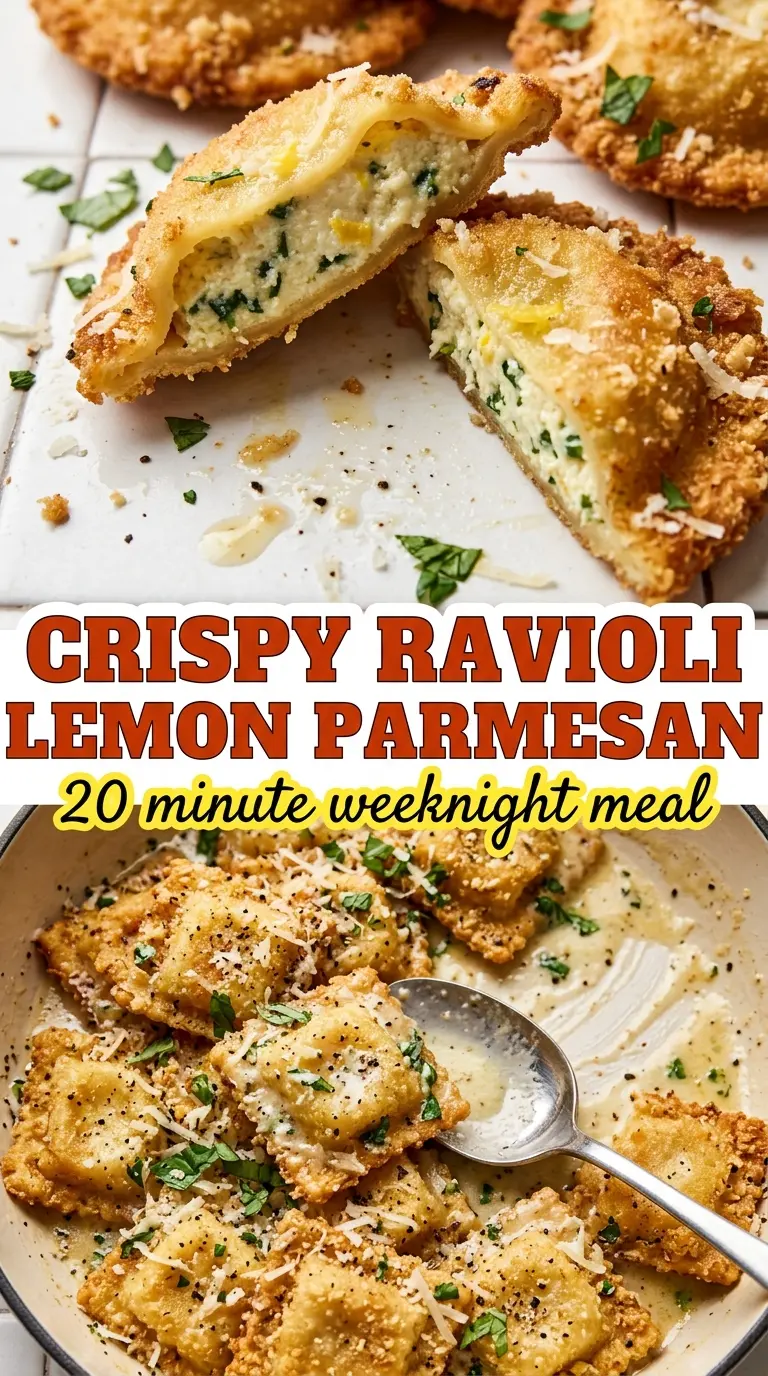
- Cheese ravioli — This is the main event, so choose a filling you’d happily eat on its own. Cheese ravioli gives you a creamy center that plays well with the sharp sauce; meat-filled ravioli also works, but the result is heavier.
- Olive oil — You only need enough to coat the pan and encourage browning. Extra-virgin is fine here because you’re not taking it to a smoking-hot sear.
- Butter — The sauce should taste round and silky, not heavy. If you want a deeper nutty note, let it foam and just start to brown before adding the lemon.
- Lemon juice and zest — The zest carries the perfume; the juice brings the bite. Use both, and add the juice off the hottest part of the burner so the butter doesn’t split.
- Pasta water — This is what helps the sauce cling. A splash is enough; too much and you’ll thin out the butter into a puddle.
- Parmesan — Buy a wedge and grate it yourself if you can. It melts smoother and gives you that salty, nutty finish instead of a dusty top layer.
- Basil — Tear it or slice it right before serving. That keeps the flavor fresh and keeps the leaves from bruising into dark ribbons.
Frying the Ravioli, Then Building the Sauce Behind It
Get the Ravioli Dry and Golden
Lay the ravioli in a single layer and pat off any visible moisture before it goes into the pan. Moisture is what keeps the surfaces from crisping, and it can also make the oil splatter. Fry until the bottoms are a deep golden color, then turn each piece and cook the second side until it matches. If the heat is too high, the outside will darken before the filling warms through.
Pull the Sauce Together Off to the Side
Melt the butter in a separate skillet so you can control the heat without risking the ravioli. Add the lemon zest first, then the juice and a splash of pasta water, and swirl until the sauce turns glossy and slightly thickened. If it looks greasy, the pan was too hot; move it off the burner for a few seconds and whisk in another teaspoon of pasta water.
Toss Fast and Serve Right Away
Return the crispy ravioli to the sauce and toss just long enough to coat the surfaces. You want the sauce to cling in a thin sheen, not soak into the crust. Finish with parmesan and basil immediately, while the edges are still crisp and the sauce is hot enough to melt the cheese on contact.
How to Adapt This for Different Kitchens and Different Fills
Gluten-Free Ravioli Swap
Use gluten-free ravioli with a sturdy filling and handle it gently, since these pasta sheets can split faster in the pan. Drying them well matters even more here, because excess moisture makes the exterior more fragile before it browns.
Dairy-Free Version
Swap the butter for a plant-based butter that browns well and use a dairy-free ravioli filling if needed. You’ll lose some of parmesan’s sharpness, so finish with a little extra lemon zest and a pinch of salt to bring the sauce back into focus.
Make It Heartier for Dinner
Add sautéed spinach, peas, or cooked asparagus tips at the end of the sauce step. That gives you a little more volume without losing the crisp ravioli texture, and the vegetables pick up the lemon butter instead of watering it down.
Storage and Reheating
- Refrigerator: Store leftovers in an airtight container for up to 2 days. The ravioli will soften, but the flavor holds up.
- Freezer: I don’t recommend freezing the finished dish. The fried coating and butter sauce both lose their best texture after thawing.
- Reheating: Warm leftovers in a skillet over low heat with a small splash of water or butter. Microwaving turns the crispy edges soft fast, which is the one thing this dish depends on.
Questions I Get Asked About This Recipe
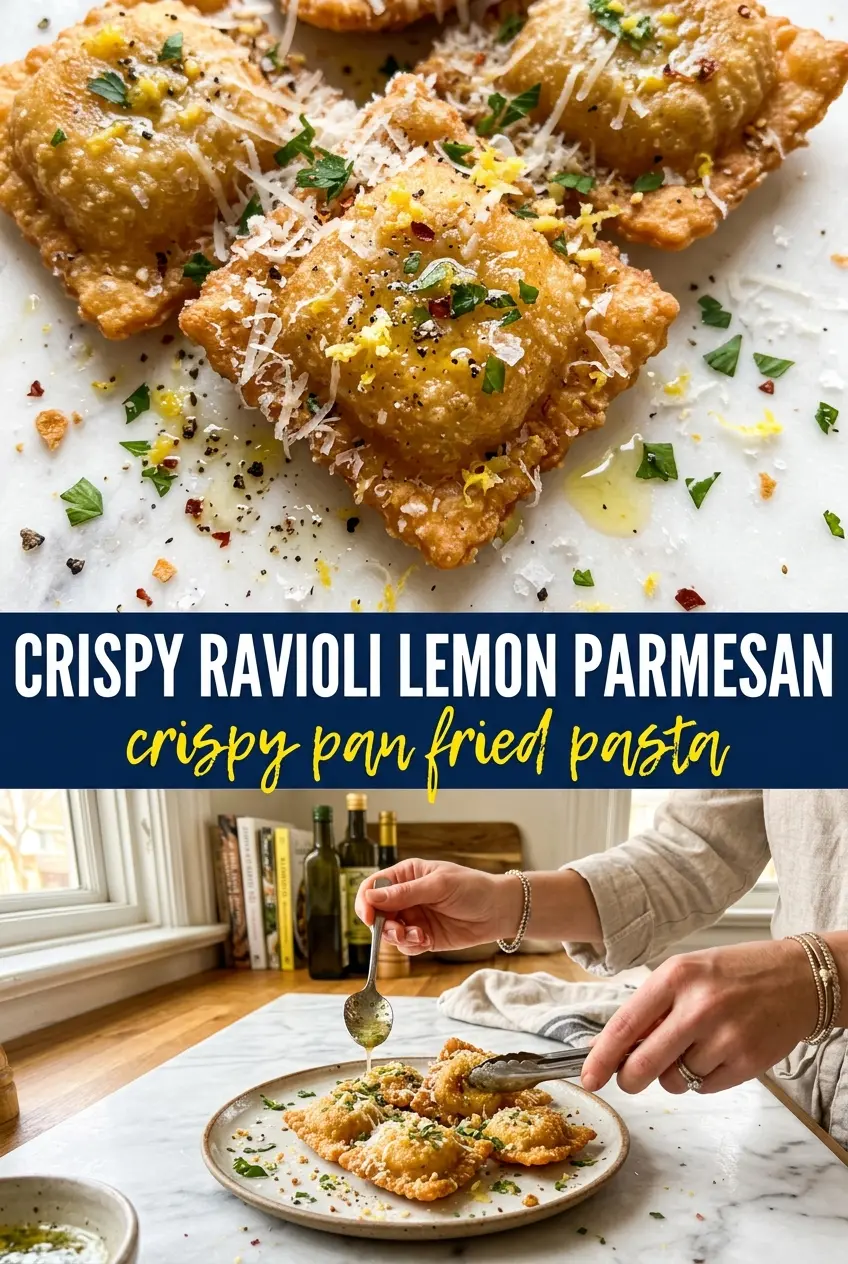
Crispy Ravioli in Lemon Parmesan Butter
Ingredients
Equipment
Method
- Heat cast iron skillet over medium-high heat and add olive oil for crisping; pan-fry cheese ravioli until golden and crispy on both sides, about 3–5 minutes per side, shaking once for even browning.
- Transfer crispy ravioli to a sheet pan and let them sit 1 minute so the crust stays crisp.
- Melt butter in a separate skillet over medium heat, 1–2 minutes, until fully melted with a light foam.
- Add lemon juice, zest, and a splash of pasta water; stir for 30–45 seconds until the sauce looks slightly glossy.
- Add crispy ravioli to the lemon butter sauce and toss gently until coated, 1–2 minutes, keeping the edges intact.
- Top with parmesan and fresh basil, then serve immediately while the ravioli edges are still crisp.