
Mashed potatoes are a classic comfort food that everyone seems to love. Creamy, smooth, and buttery, they’re made from simple ingredients like potatoes, butter, milk, and a little salt. The best part is how soft and fluffy they become after a good mash, making each bite feel like a warm hug. Whether you’re making them for a holiday dinner or a simple weeknight meal, mashed potatoes always hit the spot.
I like to cook my potatoes just right—not too soft or too firm—to get that perfect texture. I usually use Yukon Gold potatoes because they mash up nicely and have a buttery flavor all on their own. A little trick I swear by is warming the milk before mixing it in; it helps keep the potatoes nice and creamy without cooling everything down.
Mashed potatoes go great with just about anything, from roasted chicken to gravy-covered meatloaf. I love serving them with a sprinkle of fresh chives or a little bit of garlic for extra flavor. They’re also a great side to have on hand because they warm up well the next day, making leftovers just as delicious. For me, mashed potatoes are more than a side dish—they’re a little piece of home on the plate.
Key Ingredients & Substitutions
Potatoes: Yukon Gold and Russet potatoes are great choices. Yukon Golds give a creamy texture and buttery flavor, while Russets give fluffier mash. If you can’t find these, red potatoes work but are a bit waxier.
Milk: Whole milk adds creaminess, but you can swap with half-and-half, cream, or any plant-based milk like oat or almond for a dairy-free option.
Butter: Butter helps give richness and smoothness. If needed, olive oil or vegan butter are good alternatives, especially for dairy-free diets.
Seasoning: Salt and pepper are essential to bring out flavor. Fresh parsley adds a nice fresh note on top but can be skipped or replaced with chives or thyme.
How Do You Get Creamy, Lump-Free Mashed Potatoes?
Mashed potatoes can be tricky if they end up gluey or lumpy. Here’s what works for me:
- Start by boiling potatoes in cold water to cook evenly.
- Drain completely, then return potatoes to the hot pot for a minute to dry out, which helps keep mash fluffy.
- Use a potato masher or ricer for the smoothest texture. Avoid over-mixing with electric beaters as this can make potatoes gummy.
- Warm the milk and butter before adding. Cold liquids can cool the potatoes and make them less creamy.
- Add milk and butter slowly to control texture—stop when you reach your perfect creaminess.
Equipment You’ll Need
- Large pot – I recommend a big enough one to boil all the potatoes evenly without crowding.
- Colander – makes draining the potatoes quick and easy.
- Potato masher or ricer – helps you mash the potatoes smoothly without lumps.
- Measuring cups and spoons – for warming the milk and measuring ingredients accurately.
- Small saucepan or microwave-safe bowl – to warm the milk before mixing.
- Serving bowl – a nice presentation for the finished mashed potatoes.
Flavor Variations & Add-Ins
- Garlic mashed potatoes: Sauté a few cloves of garlic and mix in for a fragrant twist.
- Cheesy potatoes: Fold in shredded cheddar or Parmesan for a cheesy boost.
- Herb flavor: Add chopped fresh rosemary, thyme, or chives to brighten the dish.
- Crunchy topping: Top with crispy bacon bits or fried onions for extra texture.
Mashed Potatoes Recipe
Ingredients You’ll Need:
Main Ingredients:
- 2 pounds Yukon Gold or Russet potatoes, peeled and cut into chunks
- 1/2 cup whole milk, warmed
- 4 tablespoons unsalted butter, plus extra for serving
- Salt, to taste
- Freshly ground black pepper, to taste
- Fresh parsley, chopped (optional, for garnish)
How Much Time Will You Need?
This recipe takes about 30 minutes in total. You’ll spend about 5-10 minutes preparing the potatoes, 15-20 minutes boiling, and a few minutes mashing and mixing in the butter and milk. It’s a simple and quick side dish perfect for any meal.
Step-by-Step Instructions:
1. Cook the Potatoes:
Place the peeled and cut potatoes in a large pot. Cover them with cold water by about an inch and add a pinch of salt. Bring the water to a boil over high heat, then reduce to medium heat and simmer until potatoes are very tender, about 15-20 minutes.
2. Drain and Dry:
Drain the potatoes well using a colander, then return them to the pot. Place the pot back on low heat for 1-2 minutes, stirring occasionally to dry out the potatoes slightly. This helps keep the mash fluffy.
3. Mash and Add Butter & Milk:
Remove the pot from heat. Use a potato masher or ricer to mash the potatoes until smooth and free of lumps. Warm the milk in a small saucepan or microwave until hot (but not boiling). Stir the butter into the warm milk until melted and combined.
4. Mix and Season:
Gradually mix the warm milk and butter into the mashed potatoes until you reach your preferred creamy consistency. Season with salt and freshly ground black pepper to taste, stirring well to combine.
5. Serve:
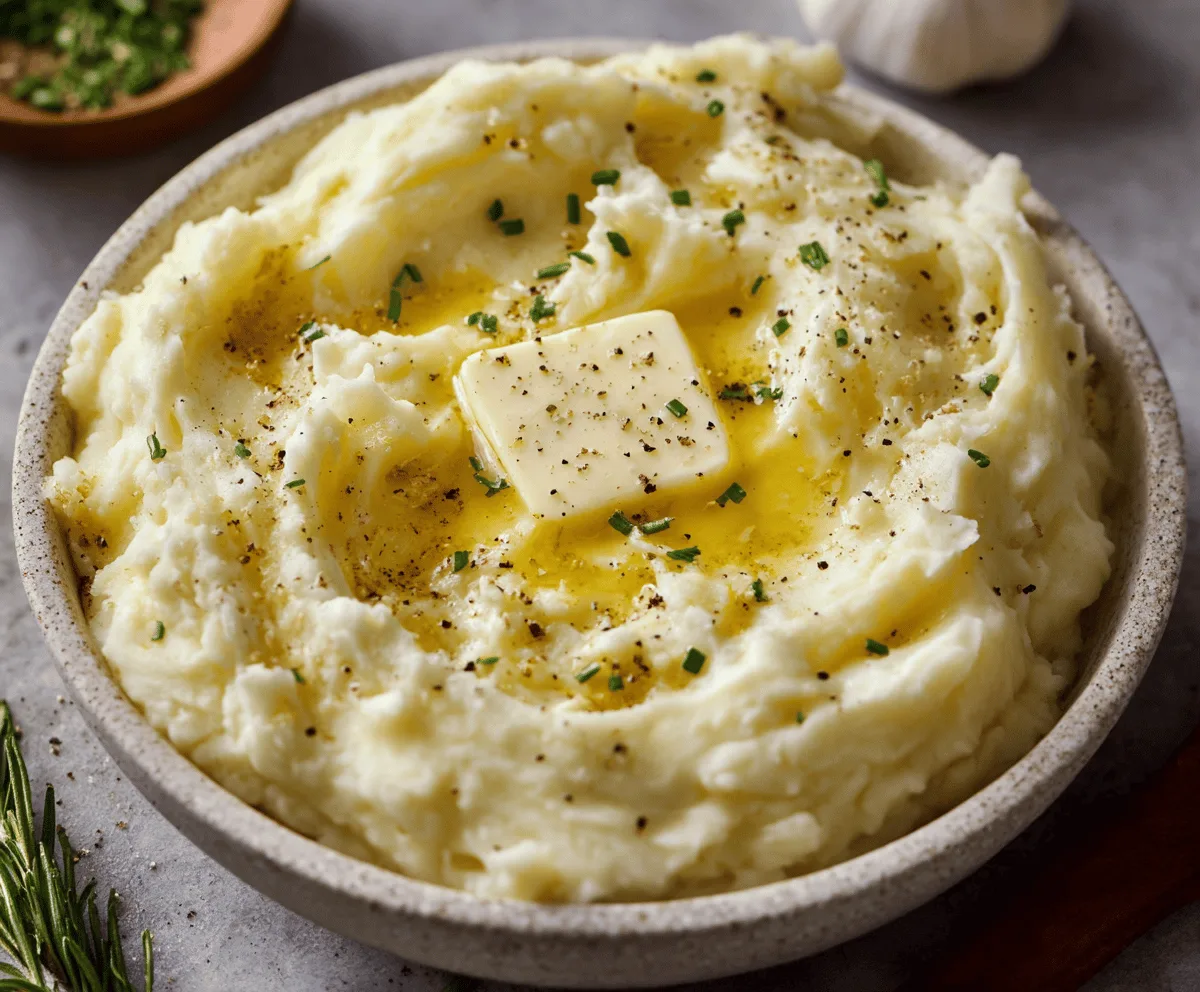
Transfer the mashed potatoes to a serving bowl. Add a pat of butter on top to melt for extra richness. Sprinkle with chopped fresh parsley if you like. Serve immediately and enjoy your delicious, creamy mashed potatoes!
Can I Use Frozen Potatoes for Mashed Potatoes?
It’s best to use fresh potatoes for the creamiest texture. If you have frozen cooked potatoes, thaw them completely and warm gently before mashing, but they might be a bit watery.
How Can I Make Mashed Potatoes Dairy-Free?
Simply substitute the milk with a plant-based milk like almond or oat milk, and replace butter with vegan butter or olive oil. Warm these substitutes before mixing in for the best texture.
What’s the Best Way to Store Leftover Mashed Potatoes?
Let the mashed potatoes cool, then store in an airtight container in the fridge for up to 3 days. Reheat on the stove with a splash of milk or butter to restore creaminess.
Can I Prepare Mashed Potatoes Ahead of Time?
Yes! You can prepare and mash the potatoes a day ahead, then cover and refrigerate. Reheat gently on the stove or microwave, stirring in a bit of warmed milk or butter to refresh the texture before serving.